
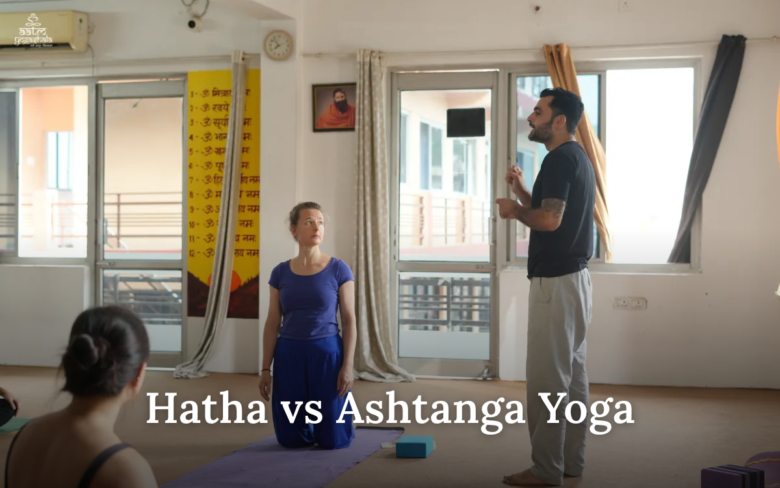
Hatha vs Ashtanga Yoga at a Glance Understanding the hatha yoga vs ashtanga yoga difference requires examining posture duration, respiratory regulation, and physiological intent. While both traditions originate from authentic Indian Vedic science, they direct the human nervous system through contrasting mechanical pathways. Classical Hatha yoga emphasizes static postural holds, joint stabilization, and conscious breath …
Yoga is much more than physical exercise. It is a complete system for achieving balance in the body, mind, and spirit. Originating in ancient India thousands of years ago, yoga has evolved into various traditions that guide practitioners toward better health, inner peace, and self-realization. Today, millions of people travel to India every year to …
Moon cycles have been observed by our ancestors for a variety of reasons—such as planting seeds at the right time, performing rituals and ceremonies, and aligning activities with specific phases of the moon. Most indigenous and ancient cultures, believed that each phase of the moon represented a specific archetype, and developed rituals and customs aligned …
Vinyasa or flow yoga is one of the most widespread types of yoga nowadays, and it might appear frightening to new members of the fitness field. Vinyasa style is distinguished by a flowing movement of the poses and is likened to a dance or tai chi. The transitions and poses are connected with the breath, …
What is Brahmacharya in English? Brahmacharya (ब्रह्मचर्य) translates literally in English to “walking in divine consciousness” or “conduct aligned with Brahman”. While commonly translated as celibacy, in classical yogic philosophy it represents the fourth Yama (ethical restraint) of Patanjali’s Eight Limbs of Yoga, meaning the conscious management, preservation, and redirection of mental, physical, and sensory …
The ashtanga yoga chant at the start and end of every practice allows us to concentrate on the moment in our lives. This can be enhanced by reciting and memorizing them, and also learning the meaning behind each mantra. Ashtanga Yoga’s opening mantra is a sign of respect towards what the teachers teach us and …
Kaiut Yoga is a style of therapeutic yoga developed by Francisco Kaiut. Kaiut yoga contrasts to other kinds of yoga, which focus more on improving flexibility or strength and the direction is put at the level of joints and the nervous system through acting in long-held, simple poses. It is particularly useful to individuals experiencing …
Thoughts, feelings and energy are related to your subconscious mind. But do you know how does the subconscious work? When we encounter an issue, we view it in two perspectives: one is through our conscious thinking capacity and the other the subconscious capacity. Nothing now remains but to adopt a more powerful point of view. …
While “asana” refers to a stable, safe function for meditation, “exercise” is a more popular movement for the purpose of enhancing energy and endurance. The major variations between exercising and asana may be determined in their methods and physiological consequences. Asana is a deliberate, sluggish, fluid movement exercise emphasising breath management within a meditative thought-frame, …
Camel Pose, or Ustrasana, is a deep bend. It makes the back more limber, firms the spine, & lifts the whole body’s stead. Used a lot in yoga, it spreads the chest, aids good form, & eases stress. This pose is great for desk job folk. It fights the bad of long sit hours & …
Nowadays due to the busy lifestyle of many people, yoga is practiced by many people to keep them fit and relaxed. However, it is not only performing the yoga poses or sitting in meditation. A yogi at heart is someone who is connected with the feeling of peace, love and truth. Admittedly, you might not …


