
Sound vibration affects human physiology at a cellular level. In classical yogic science, sound is not mere acoustic noise; it is acoustic geometry that directs prana through the 72,000 nadis (energy pathways) of the body. When you recite an authentic Vedic mantra, the rhythmic movement of your tongue against the 84 meridian points on the upper palate stimulates the hypothalamus and pituitary gland. This physical mechanism shifts autonomic tone from fight-or-flight sympathetic arousal into parasympathetic restorative healing.
At Aatm Yogashala in Rishikesh, mantra recitation is not treated as abstract superstition. Chanting is practiced alongside traditional Hatha asana, pranayama, and dhyana to stabilize heart rate variability, regulate blood pressure, and calm emotional agitation. Whether you seek recovery from chronic fatigue or need emotional grounding during illness, practicing these 11 sacred healing mantras activates your body’s innate regenerative capacity.
Why Use Mantras for Health and Healing?
A mantra (derived from the Sanskrit roots man, meaning “mind,” and tra, meaning “instrument” or “liberation”) literally serves as an instrument to quiet the mind. Modern clinical neurobiology confirms what Vedic rishis documented thousands of years ago: repetitive vocalization of resonant syllables lengthens exhalations, slows cardiac rhythms, and stimulates the vagus nerve.

- Vagus Nerve Activation: Sustained chanting produces low-frequency vibrations that tone the vagus nerve, lowering cortisol and calming the adrenal response.
- Respiratory Synchronization: Chanting standardizes breathing cycles to approximately six breaths per minute, optimizing oxygen absorption and cellular repair.
- Targeted Endocrine Balance: Tongue contact with reflexology points along the palate balances pineal and pituitary secretions.
- Mental Stillness: Reciting a single sacred syllable arrests mental wandering (chitta vritti) far more effectively than passive silence.
- Deepened Asana and Meditation Practice: Chanting before asana softens fascial resistance and prepares the mind for deep meditation techniques.
11 Powerful Mantras for Healing and Health Recovery
Below are 11 authentic Vedic and yogic mantras practiced across Himalayan ashrams, complete with accurate Sanskrit text, English transliteration, word-by-word meanings, and clinical therapeutic applications.

1. Maha Mrityunjaya Mantra (Vedic Mantra for Good Health & Recovery)
The Maha Mrityunjaya Mantra originates from the Rigveda (Mandala 7, Hymn 59). Dedicated to Lord Shiva in his Tryambaka (three-eyed) aspect, this is revered as the ultimate healing hymn for physical recovery, longevity, and liberation from debility.
Sanskrit Shloka:
“Om Tryambakam Yajamahe Sugandhim Pushti-Vardhanam
Urvarukam-Iva Bandhanan Mrityor-Mukshiya Ma-Amritat”
Word-by-Word Meaning:
- Tryambakam: The Three-Eyed Lord who sees through superficial duality.
- Sugandhim: Fragrant, spiritually nourishing.
- Pushti-Vardhanam: The nourisher who sustains physical vitality and cellular health.
- Urvarukam-Iva Bandhanan: Like a ripe melon effortlessly detaching from its stalk.
- Mrityor-Mukshiya Ma-Amritat: Free us from the bondage of disease and mortality, without severing us from immortality.
Primary Benefits: Restores vitality during recovery from physical illness, relieves deep-rooted fear of disease, and strengthens nervous system resilience when chanted 108 times at sunrise.
2. Om Mani Padme Hum (Buddha Mantra for Emotional Healing)
Originating from Tibetan Buddhist tradition, this sacred six-syllable mantra invokes Avalokiteshvara, the Bodhisattva of Infinite Compassion. Its acoustic frequencies directly soothe emotional distress and dissolve trapped grief.
Mantra: “Om Mani Padme Hum” (Meaning: “The jewel is in the lotus”)
- Cools mental inflammation, emotional tension, and anger.
- Purifies the six emotional poisons (greed, jealousy, anger, pride, attachment, ignorance).
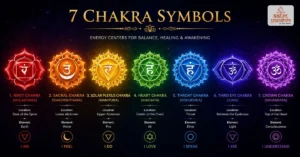
- Opens the heart center (Anahata chakra) to release suppressed emotional trauma.
3. Gayatri Mantra (Vedic Mantra for Mental Clarity & Cellular Vitality)
Recorded in the Rigveda (Mandala 3, Hymn 62), the Gayatri Mantra honors Savitur, the solar force that fuels all earthly life and intellectual discrimination.
Mantra:
“Om Bhur Bhuvah Swaha
Tat Savitur Varenyam
Bhargo Devasya Dheemahi
Dhiyo Yo Nah Prachodayat”
- Dispels lethargy, mental fog, and cognitive exhaustion.
- Stimulates prefrontal brain activity responsible for focus and clear decision-making.
- Balances the circadian biological clock when chanted at dawn (Brahma Muhurta).
4. Om Shanti Mantra (Nervous System Relaxation)
A classical Upanishadic invocation that specifically pacifies three forms of distress: physical afflictions (Adhyatmika), external conflicts (Adhibhautika), and environmental stress (Adhidaivika).
Mantra: “Om Shanti, Shanti, Shanti”
- Produces an immediate lowering of resting heart rate and blood pressure.
- Serves as the ideal seal following vigorous Ashtanga yoga or Hatha asana sessions.
- Grounds sympathetic hyperarousal before deep sleep.
5. Dhanvantari Mantra (Vedic Healing Incantation for Physical Illness)
Lord Dhanvantari is celebrated in classical Ayurveda as the divine physician holding the nectar of rejuvenation (Amrita). Chanting this hymn directs mental focus toward biological tissue recovery.
Mantra:
“Om Namo Bhagavate Vasudevaya Dhanvantaraye Amrita-Kalasha Hastaya Sarva-Maya Vinashanaya Trailokya-Nathaya Sri Maha-Vishnave Namaha”
- Calms chronic digestive distress (Agni imbalance) and metabolic fatigue.
- Directs positive conscious intent toward damaged bodily tissues.
- Strengthens immune vitality alongside integrative Ayurvedic care.
6. Prana Apana Sushumna Hari (Energy Nadi Balancing)
This Kundalini formula harmonizes the opposing subtle energy currents: the ascending life force (Prana) and the descending detoxifying force (Apana).
Mantra: “Prana Apana Sushumna Hari, Hari Har Hari Har”
- Prana: Ascending breath fueling cardiovascular vitality.
- Apana: Descending breath governing digestive elimination and detoxification.
- Sushumna: The central spinal nadi through which awakened consciousness flows.
7. Healing Prayer for Loved Ones
In Himalayan ashram traditions, practitioners direct healing sound waves toward sick family members and friends to provide psychic comfort and biofield reinforcement.
Healing Invocation:
“May divine healing vibrations surround your body, restore cellular strength, and grant unshakeable peace to your mind.”
- Strengthens emotional resilience for caregivers and families.
- Relieves subconscious anxiety when supporting someone through illness.
- Fosters mental connection and supportive goodwill.
8. Om Namah Shivaya (Purification of the Five Elements)
The five sacred syllables—Na, Ma, Shi, Va, Ya—correspond to the five elements: Earth, Water, Fire, Air, and Ether. Reciting this mantra purifies elemental blockages within the physical and subtle body.
Mantra: “Om Namah Shivaya”
- Dissolves mental heaviness and inertia (Tamas).
- Deepens concentration during Lord Shiva meditation practice.
- Cleanses emotional residues stored within bodily fascial planes.
9. Om Gam Ganapataye Namaha (Removal of Obstacles to Health)
Dedicated to Lord Ganesha, the guardian of the root chakra (Muladhara), this mantra dissolves psychological resistance that prevents people from committing to restorative health habits.
Mantra: “Om Gam Ganapataye Namaha”
- Overcomes self-sabotaging thoughts and procrastination regarding wellness.
- Grounds mental volatility into calm pelvic stability.
- Cultivates patience during long-term physical rehabilitation.
10. Ra Ma Da Sa Sa Say So Hung (Siri Gaitri Healing Mantra)
A classic Kundalini sound current combining eight distinct root sounds: Ra (Sun), Ma (Moon), Da (Earth), Sa (Infinity), and So Hung (I am Thou).
Mantra: “Ra Ma Da Sa, Sa Say So Hung”
- Stimulates metabolic circulation and lymphatic drainage.
- Balances the left and right cerebral hemispheres.
- Widely utilized for telepathic distant healing when practiced in a group.
11. Om Sarve Bhavantu Sukhinah (Universal Vedic Wellness Shloka)
This ancient shloka from the Brihadaranyaka Upanishad encapsulates the universal yogic ethos: personal wellness is inextricably linked to the wellbeing of all creation.
Sanskrit Shloka:
“Om Sarve Bhavantu Sukhinah, Sarve Santu Niramayah
Sarve Bhadrani Pashyantu, Ma Kashchid Duhkha-Bhag-Bhavet”
Meaning: “May all beings be happy. May all beings be free from illness. May all perceive what is auspicious. May no one suffer.”
- Releases interpersonal resentment and competitive friction.
- Fosters an expansive sense of safety and holistic peace.
- Acts as a powerful closing blessing after pranayama and asana.
Which Mantra is Good for Health and Disease Recovery?
If you are addressing physical weakness, post-surgical rehabilitation, or severe fatigue, the Maha Mrityunjaya Mantra stands out as the supreme Vedic formula for physical recovery. Its resonant syllables stimulate parasympathetic tone, reducing systemic inflammation and accelerating cellular recovery.
For emotional shock, hypertension, or racing thoughts, the Om Shanti mantra and Om Mani Padme Hum provide an immediate calming effect. When practiced with proper diaphragmatic breathing and focused attention, the vibrational frequency of these chants brings the autonomic nervous system back into equilibrium.
Study Authentic Vedic Chanting in Rishikesh:
Want to experience the transformative science of Nada Yoga, Sanskrit mantras, and breath mastery under authentic Himalayan masters? Explore our Yoga Alliance accredited 200-Hour Yoga Teacher Training Course in Rishikesh or immerse yourself in our foundational 100-Hour Yoga Training.
👉 Download Syllabus & View All Course Comparison Details on Home Page
How to Practice Mantra Meditation for Healing?
Follow this systematic six-step ashram protocol to maximize the physical and mental benefits of your daily mantra practice:
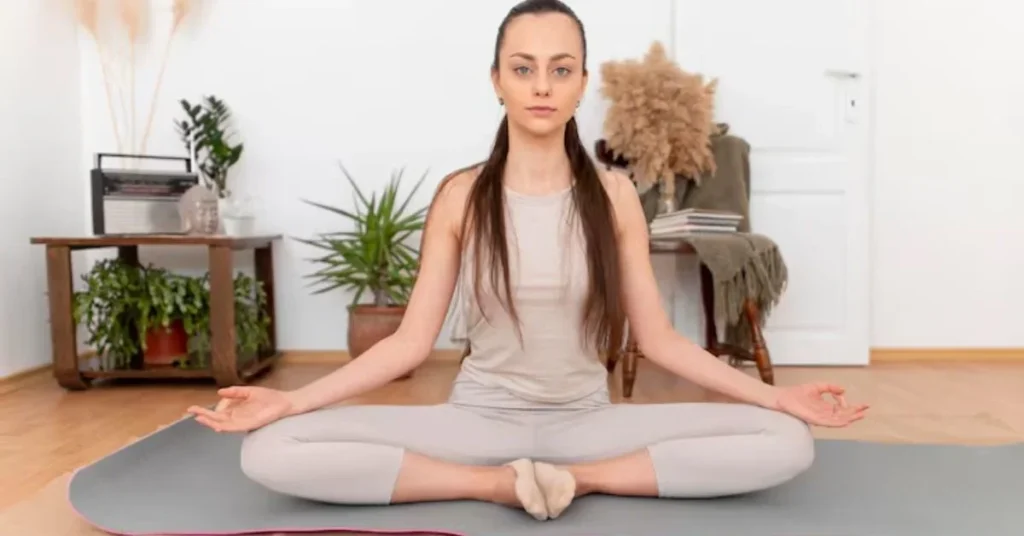
- 1. Establish a Grounded Seat: Sit comfortably with an upright, uncompressed spine in Sukhasana, Padmasana, or on a firm chair with feet flat on the floor.
- 2. Apply a Hand Mudra: Place your hands in Gyan Mudra (thumb touching index fingertip) to ground nervous energy and sharpen concentration.
- 3. Regulate the Breath: Inhale slowly through your nose for 4 counts, expanding the lower abdomen, then exhale smoothly for 6 counts. Repeat for 5 cycles.
- 4. Chant with Audible Resonance (Vaikhari Japa): Chant clearly aloud so sound vibrations reverberate through your chest, throat, and skull.
- 5. Count 108 Repetitions with a Japa Mala: Use a 108-bead Rudraksha or Tulsi mala to maintain steady rhythmic cadence without mental counting distractions.
- 6. Rest in Silent Absorption (Manasika Japa): After completing 108 repetitions, remain still with eyes closed for 5 to 10 minutes to absorb the acoustic healing residue.
Summary and Final Insights
Mantras are powerful scientific instruments that synchronize mind, breath, and body. Whether you chant a Buddhist mantra of compassion, a Vedic hymn for physical recovery, or an Upanishadic prayer for peace, the acoustic frequency realigns cellular vibration with health. Regular practice of these 11 powerful mantras helps reduce stress, accelerates healing from illness, and restores mental tranquility.
To experience the deepest benefits of mantra chanting, combine it with traditional Hatha yoga asana, pranayama, and meditation under certified masters at Aatm Yogashala in Rishikesh.
Popular Questions Explained
What is the most powerful mantra for health and healing?
The Maha Mrityunjaya Mantra (Om Tryambakam Yajamahe) is widely considered the most potent Vedic mantra for physical recovery, cellular regeneration, and overcoming disease.
How often should I chant a mantra for healing?
You should chant healing mantras daily, ideally 108 times using a Japa mala during the morning (Brahma Muhurta) or evening twilight to establish strong neural and cellular resonance.
Can mantra chanting really improve physical health?
Yes. Clinical neurobiology demonstrates that repetitive Sanskrit chanting slows respiration to six breaths per minute, stimulates the vagus nerve, and lowers blood pressure and cortisol.
What is the best time of day to chant healing mantras?
The most effective time is Brahma Muhurta (roughly 4:00 AM to 5:30 AM) or sunset twilight (Sandhya), when ambient distractions are minimal and autonomic receptivity is highest.
Do I need prior initiation from a guru to chant these mantras?
Universal Vedic hymns such as the Maha Mrityunjaya, Gayatri, and Om Shanti mantras can be safely practiced by all sincere seekers without formal sectarian initiation.
Recommended Next Reads: