
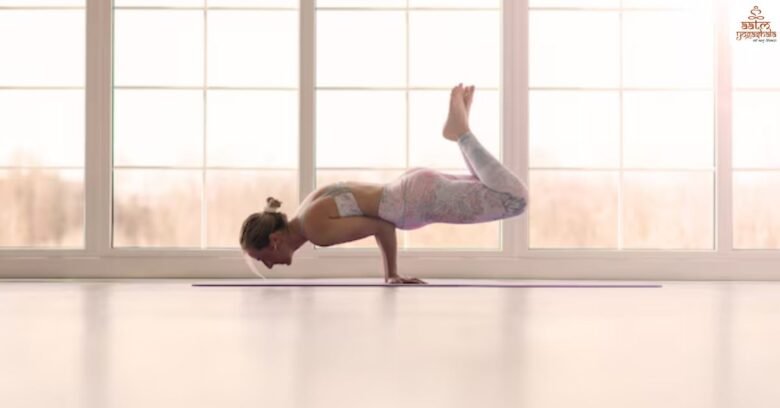
Yoga is a journey for your better health and it goes from simple stretching to strength building asanas. Among the most challenging yet stunning and physically demanding poses is the Chin Stand (Ganda Bherundasana). It is known for its deep backbend and impressive balance.
Chin stand is an advanced yoga pose, which needs upper strength as well as core stability, balance and body awareness. This pose is a challenge for those who are doing yoga for years as it needs physical as well as mental strength. Here you will get to know each part related to the chin stand, let see now.
What is the Actual Meaning of Ganda Bherundasana?
To understand the pose, let us first see what this term means, so in Sanskrit, Ganda means cheeks or side of the face, and Bherunda means terrible in a powerful way. So in a simple way Ganda Bherundasana meaningis that this pose shows some majestic and yet powerful view, making it a tough asana as well, it needs a lot of courage and strength.
The Physical and Mental Rewards
It is a tough pose then why do yoga seekers go for such a difficult position so the reason is that the chin stand ganda bherundasana benefits are not just looking good on camera, but it has more to it. Physically, it strengthens your core, the spine and opens the chest. Mentally, it helps you gain focus, stimulates the nervous system leaving you feeling more energized.
How to do Chin Stand Ganda Bherundasana?
Before you start doing this pose, make sure your neck and spine are warmed up, to avoid any injury. Here is a simple guide on how to do chin stand ganda bherundasna:
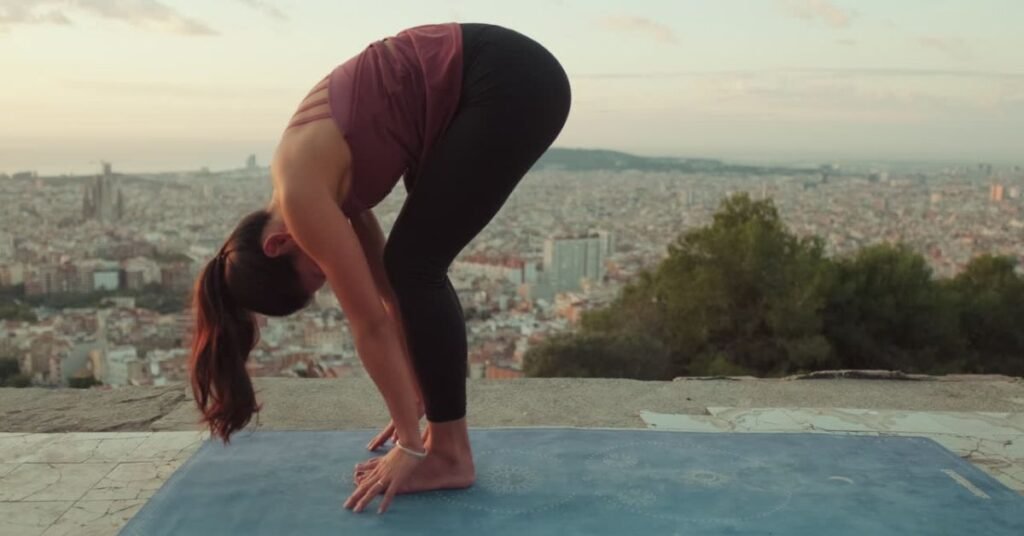
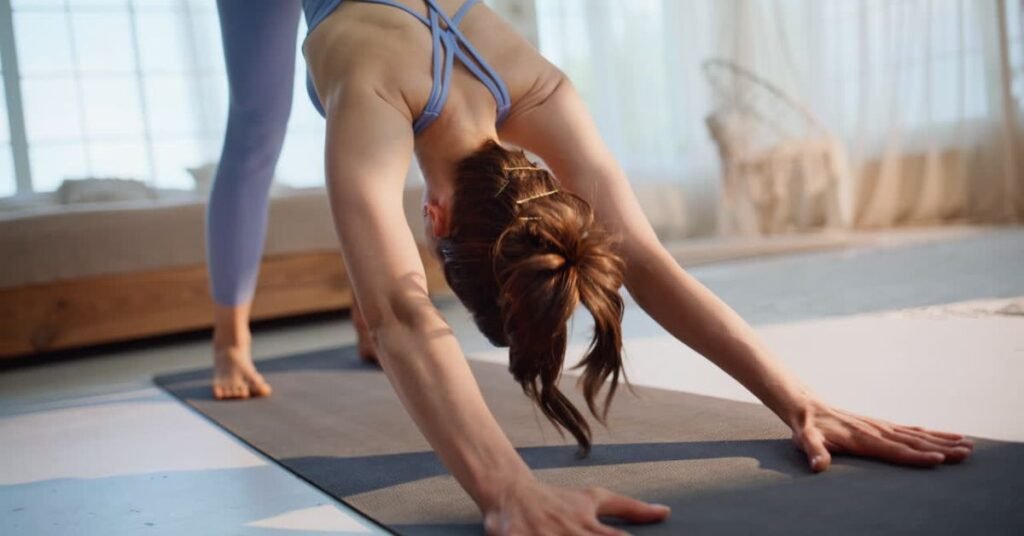
- Firstly start in a tabletop position or a downward dog.
- Then shift your weight forward into a Chaturanga-like position, but bring your chin and chest gently to the floor.
- Keep your eyes forward and never turn your head to the side.
- Now walk your feet closer to your chest, and lift one leg high, then gently kick the second leg up to join it.
- Engage your core and glutes to maintain the arch in your back.
The Hands on Cheek Variation
In some traditional texts, you might see that there is a little variation in this pose that is often called the hands on cheek pose. In this version, the weight is more focused on the throat and chin, which requires an extremely high level of flexibility. For most yoga seekers, keeping hands flat on the mat is like a tripod feeling, which is the safest way to make the necessary base.
Related Post:- Table Pose Bharmanasana
Why Practice at Aatm Yogashala?
Mastering the Chin Stand (Ganda Bherundasana) is not something you should do alone in your living room without any guidance, as it can cause you injury. At Aatm yogashala, they focus on giving best instructors which can help you do this pose properly and in alignment. In this yogshala they provide a proper calm environment and certified instructors for different yoga asanas.
Warm- up poses:
When you try to do a pose like Chin Stand (Ganda Bherundasana), always make sure that regularly you are doing some warm-up pose so that your body can become flexible and without any problem can do this pose with ease. So those pose are first it is Bhujangasana also known as cobra pose, this is pose which will help in opening heart space and make spine flexible.
Now then comes the second pose that is Chaturanga Dandasana, commonly known as four- limbed staff pose, now this is give strength to shoulder and triceps which is very needed when doing chin stand as your whole body weight is in your hands, and then comes the final pose which is Ashtanga Namaskara this is known as knees- chest- chin pose, as the name suggest it is for three major parts knees, chest and chin, and how?- so this pose teaches how to keep the chest and chin grounded and hips slightly upwards, creating a S curve in spine which is necessary.
Common Mistakes to Avoid in Ganda Bherundasana
While you are doing such a challenging and tough asana like chin stand(Ganda Bherundasana), always remember to avoid such common mistakes which people do, as they can avoid you from any major or minor injuries. Here are some common mistakes:
- Putting Too Much Weight on the Chin: This is the most dangerous mistake. Despite the name, your chin should only be used as a balance point, it should not have all weight. About more than half of your weight should be in your hands and shoulders.
- Looking Down or to the Side: While doing this pose your eyes must be forward. In this pose your body is inverted, so turning your head can cause serious neck strain. So keep your neck long and your eyes focused on a point in front of your mat.
- Flaring the Elbows: Just like in a push-up, if your elbows stretched out to the sides, you lose your balance.
- Holding the Breath: When we get nervous in a difficult pose, we tend to stop breathing. However, the Chin Stand (Ganda Bherundasana) requires a steady flow of oxygen to keep the muscles engaged. If you can’t breathe, back out of the pose and try a simpler variation.
Also Go Through:- 100 Hour Yoga Teacher Training in Rishikesh
Final Thoughts
Becoming a pro in a complex yoga pose like Chin Stand (Ganda Bherundasana) is not just about your physical strength, it is about having patience and self trust in your body. This pose shows us that no matter how hard and tough the world problem is, you can still control your body and its rhythm by just focusing on your breath.
Remember, the main aim of yoga isn’t to show a perfect version of a posture for a photo. The goal is to notice the small changes in your body and mind along the way. Whether you are still working on your base strength or are ready to become more fit, you just have to be kind to yourself.
If you’re looking for more guidance on your yoga journey or want to explore some techniques, you can visit Aatm Yogashala also. Every time you put your step on the mat, you will be closer to your true self.
Frequently Asked Questions (FAQS)
Is Chin Stand (Ganda Bherundasana) safe for everyone?
No. This is an advanced pose, so if someone has neck injury, high blood pressure or is pregnant, in such cases you should avoid this tough yoga asana. Before doing such types of asana always once consider asking some instructor first.
How many days does it take to learn?
For some, it takes months; for others, years. It depends on how flexible your body is and on your shoulder strength also.
What if I feel pressure in my neck?
If you feel sharp pain or too much pressure on the throat, come down immediately. Most of the weight should be in your hands and shoulders, not your chin.
Read Post:-