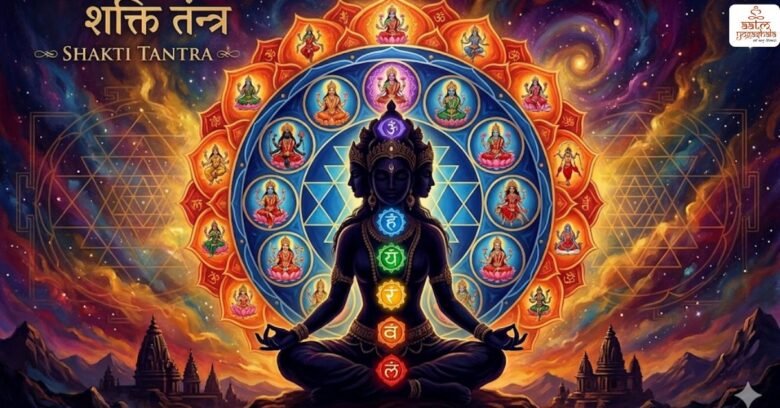
Shakti, the divine feminine, in the form of words, Devi Maa Durga and as the other nine forms of the divine goddess. Shakti Tantra is linked with the practice of worshipping the divine female to gain salvation or tap into the knowledge of the energy. Always, energy or power of frequency will rescue us from this world and dissolve our Karmas. Shakti Tantra explores the spiritual energy practices rooted in ancient Indian traditions.
At a point of approach whereby one is awakening the inner energy or ‘Kundalini’, the use of the sacredness of the body is required. While on the path of liberation, one can savor the delights of this world in Shakti Tantra. It’s transforming desire into devotion, towards the divine feminine.
Philosophy of Shakti Tantra
The well-known scriptures of Tantra are referred to as the beginning of Shakti Tantra. Shakti is formless power, and it is the supreme form of this power and is inseparable from the Supreme Being Shiva. When there is no Shakti, there is no Shiva; in other words, all the forms have come from the ground of Shakti.
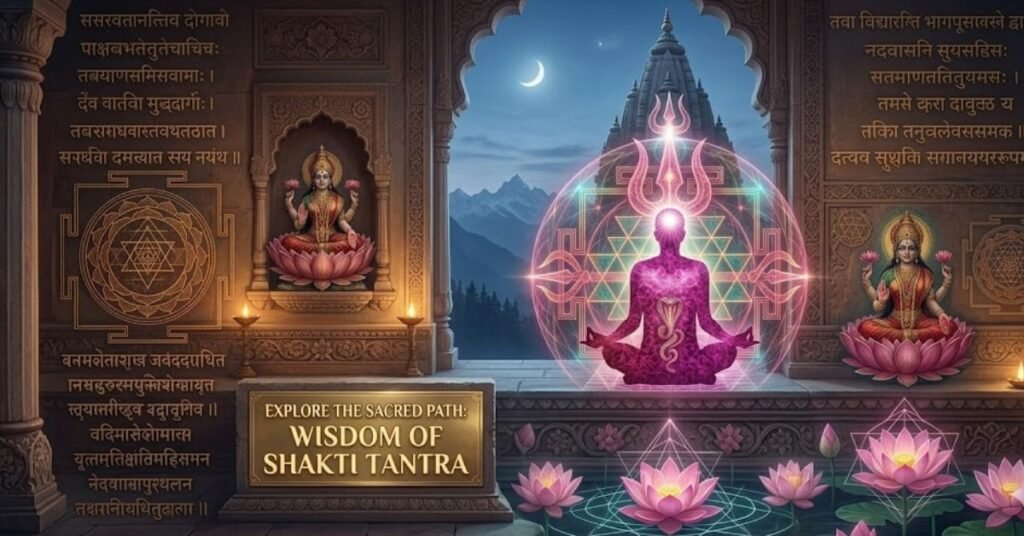
We will discuss the correlation of the philosophy once we have learned the foundations of this. Shiva (Masculine principles) is Inactive in the very first moment of existence, in Sanskrit it is called ‘Shoonya’, which basically means emptiness.
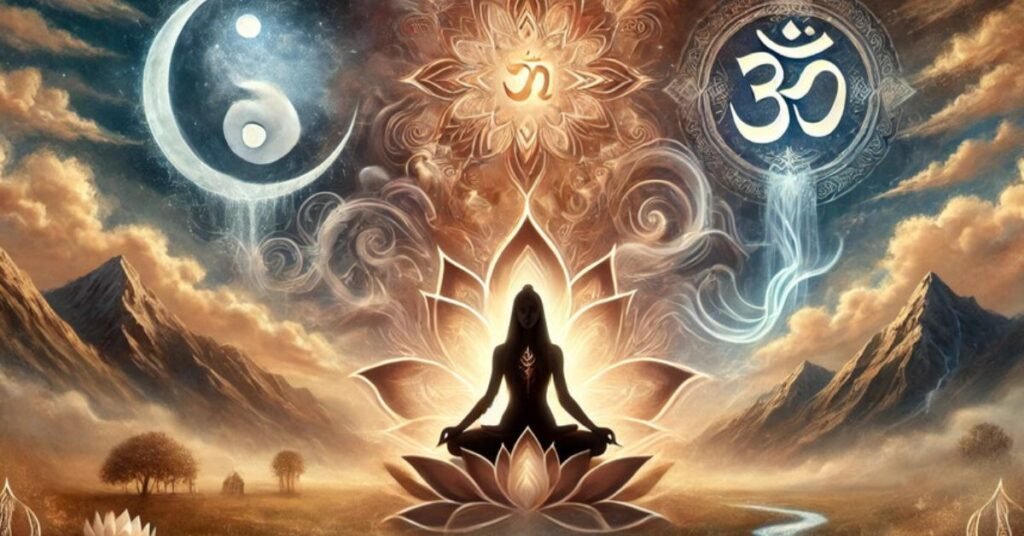
The very beginning form of Shakti (female principle) is directionless. In Chinese scriptures, the male and female are denoted in the form of yang and Yin, respectively. Both yin and yang are fulfilled by nourishing and complementary towards each other. There are also words of similar philosophy in the Greek and Egyptian scriptures. What is Shakti tantric is a commonly searched question about the divine feminine energy and tantra philosophy.
Related Post:- Gentle Hatha Yoga Sequences for Beginners
The Main Principles of Shakti Tantra
Shakti Tantra is a spiritual practice dedicated to the worship of the Great Feminine (Shakti), which is the ultimate dynamic creative force in the universe. Symbolic elements include the humanization of cosmic energy (Kundalini), the unification of feminine energy with masculine consciousness (Shiva) and the respect of the material world as the manifestation of the divine (use of ritual, mantras and yantras).
- Supreme Reverence of the Feminine (Shakti): Shakti is considered to be the living reality of creation, existence and transformation, the “Divine Mother”.
- Union of Shiva and Shakti: Philosophy is a balance between Shiva (Pure consciousness/Static) and Shakti (Active Energy/Manifestation). Tantra brings in those two as being intrinsically linked, and the union of the two brings about an increase in awareness.
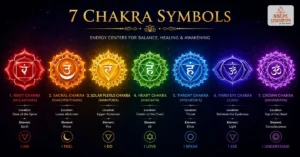
- The awakening of the Shakti energy (Kundalini), which lies at the base of an individual’s spine, is the most crucial practice, as this energy is sent upwards through the chakras to free the individual from material confusions.
- Deification of the Material World: Shakti Tantra’s world sees itself as an expression of divine energy, through which one can achieve spiritual liberation (bhukti) while savouring life in the material world (mukti).
- The Path of Practice (Sadhana): This is the path of practice – NOT just philosophy, but doing the practice through certain tools that can be applied to the channelling of energy, such as:
- Mantras: Mantras are chants related to the empowerment of Divine Energy through the use of Beej (seed).
- Meditating on Geometric, sacred designs which are representing the goddess’s name, Yantras.
- Hand gestures/positions (Mudra) are used to promote the flow of energy.
- Guidance by a Guru: To safely perform the great energetic changes, it’s essential to be guided by a Guru and a Boon Guru, which is a qualified mentor.
How to Practice Shakti Tantra?
Here, this practice of Hatha yoga consists of Shadhna and Pranayama exercises, channelling the Pranic flow along this path. Chanting any Beej mantra is the other principle to complete Sadhna. Here’s how to practise, not saying what the exact direction is, as it requires you and Guru Diksha to be able to do it.
- Reciting Mantra which makes happy the various 9 forms (philosophies) of the Divine Goddess or Maa Durga.
- Tantra is primarily based on the worship of Mahakali or Chamunda Roop (The female aspect of the demon).
- The next stage is to contemplate the Yantra – they appear like geometrical drawings.
- They are involved in establishing connections in every way.
- Continuously performing poses and hand mudras, with these practices.
- These contribute to creating a strong foundation on the devotional path.
- When it comes to Hatha yoga and Kriyas, you’re entering a sacred and powerful yoga path.
Why Should You Practice Shakti Tantra?
There can never be any spiritual practice which counts in the beneficial procedures, since they’re only procedures for salvation, realisations, etc. Indeed, if you wish to pursue this route aligned with the higher Self and for the achievement of Samadhi, here are some of the positive aspects of it.
- Harmonises both spiritual and material aspects of life.
- Helps to create somebody to be determined and confident with creativity.
- It expands consciousness in this universe and could help in realising that we are all just drops of the same sea.
- Separates any practitioner from the world and its attachment to desire.
- Also, it is a therapeutic system for lots of people.
- It improves the balance between the masculine and feminine energies of an individual and thus has an even greater connection with family-friendly individuals.
Conclusion
Shakti Mantra is experienced as a powerful mantra, which helps in energising the inner strength, confidence, positive thoughts and divine energy. These mantras, inspired by ancient Hindu beliefs and practices, are typically chanted for the propitiation of Goddess Durga, the Goddess Kali, or other representations of Divine Shakti, which embodies power and protection.
Shakti represents the cosmic feminine power believed to create and transform the universe. By consistently practising Shakti Mantras, one can try to quiet the mind, focus, eliminate bad thoughts and balance emotions. With dedicated and regular recitations, Shakti Mantras can evoke mental clarity, strength and spiritual development during meditation, पूजा or in daily practices.
Frequently Asked Questions
Q. What is Shakti Mantra?
A. Shakti Mantra is a sacred chanted word to invoke Divine Feminine energy or Goddess Shakti. It’s said to bring strength, protection, courage and spiritual strength.
Q. What is the gain in reciting the mantra of indeed Shakti?
A. Saying the Shakti Mantras helps one to focus, calm, gain confidence, emotional stability and a better spiritual perception. Many also recite them as a protection and for good energy.
Q. Who is the Goddess in the Shakti Mantra?
A. Shakti Mantras are mainly associated with the exquisite divines such as Durga, Kali, Lakshmi and Saraswati.
Q. Will beginners be able to chant Shakti Mantras?
A. Of course, beginners can recite Shakti Mantras. It is generally advisable to begin with simple mantras and to concentrate and devoutly chant.
Q. What is the optimum time to chant a Shakti Mantra?
A. The best time to recite the Shakti Mantras is the Brahma Muhurta (early morning) and the evening time of meditation. They can be chanted at any time; however, if they are chanted attuned and concentrated, it is better.
Q. How many times is a Shakti Mantra to be chanted?
A. Fans of the Union say that is why they devote the whole day to chanting Shakti Mantras 11, 21, 51 or 108 times, depending upon one’s spiritual practice, while taking the help of a mala (counting stick) as a counting aid.
Read Post:-