200 Hour Kundalini Yoga Teacher Training in Rishikesh, India

  1. Home
  2. 200 Hour Kundalini Yoga TTC

Course Overview

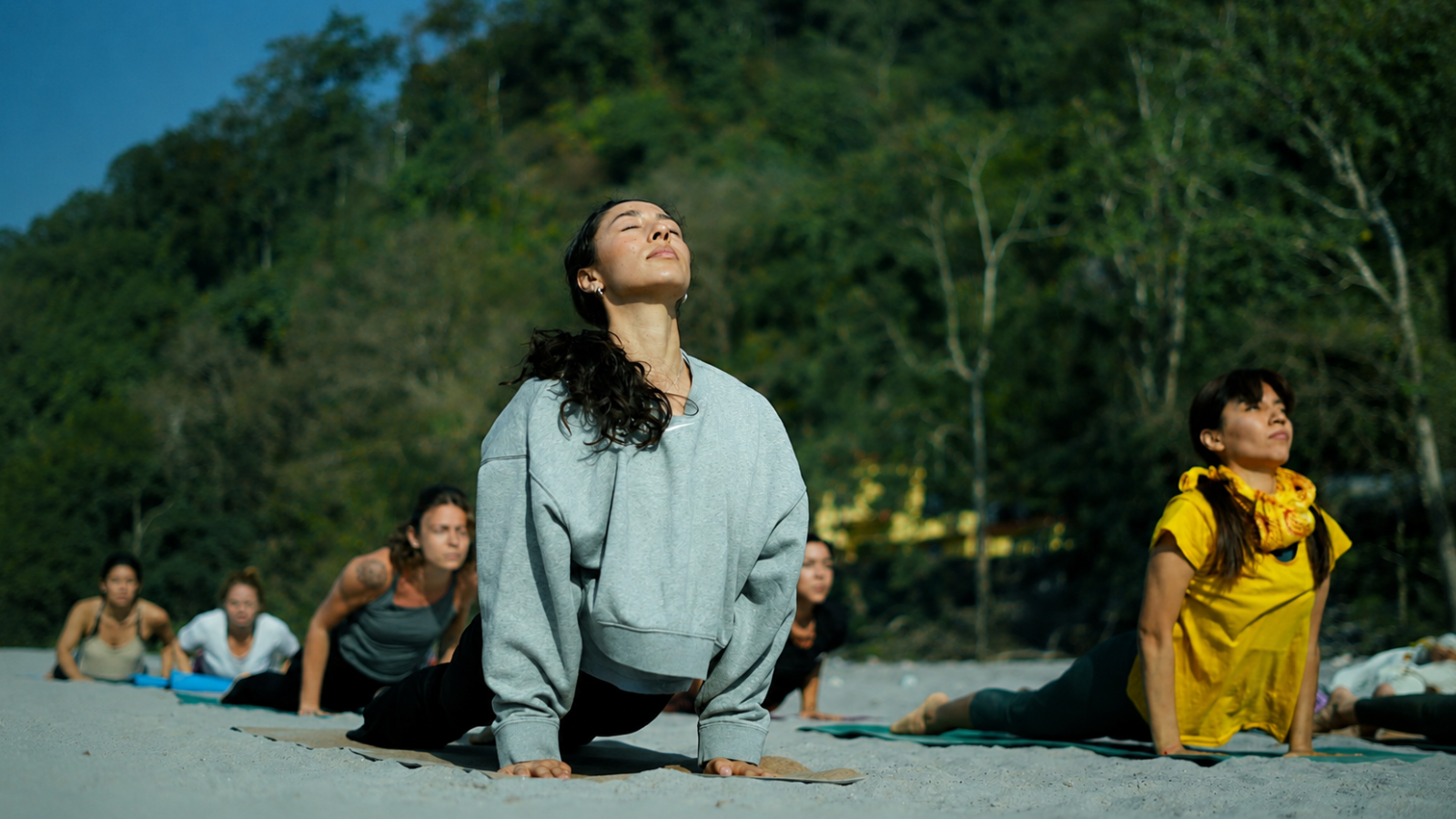
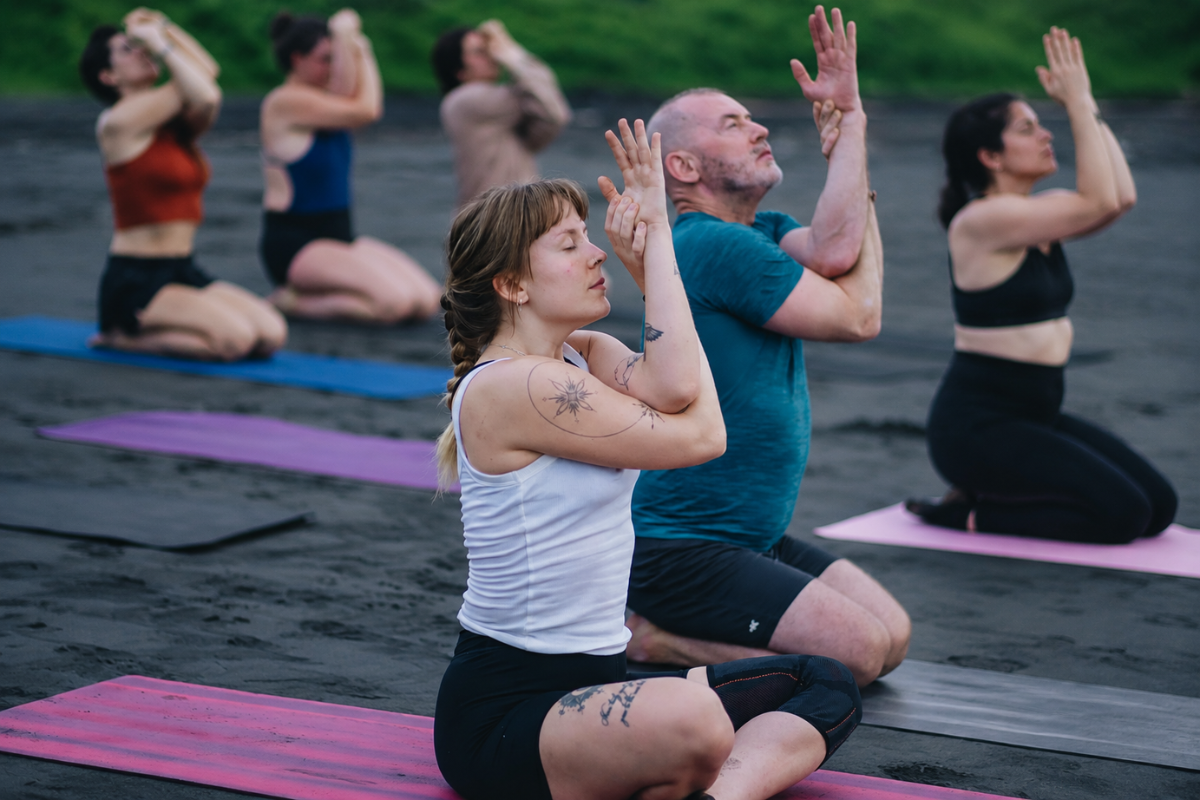
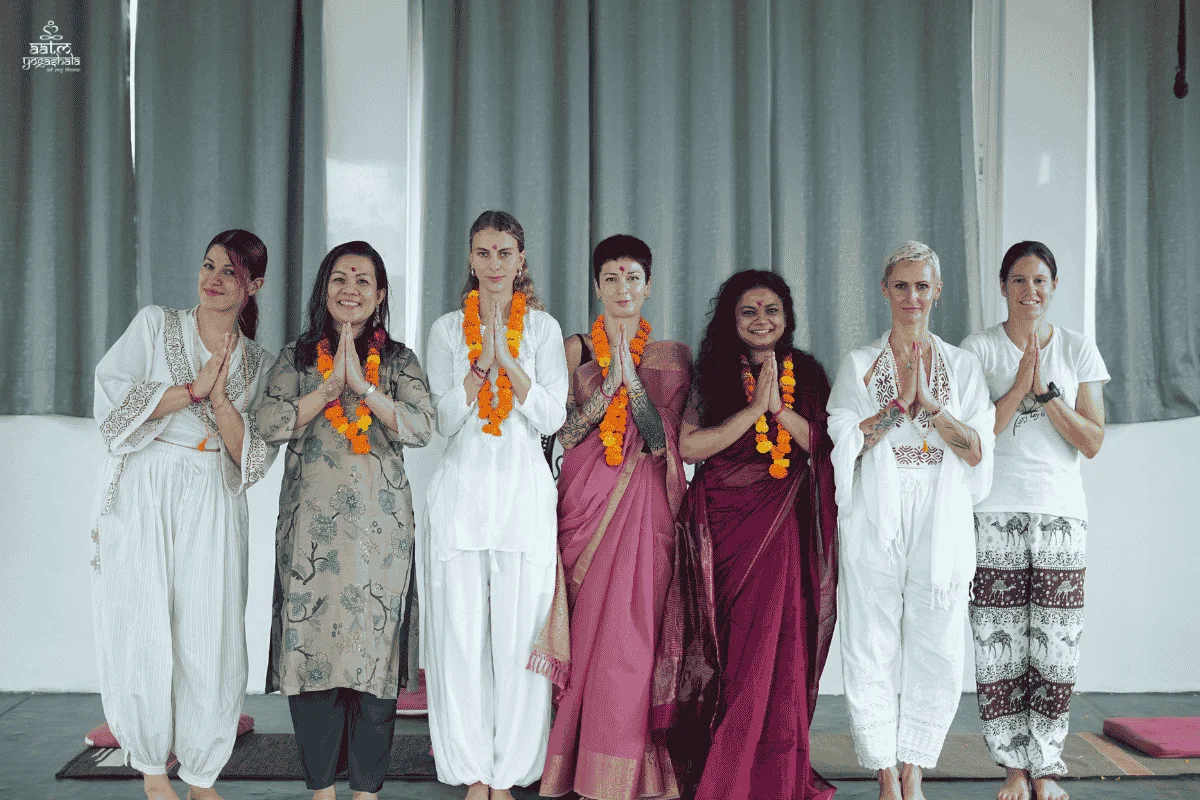
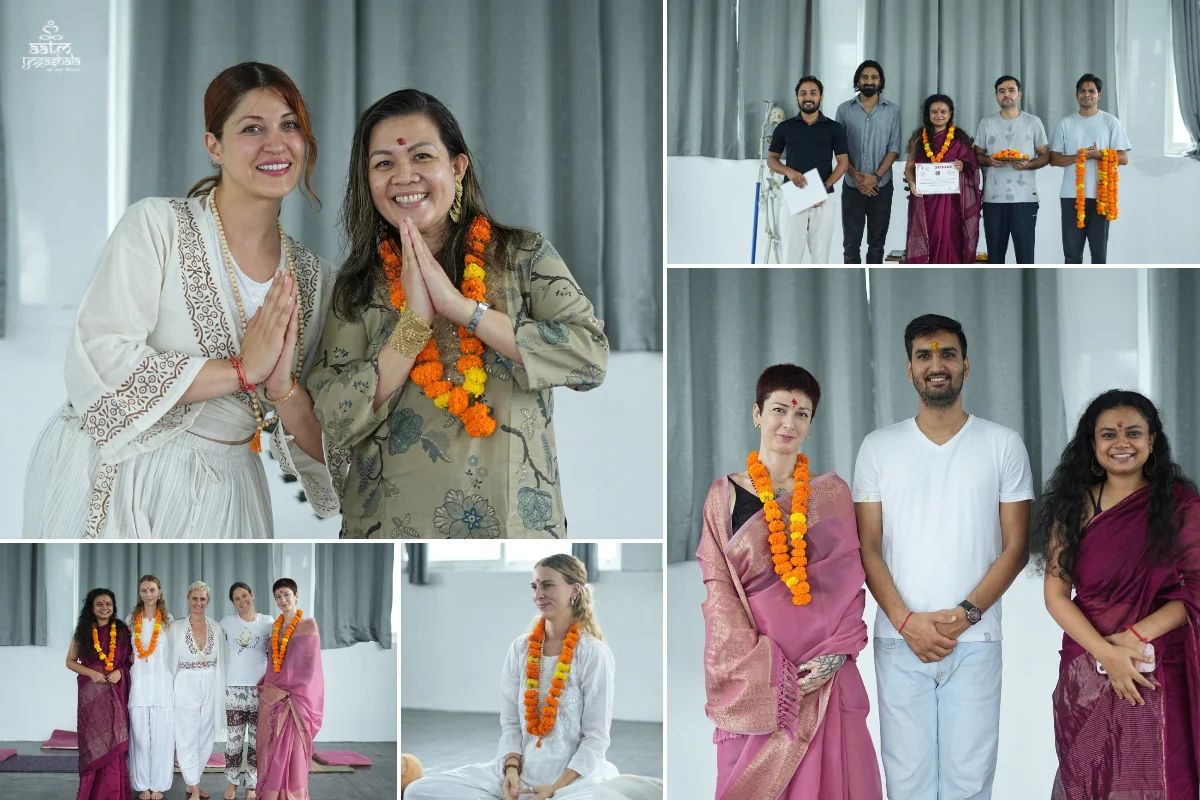
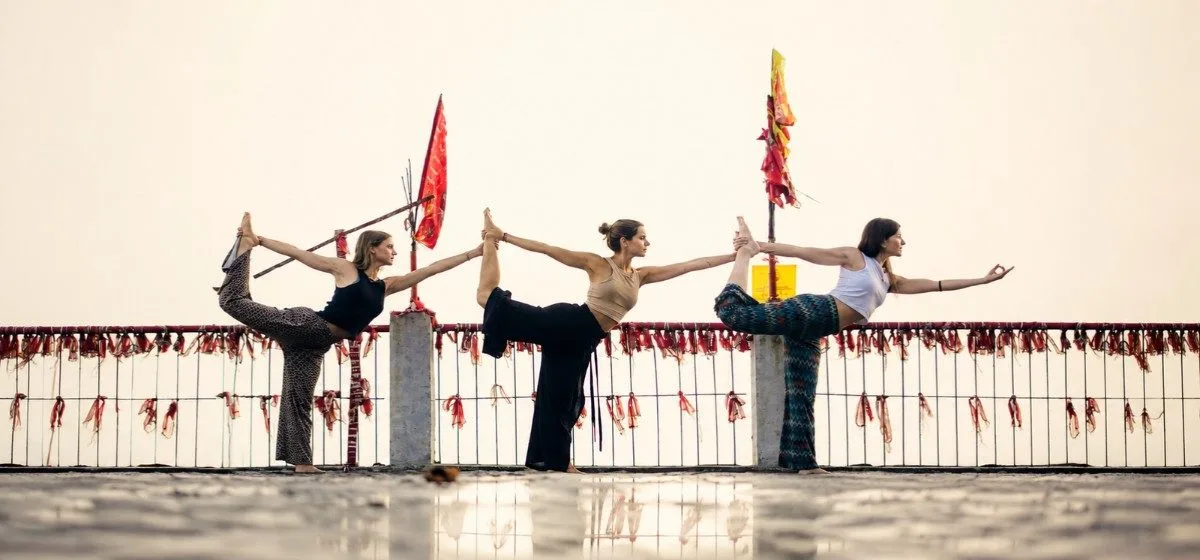
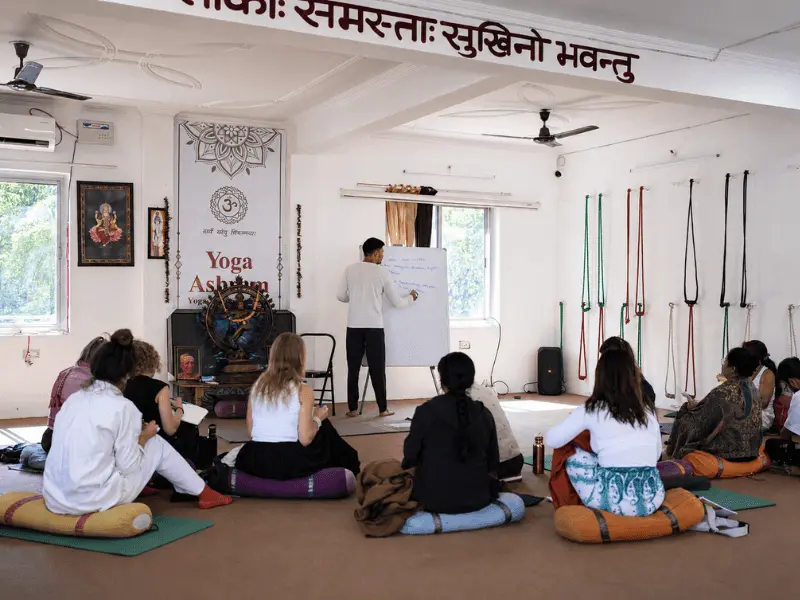
The 200 Hour Kundalini Yoga Teacher Training Course in Rishikesh, India at Aatm Yogashala is a transformative 24-day comprehensive residential immersion accredited by Yoga Alliance USA (RYT 200). Set along the holy banks of the sacred Ganges River (Ganga) in peaceful Swargashram, Rishikesh, this world-renowned course invites seekers, dedicated yoga practitioners, and aspiring international teachers to experience the ancient, sacred technology of Kundalini awakening.

Known traditionally as the “Yoga of Awareness,” authentic Kundalini Yoga unites classical asana postures with dynamic Tantra prana kriyas, pranayama, bandhas (energy locks), sacred mudras, vibrational mantra chanting, and subtle body anatomy (chakras, nadis, and kundalini shakti). Guided directly by experienced Himalayan masters, this 200-hour program systematically balances the physical and energetic bodies, awakens dormant spiritual vitality at Mooladhara Chakra, and prepares you to teach Kundalini Yoga worldwide with confidence, authenticity, and poise.

Who Is This 200-Hour Course For?

  • Aspiring International Yoga Teachers: Individuals seeking Yoga Alliance USA (RYT 200) accreditation to teach Kundalini and Hatha yoga professionally worldwide.
  • Spiritual Seekers & Sadhakas: Practitioners wanting to awaken dormant spiritual energy (Kundalini Shakti) under the safe, experienced guidance of authentic Himalayan masters.
  • Yoga Teachers & Wellness Instructors: Certified teachers wishing to deepen their repertoire with subtle energy anatomy, advanced kriyas, bandhas, mudras, and sound meditation.
  • Holistic Healers & Coaches: Breathwork facilitators, therapists, and meditation guides looking to integrate traditional Tantric science and chakra balancing into their healing practices.
  • Dedicated Beginners: Sincere students with a disciplined mindset seeking an authentic residential ashram lifestyle and profound personal transformation in Rishikesh.

Key Highlights of Your 24-Day Journey:

  • Comprehensive 23-Module Curriculum: In-depth study spanning Classical Kundalini Asanas, Tantra Prana Kriyas, Surya Kriya, Energy Locks, Mudras, Yoga Nidra, Tantra Philosophy, Shatkarma Cleansing, and Subtle Anatomy.
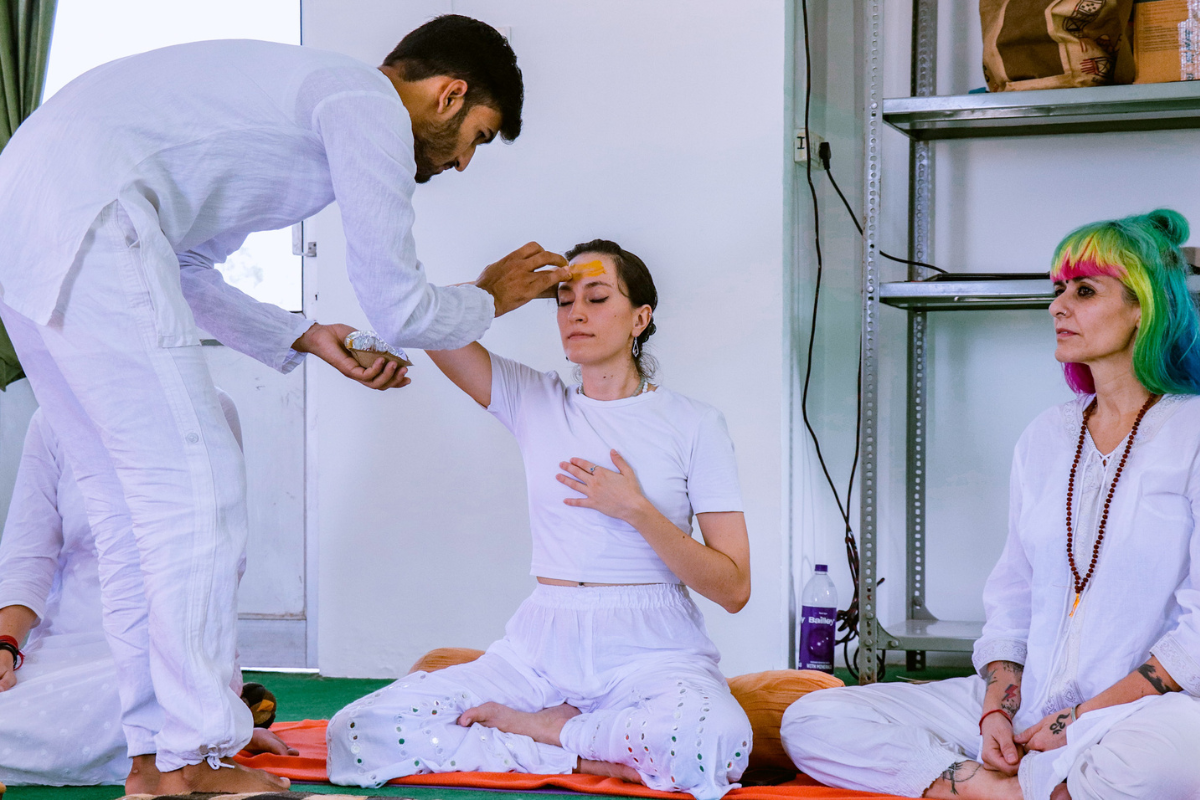
  • Mantra Diksha & Energy Transmission: Sacred spiritual initiation (Mantra Diksha) and traditional Shaktipat energetic guidance rooted in authentic Himalayan guru-shishya parampara.
  • Sacred Shakti Temple Excursions: Guided spiritual visits to ancient Himalayan Shakti Peeth temples, Ganga Aarti ceremonies, and riverside meditation caves.
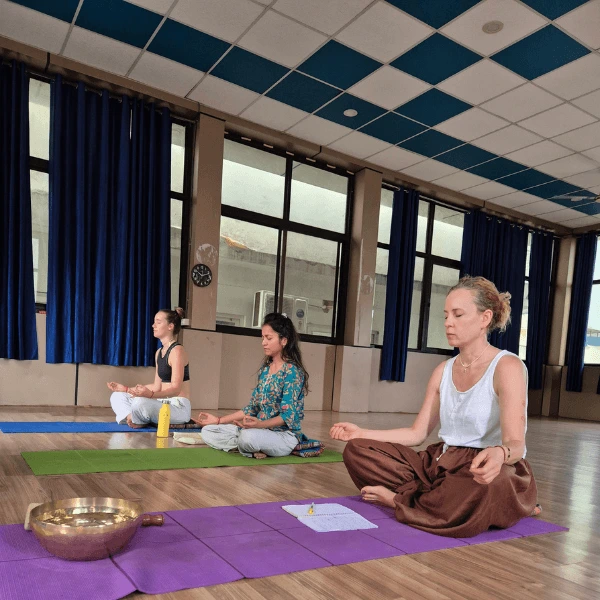
  • Sound Healing & Ayurvedic Wellness: Complimentary Tibetan singing bowl sound healing sessions and restorative Ayurvedic massages to harmonize awakened subtle energies.
  • Sattvic Ashram Living & Nourishment: Clean private or shared rooms with attached hot baths and three organic Ayurvedic vegetarian/vegan meals daily.

Hear from our Students

Why Choose Aatm Yogashala for 200 Hour Kundalini Yoga?

01

Authentic Himalayan Kundalini & Tantra Lineage

Learn directly from revered Himalayan yogis and masters steeped in classical guru-shishya traditions, preserving the sacred integrity of Tantra prana kriyas, energy locks, and spiritual initiation without commercial dilution.

02

Intimate Batch Size for Safe, Individualized Guidance

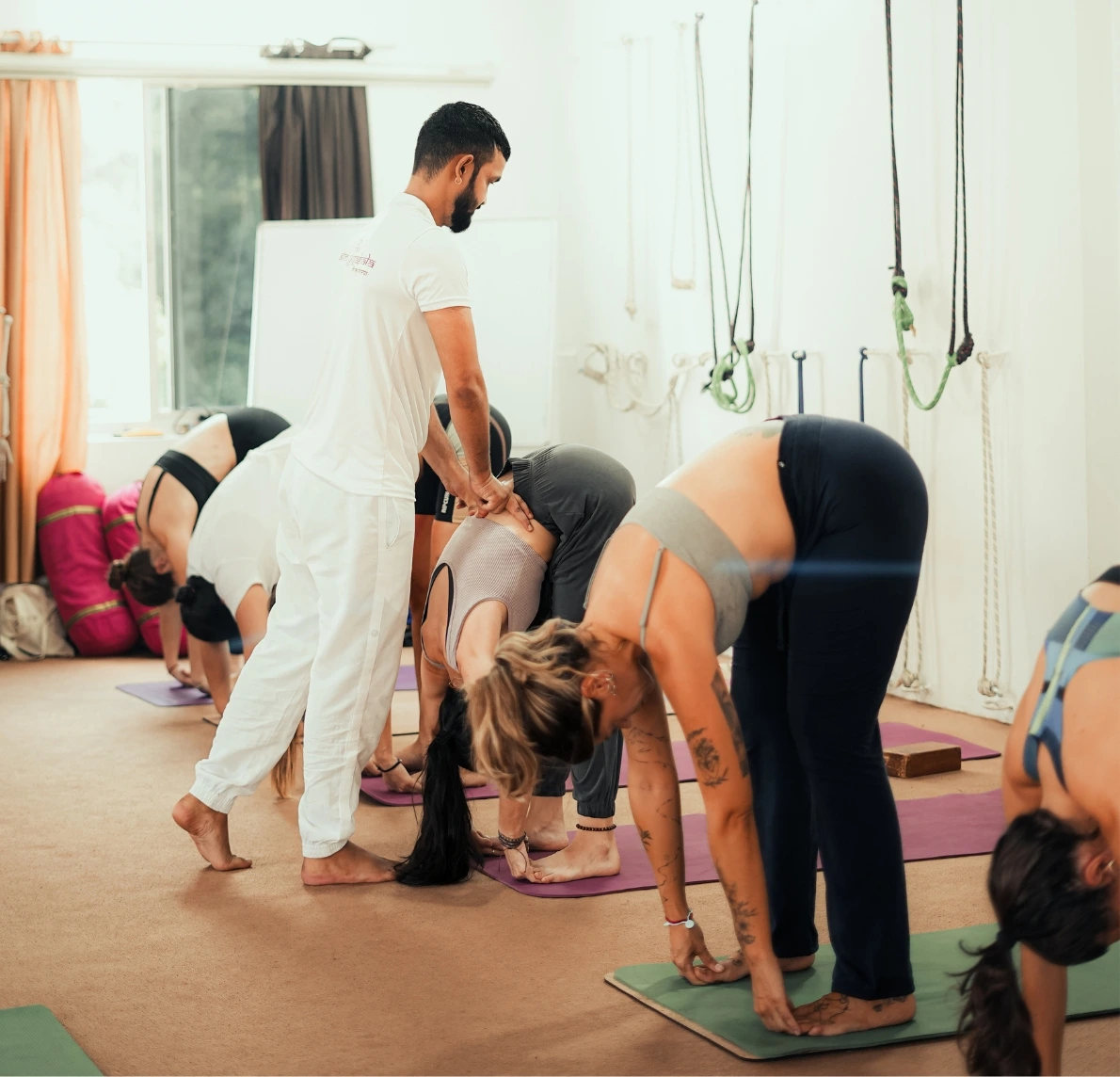
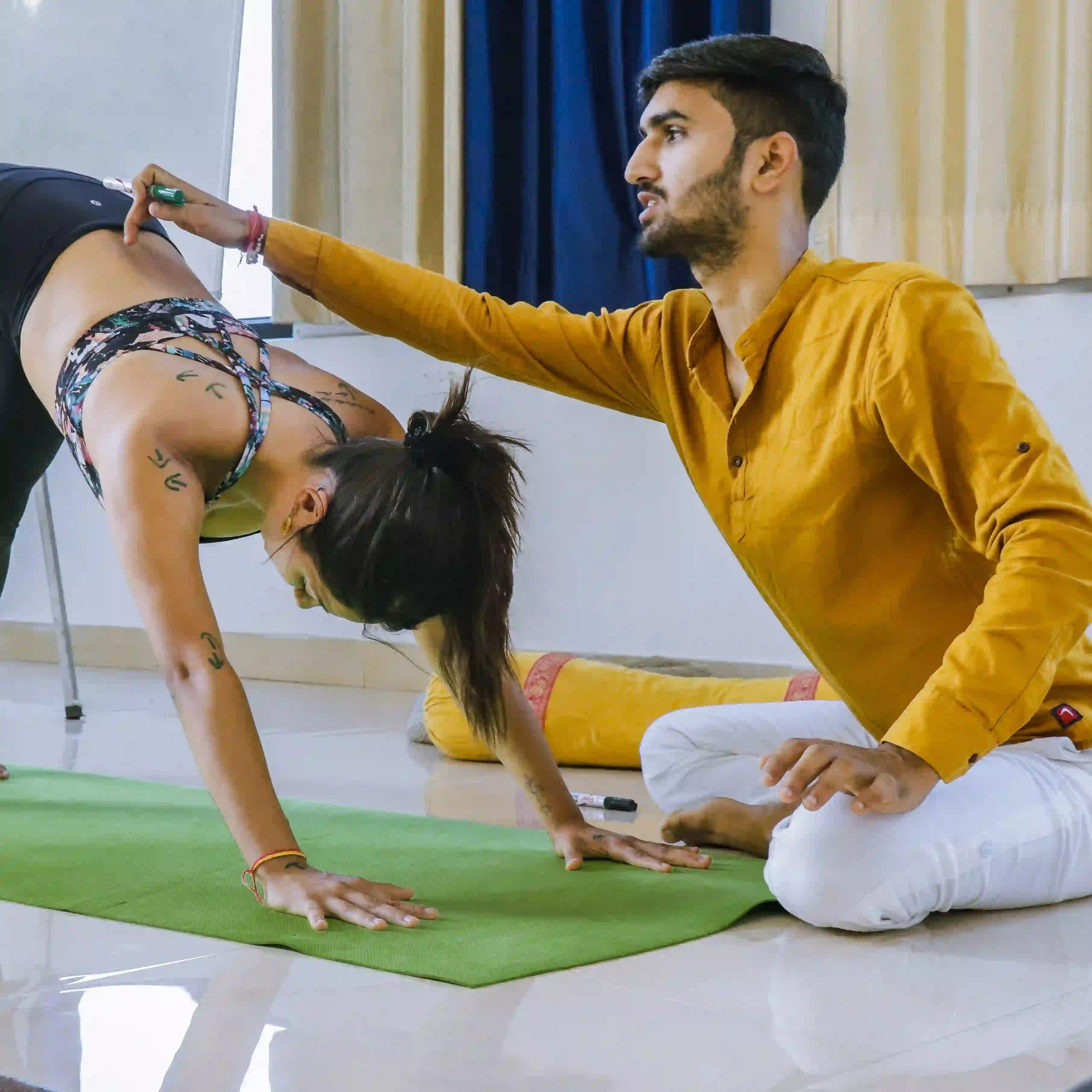
We intentionally limit class sizes so each practitioner receives individualized energetic diagnostics, personalized alignment adjustments, and safe, step-by-step awakening under master supervision.

03

Sacred Riverside Sanctuary in Swargashram, Rishikesh

Located in peaceful Swargashram along the holy banks of Mother Ganga, our ashram is free from city traffic and noise, providing an elevated energetic frequency that accelerates meditation and inner silence.

04

Integrated Sound Healing & Ayurvedic Rejuvenation

Your 24-day journey includes transformative Tibetan singing bowl sound healing sessions and restorative Ayurvedic therapies designed to balance the nervous system and integrate awakened prana harmoniously.

05

Globally Recognized Yoga Alliance USA (RYT 200) Certification

Graduate with an internationally accredited certificate that qualifies you to register with Yoga Alliance USA and lead professional Kundalini, Kriya, and Hatha classes, workshops, and retreats anywhere in the world.

Course Dates & Fees

Date Course Fees Booking
Course Date Private Room Double Sharing Room Triple Sharing Room Apply Now
3rd Oct - 24th Oct 2026 USD $1299 USD $1199 USD $899 Apply Now
3rd Nov - 24th Nov 2026 USD $1299 USD $1199 USD $899 Apply Now
3rd Dec - 24th Dec 2026 USD $1299 USD $1199 USD $899 Apply Now
3rd Jan - 24th Jan 2027 USD $1299 USD $1199 USD $899 Apply Now
3rd Feb - 24th Feb 2027 USD $1299 USD $1199 USD $899 Apply Now
3rd Mar - 24th Mar 2027 USD $1299 USD $1199 USD $899 Apply Now
3rd Apr - 24th Apr 2027 USD $1299 USD $1199 USD $899 Apply Now
3rd May - 24th May 2027 USD $1299 USD $1199 USD $899 Apply Now
3rd Jun - 24th Jun 2027 USD $1299 USD $1199 USD $899 Apply Now
3rd Jul - 24th Jul 2027 USD $1299 USD $1199 USD $899 Apply Now
3rd Aug - 24th Aug 2027 USD $1299 USD $1199 USD $899 Apply Now
3rd Sep - 24th Sep 2027 USD $1299 USD $1199 USD $899 Apply Now

Course Inclusions

Taxi Pickup

FREE taxi pick-up (from Dehradun (DED) Airport)

Accommodation

Accommodation with an attached washroom

Yogic Food

Yogic Food (100% Vegetarian Meals)

Special Dietary

Special Dietary (Raw, Vegan, Gluten-free)

Wi-Fi

24*7 Free Wi-Fi

Tea

Tea 2 times a day (Indian/Ayurvedic/Herbal)

Teaching Materials

Teaching Materials and Modules

Certificate

Certificate: 200 Hour Kundalini Yoga TTC by School

Course Exclusions

Ayurvedic Panchakarma & Treatment

Ayurvedic Panchakarma & Treatment

Air-conditioner

Air-conditioner (On Additional Charges)

Visa fee/ Airfare

Visa fee/ Airfare

Taxi Pickup

Taxi pick-up from Delhi and Haridwar

Yoga Certification

50 Hour Yoga Teacher Training in Rishikesh India - Hatha and Ashtanga TTC
50 Hour Yoga TTC in Rishikesh with Certified Yoga Alliance School

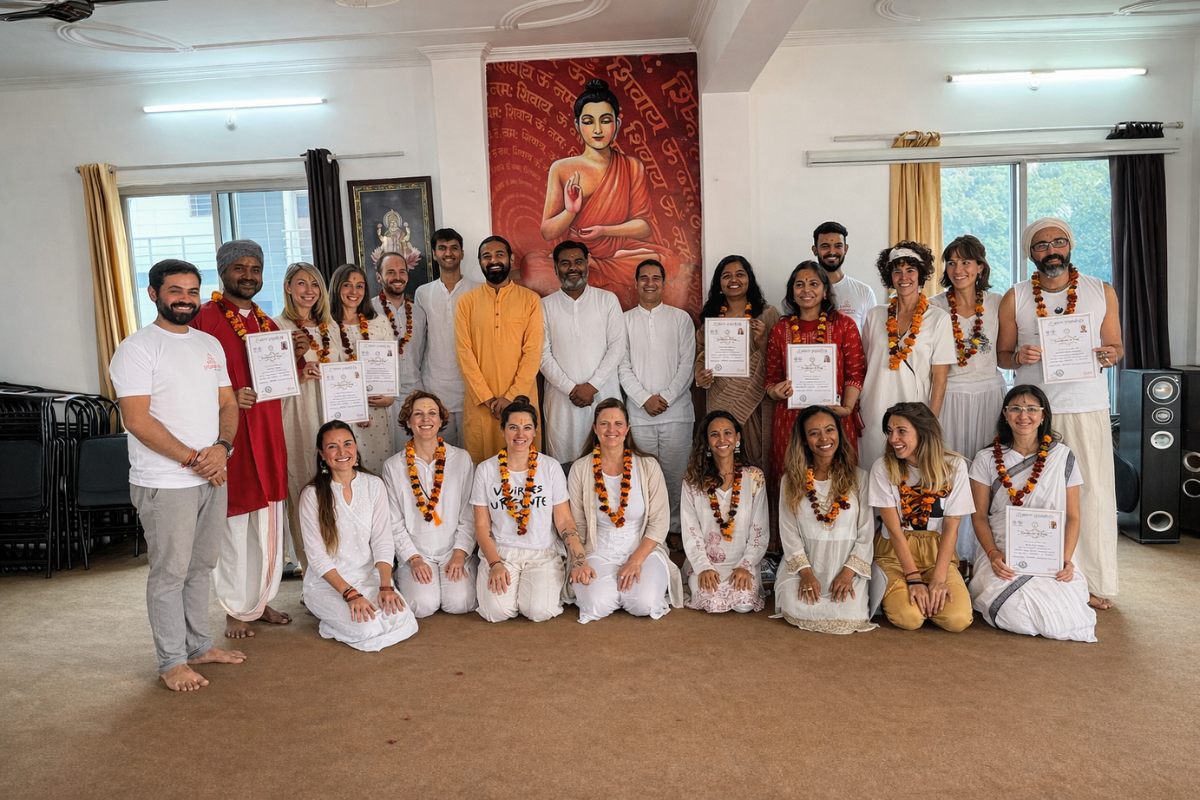
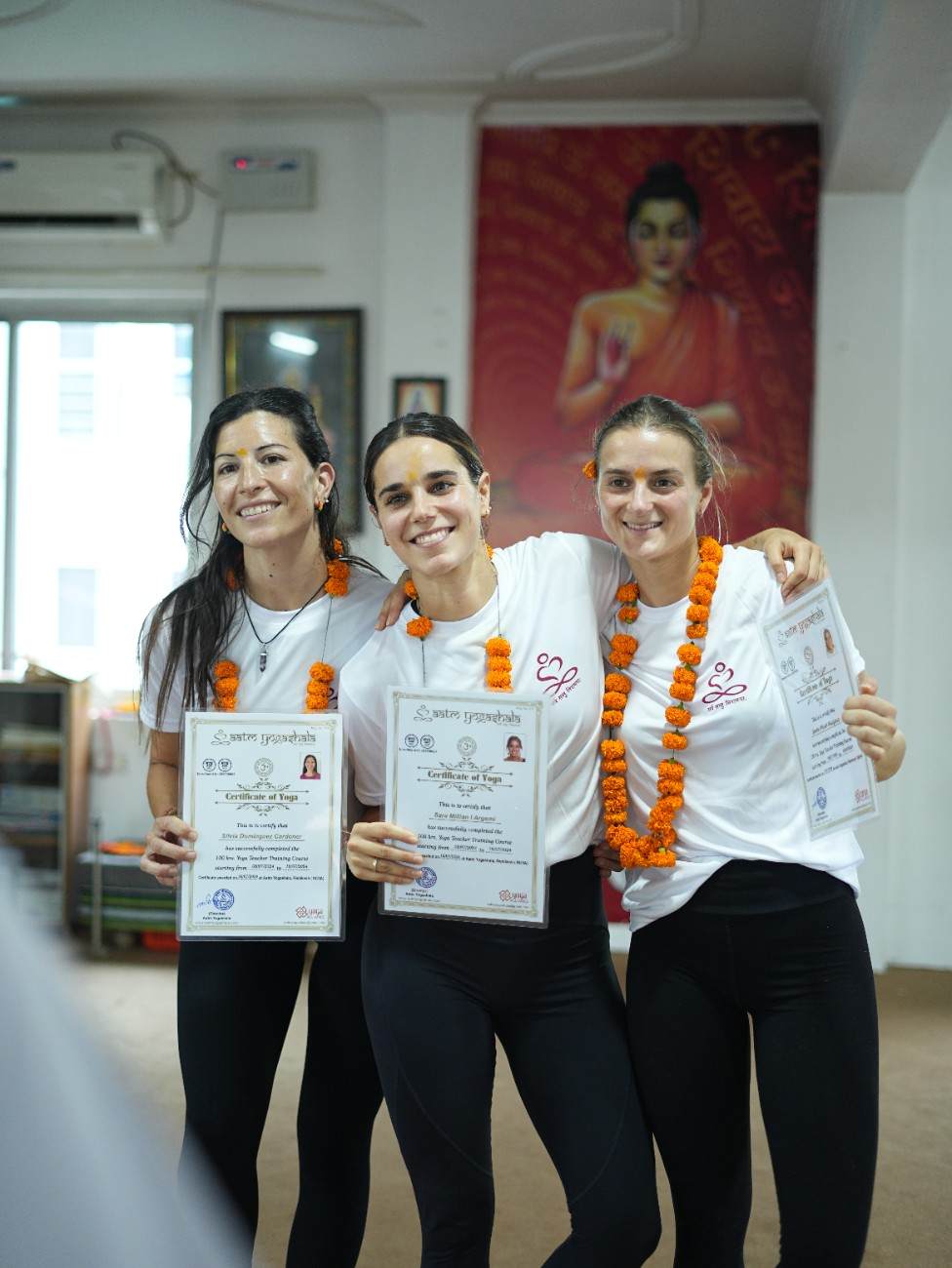
Upon successful completion of the 200 Hour Kundalini Yoga Teacher Training, you receive a Yoga Alliance USA registered certificate (RYS 200), recognized internationally by yoga studios, gyms, and wellness centers worldwide. This certification allows you to register as an RYT 200 with Yoga Alliance and teach professionally in any country.

Our certification process is thorough and hands-on — it isn't just about attendance. You'll be evaluated on your understanding of Kundalini philosophy, chakra and energy work, teaching methodology, and your ability to lead a safe, well-structured class. This ensures every graduate leaves not just certified, but genuinely ready to teach.

Evaluation:

The overall evaluation of Kundalini Yoga teacher training at aatm yogashala India based on below assessment:

  • Written assessment - Completion of assignment
  • Practical assessment - designing, sequencialising and conducting Yoga session
  • Student's conduct throughout the training will be an essential criteria
  • Attendance - minimum 90% wherein student must have presented the valid and agreed reason for 10% absenteeism

Career Opportunities: What You Can Do After 200 Hours

Completing your 200 Hour Kundalini Yoga Teacher Training at Aatm Yogashala opens diverse, fulfilling career pathways across the global yoga and wellness industry:

01

Register as a Certified RYT 200 with Yoga Alliance USA

Obtain global teaching credentials that allow you to conduct group classes, private sessions, and corporate wellness programs in studios, fitness centers, and luxury resorts across the globe.

02

Lead Specialized Kundalini & Chakra Balancing Workshops

Design and lead high-demand masterclasses on Tantra prana kriyas, pranayama breath science, chakra harmonization, mudras, bandhas, and Yoga Nidra deep relaxation.

03

Organize & Facilitate Transformational Yoga Retreats

Create your own immersive retreat experiences in scenic destinations, curating sacred daily routines combining dynamic Kundalini flows, mantra chanting, kirtan, and guided meditation.

04

Integrate Subtle Energy Science into Healing & Coaching

Enhance your existing work as an energy healer, life coach, breathwork practitioner, or psychotherapist by applying ancient Yogic-Tantric principles to release emotional and energetic blocks.

05

Pathway to Advanced 300 Hour & 500 Hour Master Certification

Your 200-hour foundation serves as the prerequisite to enroll in our advanced 300-hour yoga teacher training in Rishikesh, unlocking 500-hour master-level distinction.

Course Syllabus: 200 Hour Kundalini YTTC

  • Founder of Kundalini Yoga: Rooted in ancient Vedic and Tantric traditions of India, Kundalini Yoga was traditionally passed from Guru to disciple and later introduced to the modern world by spiritual masters.
  • History of Kundalini Yoga Practices: A sacred and ancient science focused on awakening dormant energy through disciplined practice, meditation, and breath control.
  • Difference Between Kundalini Yoga and Other Yoga Styles: Unlike regular yoga that focuses mainly on physical postures, Kundalini Yoga emphasizes energy activation through kriyas, pranayama, mantra, mudra, bandha, and meditation.
  • What Is Not Kundalini Yoga? It is not just physical exercise, random breathing techniques, or fast movements without proper guidance and traditional foundation.
  • Common Misunderstandings: Many believe Kundalini awakening is dangerous or instant, but with proper training, it is a gradual and safe spiritual process.
  • Kundalini Yoga in Different Traditions: Elements of Kundalini practices appear in Tantra, Hatha Yoga, Sikh traditions, and various global spiritual systems.
  • Is It Safe to Practice with Any Yoga Teacher? Since it works with subtle energy, learning from a qualified and experienced Kundalini Yoga teacher is essential.
  • Finding a True Master: Authentic guidance, lineage, experience, and balanced teaching methods are key when choosing a Kundalini Yoga school.
  • Different Traditions of Kundalini Yoga: Various lineages exist, but all share the same goal—awakening inner energy and expanding higher consciousness.

To ensure a safe and transformative experience in a Kundalini Yoga Teacher Training Course (TTC), participants should meet the following eligibility criteria:

  • Basic Knowledge of Yoga: Applicants should have a foundational understanding of yoga practices, including asana, pranayama, and basic yogic discipline.
  • Regular Meditation Practice: At least one year of consistent meditation practice is recommended to prepare the mind and nervous system for deeper Kundalini techniques.
  • Drug-Free Lifestyle: Participants must have abstained from drugs, including marijuana and other intoxicants, for at least one year prior to joining the Kundalini Yoga TTC.
  • Mental Health Stability: Individuals with serious mental health conditions are not eligible, as Kundalini Yoga works deeply with the subtle energy system and requires psychological stability.
  • Devotion & Respect for Tradition: A sincere attitude, trust in the teacher, and respect for the authentic yogic lineage are essential for successful learning.
  • Understanding Beyond Religion: Kundalini Yoga is a spiritual science, not a religion. Participants from all faiths are welcome, provided they understand and respect its universal and non-religious foundation.

These qualifications help maintain the integrity, safety, and authenticity of a Kundalini Yoga Teacher Training program.

Proper preparation is essential before joining a Kundalini Yoga Teacher Training Course (TTC). Since Kundalini practices work deeply with breath, awareness, and subtle energy, students should prepare both physically and mentally.

  • Correct Sitting Posture: Develop the ability to sit comfortably in a steady meditative posture for extended periods. Proper alignment supports energy flow and enhances concentration during pranayama and meditation.
  • Breathing & Relaxation Practice: Regular practice of deep, conscious breathing and relaxation techniques helps strengthen the lungs, calm the nervous system, and prepare the body for advanced Kundalini kriyas.
  • Focused Awareness Training: Learn to maintain steady focus on a specific point (such as the breath, mantra, or chakra) as guided by the teacher. Strong concentration is key to safe and effective Kundalini awakening.
  • Detox & Body Purification: Begin cleansing the body by following a sattvic diet, staying hydrated, and avoiding toxins. Removing physical impurities supports smoother energy activation during Kundalini Yoga TTC.

Proper preparation enhances safety, deepens spiritual growth, and allows students to fully benefit from the Kundalini Yoga Teacher Training experience.

In a traditional Kundalini Yoga practice, asanas are performed not only for physical strength but also for awakening chakras, balancing prana, and preparing the body for higher meditation. Below is a structured sequence of Traditional Kundalini Yoga Asanas used in authentic training programs.

Preparatory Practices – Pawanmuktasana Series

  • Pawanmuktasana Series 1: Foundational joint movements to release stiffness and prepare the body for traditional asanas.
  • Pawanmuktasana Series 2: Intermediate preparatory practices to improve flexibility and energy circulation.
  • Pawanmuktasana Series 3: Advanced preparatory movements to remove deeper blockages and enhance pranic flow.

Standing Asanas for Energy Activation

  • Tadasana (Mountain Pose): Establishes grounding and spiritual awareness.
  • Trikonasana (Triangle Pose): Stimulates the fire center (Manipura Chakra).
  • Parivrtta Trikonasana (Revolved Triangle Pose): Twists and activates energy channels.
  • Utkatasana (Chair Pose): Strengthens the lower body and stabilizes the base.
  • Virabhadrasana I, II & III (Warrior Poses): Build strength, confidence, and dynamic energy.
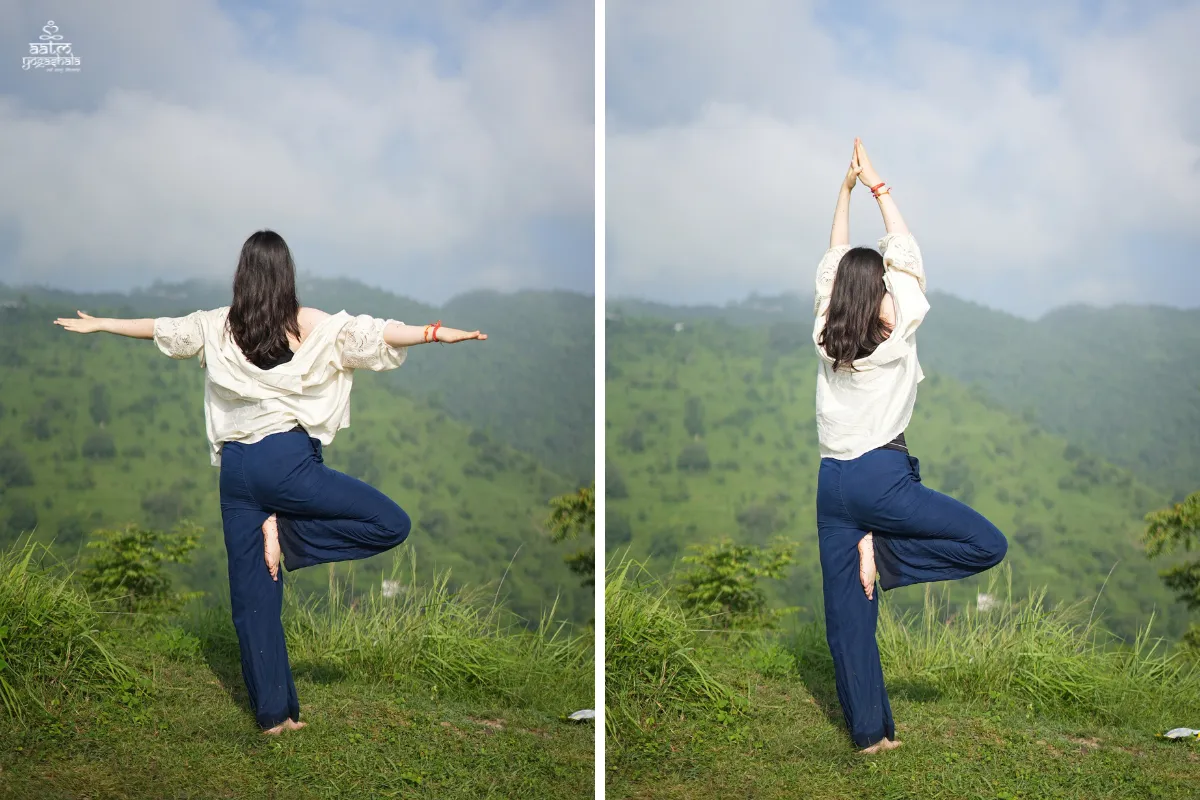
  • Vriksasana (Tree Pose): Enhances balance and mental focus.
  • Parvatasana (Mountain Variation): Promotes stillness and alignment.
  • Adho Mukha Svanasana (Downward Facing Dog): Develops steadiness and full-body awareness.
  • Kati Chakrasana (Waist Rotating Pose): Releases trapped energy from the spine.
  • Garudasana (Eagle Pose): Improves balance and coordination.
  • Padahastasana (Standing Forward Bend): Activates Muladhara Chakra and increases flexibility.

Seated & Hip-Opening Asanas

  • Baddha Konasana (Bound Angle Pose): Opens hips and releases tension from the Muladhara Chakra.
  • Vajrasana (Thunderbolt Pose): Cleanses Vajra Nadi and supports upward energy movement.
  • Supta Vajrasana (Reclining Thunderbolt Pose): Guides sexual energy toward higher chakras.
  • Paschimottanasana (Seated Forward Bend): Stretches the spine and calms the nervous system.
  • Janushirshasana (Head-to-Knee Pose): Reduces lethargy and increases vitality.
  • Ardha Matsyendrasana (Half Spinal Twist): Detoxifies organs and improves digestion.

Backbends & Core Strengthening

  • Bhujangasana (Cobra Pose): Awakens the heart chakra (Anahata).
  • Shalabhasana (Locust Pose): Strengthens lower back and sacral region.
  • Dhanurasana (Bow Pose): Improves digestion and removes sluggishness.
  • Ushtrasana (Camel Pose): Activates Manipura Chakra and expands chest energy.
  • Naukasana (Boat Pose): Strengthens the core and reduces anxiety.

Advanced Energy Practices & Kriyas

  • Sahaja Agnisar Dhauti: Awakens inner fire in the Manipura Chakra.
  • Uddiyana Bandha (Upward Flying Lock): Lifts pranic energy upward.
  • Nauli Kriya: Cleanses the abdominal region and balances Kapha, Vata, and Pitta.
  • Ardha Shirshasana (Half Headstand): Rejuvenates brain cells and improves circulation.
  • Shashankasana (Hare Pose): Reduces stress and emotional tension.
  • Pavanamuktasana: Massages internal organs and supports detoxification.
  • Prarthanasana (Prayer Pose): Cultivates humility and devotion in practice.

These Traditional Kundalini Yoga Asanas systematically purify the body, awaken dormant energy, and prepare practitioners for deeper pranayama, bandha, mudra, and meditation practices.

In Kundalini Yoga, a Kriya is a powerful and structured sequence of asanas (postures), pranayama (breath control), mudras, mantras, and meditation designed to achieve a specific physical, mental, or spiritual outcome. Each kriya creates a precise combination of movements, breath patterns, and sound vibrations that stimulate the nervous system, balance the chakras, and awaken dormant Kundalini energy.

Core Principles in Kundalini Yoga

  • Principles of the Ten Bodies: Kundalini Yoga teaches the awareness and balance of the Ten Spiritual Bodies, including the physical body, mind aspects, and subtle energy bodies. Understanding these principles helps practitioners develop strength, intuition, and higher consciousness.
  • Pranayama & Meditation Sets: A structured combination of breathing techniques and meditation practices is used to purify the nadis (energy channels), increase lung capacity, and activate the Sushumna Nadi for spiritual awakening.

What You Will Learn

  • Basic Breath Series Meditation (Series 1–3): Foundational breathing meditations that strengthen focus, expand prana, and stabilize the mind.
  • Sodarshan Chakra Kriya (Level 1–2): Advanced cyclical breathing practices that cleanse the subconscious mind and balance the chakra system.
  • Sadhana Mantra for the Aquarian Age: Sacred mantra chanting to elevate consciousness, build spiritual discipline, and align with higher vibrational awareness.

These Kundalini Yoga practices systematically prepare the body, mind, and energy system for deep transformation, self-mastery, and inner awakening.

The following Kundalini Yoga postures (asanas) are practiced to build strength, increase flexibility, stimulate the nervous system, and activate dormant energy:

  • Archer Pose (Virabhadrasana variation)
  • Back Rolls
  • Backward Stretch
  • Boat Pose (Naukasana)
  • Bow Pose (Dhanurasana)
  • Bridge Pose (Setu Bandhasana)
  • Butterfly Pose (Baddha Konasana)
  • Camel Pose (Ustrasana)
  • Cat–Cow Stretch
  • Cat Stretch
  • Cobra Pose (Bhujangasana)
  • Chair Pose (Utkatasana)
  • Corpse Pose (Savasana)
  • Celibate Pose
  • Crow Pose (Bakasana)
  • Guru Pranam
  • Ego Eradicator
  • Frog Pose
  • Standing & Sitting Forward Bends
  • Fish Pose (Matsyasana)
  • Kundalini Lotus Pose
  • Leg Lifts
  • Life Nerve Stretch
  • Locust Pose (Shalabhasana)
  • Neck Rolls
  • Maha Mudra Kriya
  • Pelvic Lifts
  • Platform Pose (Front & Back)
  • Plow Pose (Halasana)
  • Sat Kriya
  • Shoulder Stand (Sarvangasana)
  • Shoulder Shrugs

These postures are integrated into Kundalini Yoga kriyas to systematically balance chakras, strengthen the body, and elevate consciousness.

Preparatory practices are essential before beginning Kundalini Yoga asanas, as they help students develop awareness of the body, mind, and senses. In Kundalini Yoga, the body is considered a sacred temple and a manifestation of nature. These gentle movements recharge the organs, improve circulation, and prepare practitioners to sit comfortably for longer meditation and Kundalini awakening practices.

Warm-Up & Joint Mobilization Exercises

  • General Warm-Up Exercises: Light movements to increase blood flow and awaken body awareness.
  • Feet & Ankle Rotations: Improve grounding and stability.
  • Knee Movements: Strengthen and lubricate knee joints.
  • Hip Rotations & Movements: Release tension and enhance flexibility in the pelvic region.
  • Leg Cradle Practice: Opens hips and prepares for seated postures.
  • Side Bending Exercises: Stretch the spine and activate energy channels.
  • Arm Movements & Arm Swings: Improve shoulder mobility and circulation.
  • Elbow Rotations: Maintain joint flexibility.
  • Wrist & Hand Movements: Prepare for mudras and weight-bearing poses.
  • Neck Exercises: Relieve stiffness and improve pranic flow to the brain.
  • Chin, Jaw, Mouth, Tongue, Eye & Head Exercises: Release subtle tension and enhance sensory awareness.

These preparatory exercises ensure the body is relaxed, energized, and fully ready for deeper Kundalini Yoga asana, pranayama, and meditation practices.

Kirtan and mantra chanting are powerful practices in Kundalini Yoga that help practitioners connect with higher consciousness and awaken inner devotion. Through sacred sound vibrations, students learn to express their feelings toward the Divine and experience a deep sense of peace and joy within.

Chanting mantras and participating in kirtan creates a positive and uplifting atmosphere, purifies the mind, and raises collective energy. During the training, students learn traditional mantras and kirtan techniques so they can confidently guide their own classes, create a spiritually charged environment, and inspire joy, harmony, and elevated awareness in their students.

Energy locks, known as Bandhas, are essential techniques in Kundalini Yoga that help control, direct, and elevate pranic energy within the body. These practices support safe Kundalini awakening by guiding energy through the central channel (Sushumna Nadi).

  • Root Energy Lock (Moola Bandha): Activates the base energy at the Muladhara Chakra and supports the upward rise of Kundalini from the root center.
  • Abdominal Energy Lock (Uddiyana Bandha): Stimulates the solar plexus region and helps push awakened energy upward through the spine.
  • Throat Energy Lock (Jalandhara Bandha): Regulates energy flow in the upper chakras and prevents the dissipation of prana.
  • Great Energy Lock (Maha Bandha): A combination of all three bandhas that balances the entire energy system and prepares the practitioner for deeper Kundalini activation.

Regular practice of these Kundalini Yoga bandhas strengthens the nervous system, improves concentration, and enhances spiritual growth.

Kundalini Tantra Mudras are sacred hand gestures and energetic seals used to channel prana (life force energy), balance chakras, and support Kundalini awakening. These mudras enhance concentration, emotional balance, and spiritual awareness when practiced with proper guidance.

  • Jnana Mudra & Chin Mudra: Balance the fire and air elements in the body, improve concentration, and deepen meditation practices.
  • Yoni Mudra: Invokes the primal creative energy from the source of creation, promoting inner stillness and connection to divine feminine power.
  • Bhairava Mudra: Symbolizes the union of individual consciousness with supreme consciousness, fostering inner harmony and non-dual awareness.
  • Hridaya Mudra: Strengthens heart vitality, releases suppressed emotions, and helps resolve emotional conflicts by balancing the heart chakra.
  • Shambhavi Mudra: Enhances mental stability, sharpens focus, and guides the practitioner toward a thought-free meditative state.
  • Khechari Mudra: A higher yogic practice that helps preserve subtle nectar (amrita) at the Vishuddha Chakra, reducing hunger and thirst while rejuvenating the entire system.
  • Viparita Karani Mudra: Balances thyroid function and harmonizes Ida and Pingala nadis, allowing Kundalini energy to flow smoothly through the Sushumna Nadi.

These Kundalini Tantra Mudras play a vital role in deepening meditation, balancing the subtle body, and accelerating spiritual evolution.

Yoga Nidra, often known as yogic sleep, is a powerful guided meditation practice that promotes deep relaxation and subconscious healing. For a Kundalini practitioner, Yoga Nidra is essential to balance intense energy practices and restore the nervous system.

Importance of Yoga Nidra for Kundalini Practitioners

Kundalini Yoga works deeply with prana and the subtle energy system. Yoga Nidra helps integrate these energetic shifts, reduce mental tension, and stabilize emotional fluctuations. It prepares the mind and body for safe and steady Kundalini awakening.

Types of Yoga Nidra in Kundalini Sadhana

  • Deep Relaxation Yoga Nidra: Systematically relaxes the physical body, calms the mind, and releases accumulated stress from muscles and organs.
  • Subtle Body Awakening Yoga Nidra: Guides awareness through chakras and energy channels, enhancing pranic sensitivity and inner consciousness.
  • 31-Point Blue Star Yoga Nidra: A focused meditation technique that rotates awareness through 31 specific body points, sharpening concentration and activating subtle energy centers.

Regular practice of Yoga Nidra in Kundalini Yoga supports deep healing, heightened awareness, and balanced spiritual growth.

Kundalini Tantra Philosophy explains the spiritual science behind Kundalini Yoga and the awakening of inner energy.

  • Introduction to Kundalini Yoga: A path of awakening dormant energy at the base of the spine and guiding it toward higher consciousness.
  • Understanding Chakras: Chakras are seven main energy centers—Mooladhara, Swadhisthana, Manipura, Anahata, Vishuddhi, Ajna, and Sahasrara—that govern physical, emotional, and spiritual balance.
  • Kundalini Awakening Process: Through asana, pranayama, mantra, mudra, and meditation, energy rises safely through the Sushumna Nadi.
  • Mantra & Shaktipata: Sacred sounds and energy transmission help accelerate spiritual growth.
  • Sexual Energy & Brahmacharya: Tantra views sexual energy as a creative force that can be transformed through discipline and moderation for higher awareness.

This philosophy forms the foundation for safe and authentic Kundalini Yoga practice.

Satsang is an essential part of Kundalini Yoga Teacher Training, offering deep spiritual guidance and wisdom from an experienced master. Through Guruji’s inspiring teachings, students receive clarity, motivation, and practical insight to support their Kundalini awakening journey.

The Kundalini TTC not only transforms your practice during the course but also provides lifelong direction for personal and spiritual growth. Even after completing the training, students can continue to seek guidance and ask questions, ensuring ongoing support from their teacher on the path of self-realization.

As part of the holistic experience, students have the opportunity to participate in an Indian classical dance class, a beautiful and uplifting practice that promotes relaxation, joy, and emotional expression.

Indian classical dance incorporates powerful mudras (hand gestures) and symbolic movements rooted in the philosophy of Shiva and Shakti, representing the union of masculine and feminine energies. This sacred art form enhances body awareness, rhythm, grace, and energetic balance—supporting overall well-being alongside your Kundalini Yoga practice.

Surya Kriya is a powerful Kundalini Yoga practice designed to awaken inner strength and activate hidden potential. Inspired by the flow of Sun Salutation in the beginning, this kriya gradually moves beyond physical movement to stimulate the body’s energy centers and create complete balance.

Practiced with specific Bija Mantras (seed sounds), Surya Kriya enhances pranic flow, strengthens the solar plexus (Manipura Chakra), and builds vitality, focus, and inner stability. Regular practice helps harmonize the body, mind, and subtle energy system, supporting deeper Kundalini awakening and spiritual growth.

Kundalini Sadhana is a disciplined spiritual practice designed to awaken inner energy and elevate consciousness through mantra, meditation, and focused awareness. It builds a strong foundation for safe and steady Kundalini awakening.

  • Kundalini Mantra Chanting: Sacred sound vibrations to purify the mind and activate subtle energy centers.
  • Devi Prayer: Invoking divine feminine energy for protection, strength, and guidance.
  • Tratak (Gazing Meditation): Enhances concentration and stimulates the Ajna Chakra.
  • Maun Sadhana (Silence Practice): Cultivates inner awareness and mental clarity.
  • Shiva-Shakti Sadhana: Balances masculine and feminine energies within.
  • Japa Sadhana: Repetitive mantra chanting to deepen meditation and focus.

Meditation & Preparation

  • Preparation for Kundalini Meditation: Developing proper posture, breath awareness, and mental steadiness.
  • Creating a Strong Foundation: Gradual purification of body and mind before advanced practices.
  • Developing Concentration: Training the mind to remain focused on a single point or chakra.
  • Chakra Cleansing & Activation: Techniques to open and balance energy centers.
  • Mantra Meditation for Different Deities: Specific mantras connected to various chakras for deeper spiritual alignment.
  • Managing Disturbances in Meditation: Understanding and overcoming distractions, emotional fluctuations, and energy shifts during Kundalini meditation.

Kundalini Sadhana strengthens discipline, enhances awareness, and supports authentic spiritual growth through structured daily practice.

Yogic detox and cleansing exercises, also known as Shatkarma practices, are essential in Kundalini Yoga for purifying the body and preparing the energy system for higher spiritual practices. These techniques remove toxins, clear energy blockages, and support safe Kundalini awakening.

  • Jala Neti: Nasal cleansing with warm saline water to purify the sinus passages and improve breathing.
  • Rubber Neti (Sutra Neti): Advanced nasal cleansing technique to remove deeper blockages and enhance pranic flow.
  • Jihwa Dhauti: Tongue cleansing practice to remove toxins and stimulate digestive health.
  • Agnisar Kriya: Activates the digestive fire (Manipura Chakra) and detoxifies abdominal organs.
  • Kunjal Kriya: Yogic stomach cleansing technique that removes excess acidity and impurities.
  • Kapalbhati: Powerful breathing practice that detoxifies lungs and energizes the mind.
  • Tratak: Concentrated gazing meditation that cleanses the eyes and strengthens mental focus.

These traditional yogic cleansing practices support physical purification, mental clarity, and balanced energy flow in Kundalini Yoga.

Tantra Prana Kriya, also known as Tantric Breathing Practices, focuses on conscious control of breath to awaken Kundalini energy, balance the nervous system, and purify the subtle body. These powerful pranayama techniques enhance pranic flow and activate higher awareness.

  • Kosthya Swasa (Diaphragmatic Breathing): Deep abdominal breathing that prolongs and smoothens the breath, improving lung capacity and calming the mind.
  • Kapalbhati: A dynamic cleansing breath that stimulates the Third Eye (Ajna Chakra) and supports emotional purification.
  • Bhastrika: Bellows breathing technique that awakens the inner fire (Manipura Chakra) and promotes emotional strength and stability.
  • Bhramari: Humming bee breath that transforms brainwave patterns and purifies the Ajna and Sahasrara Chakras.
  • Nadi Shodhanam: Alternate nostril breathing that balances both brain hemispheres and activates the Sushumna Nadi for Kundalini awakening.
  • Dynamics of Breath: Understanding rhythm, retention (kumbhaka), and flow to regulate prana effectively.
  • Upper Sushumna Breathing: Directing breath awareness toward higher chakras to elevate consciousness.
  • Lower Sushumna (Spinal Breathing): Guiding breath along the spine to awaken dormant energy safely.
  • Understanding Prana and Swasa: Learning the science of life-force energy and its connection with breath for deeper spiritual practice.

These Tantric breathing techniques play a vital role in Kundalini Yoga by strengthening vitality, enhancing focus, and preparing the practitioner for higher states of meditation and energy awakening.

Kriya Yoga for Kundalini Awakening is a systematic and disciplined approach to activating dormant spiritual energy through breath, posture, concentration, and chakra-based practices. These techniques are designed to purify the body, balance the mind, and safely elevate prana through the Sushumna Nadi.

Rules and Preparation

  • Following proper guidance from an experienced teacher
  • Maintaining a sattvic diet and disciplined lifestyle
  • Practicing regular meditation and breath awareness
  • Preparing the body through cleansing and foundational asanas

Postures (Asana Practice)

Specific yogic postures are practiced to strengthen the spine, stimulate energy centers, and prepare the nervous system for higher kriya techniques.

Chakra Sadhana (Energy Center Practices)

  • Ajna Chakra Practices: Meditation, tratak, and focused breathing to awaken intuition and higher awareness.
  • Mooladhara Chakra Practices: Grounding postures and root lock techniques to activate base energy.
  • Swadhisthana Chakra Practices: Hip-opening asanas and breathwork to balance creativity and emotions.
  • Manipura Chakra Practices: Fire-based kriyas and core strengthening to awaken inner power.
  • Anahata Chakra Practices: Heart-opening postures and mantra chanting to cultivate love and compassion.
  • Vishuddhi Chakra Practices: Breath control and chanting to purify communication and expression.
  • Bindu Activation Practices: Subtle meditative techniques to preserve and elevate higher spiritual energy.

Chakra Awareness Practices

Systematic meditation and visualization methods to develop sensitivity to the chakra system and support balanced Kundalini awakening.

These Kriya Yoga practices build a strong foundation for safe, gradual, and authentic Kundalini energy activation.

India has been a sacred land of Tantra and Kundalini practices for thousands of years, where Shiva represents divine masculine energy and Shakti symbolizes divine feminine energy. The union of these two forces is the essence of Kundalini awakening.

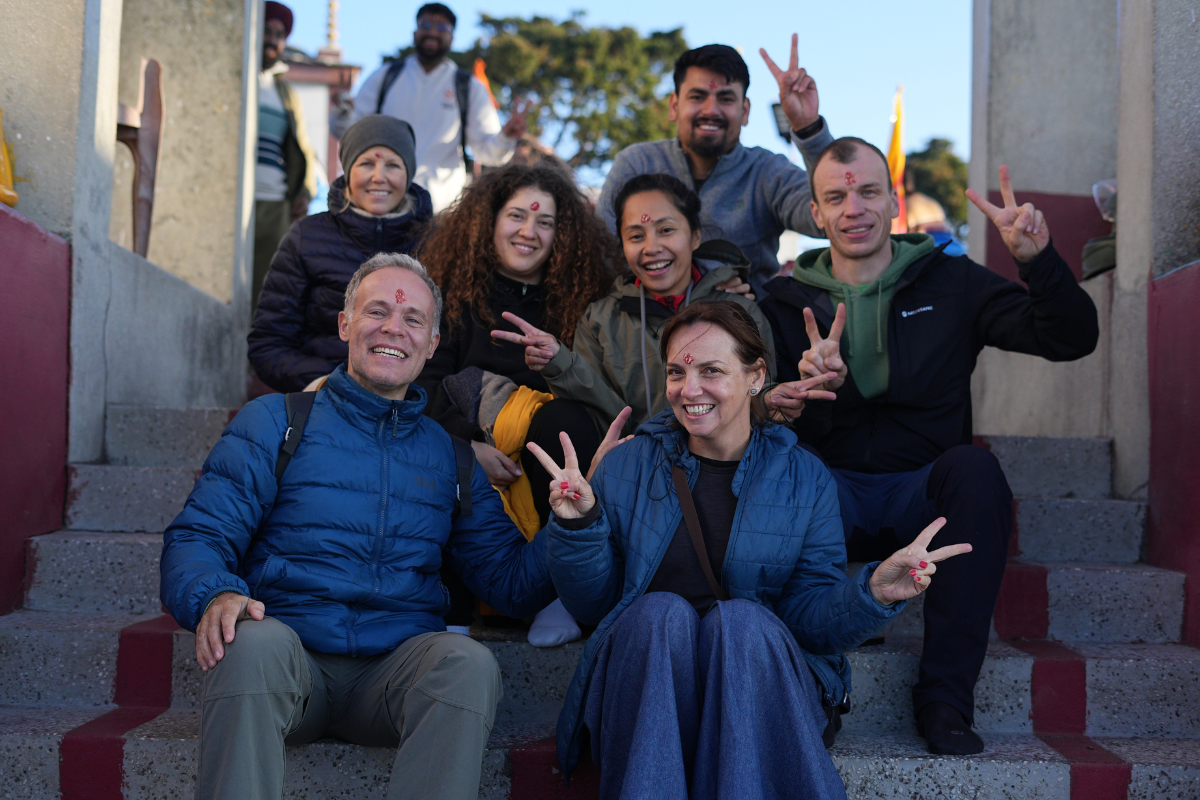
As part of the spiritual journey, students visit the revered Kunjapuri Devi Temple and other powerful Shakti temples in the Himalayan region. These sacred visits allow practitioners to experience elevated vibrations, deepen devotion, and connect with the living energy of the Divine Mother.

Temple visits enhance spiritual awareness, strengthen inner faith, and provide a direct experience of the transformative power of Kundalini energy in its traditional Tantric roots.

Mantra Diksha (Spiritual Initiation) is a sacred process in Kundalini and Tantric traditions, where a realized master transmits a powerful mantra to the student for spiritual growth and inner awakening.

Under the sacred guidance of experienced Himalayan masters and lineage gurus at Aatm Yogashala, students receive their first step of mantra initiation. This sacred initiation marks the beginning of a committed spiritual journey, helping practitioners establish a strong foundation in meditation, discipline, and higher consciousness.

Mantra Diksha supports focused practice, purifies the mind, and guides students toward deeper Kundalini awakening and self-realization.

Kundalini Anatomy explores the subtle and physical energy systems of the body that play a vital role in Kundalini awakening. Understanding this inner structure is essential for safe and effective Kundalini Yoga practice.

  • Nadis (Energy Channels): Subtle pathways through which prana (life force energy) flows. The three main nadis—Ida, Pingala, and Sushumna—are central to Kundalini activation.
  • Chakras: Seven primary energy centers located along the spine that regulate physical, emotional, and spiritual balance.
  • Panchakosha (Five Sheaths): The five layers of human existence—physical, energetic, mental, intellectual, and bliss body—explaining the multidimensional nature of consciousness.
  • Respiratory System: Breath is the bridge between body and mind. Proper pranayama strengthens lung capacity and supports pranic flow through the nadis.
  • Swadhisthana Chakra: The sacral energy center associated with creativity, emotions, and reproductive energy—an important focus in Kundalini practices.
  • Nervous System: A strong and balanced nervous system is essential for handling the intense energy shifts experienced during Kundalini awakening.

A clear understanding of Kundalini anatomy provides the foundation for deeper meditation, energy balance, and spiritual transformation.

Shaktipat (Energy Transmission) is a sacred process in Kundalini Yoga where spiritual energy is transmitted from an awakened master to a sincere student. Just as one light can ignite another, true Kundalini awakening is traditionally guided by a teacher who has direct experience of higher consciousness.

Kundalini Yoga should always be practiced under the supervision of an experienced and realized guide. Under the blessings and spiritual guidance of our revered Himalayan masters and lineage teachers at Aatm Yogashala, students receive proper direction and energetic support.

Shaktipat plays a crucial role in spiritual transformation, accelerating inner growth, deepening meditation, and ensuring safe and balanced Kundalini awakening.

Daily Kundalini Schedule (Sample Routine)

The 200-Hour Kundalini Yoga Teacher Training at Aatm Yogashala follows a balanced, traditional ashram routine designed to support steady energetic awakening without physical exhaustion.

Time Activity
06:00 - 06:45 am Pranayama
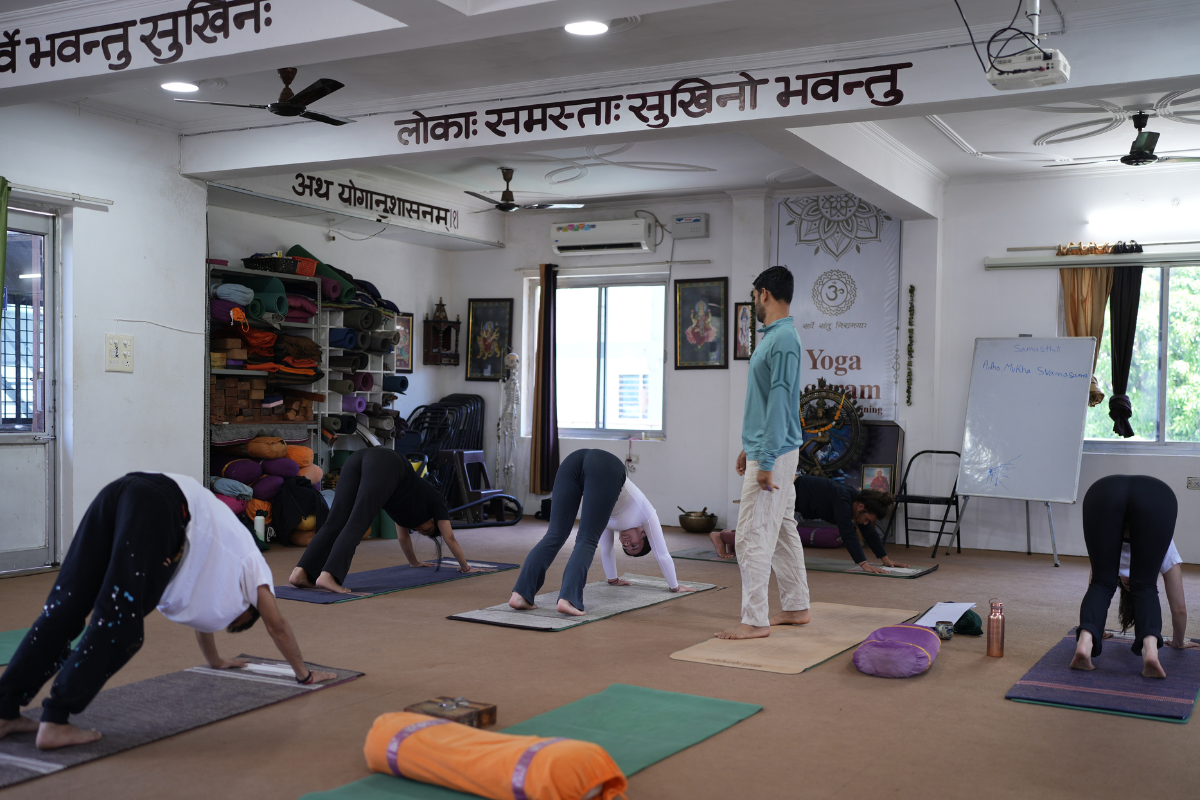
07:00 - 08:30 am Kundalini Yoga
08:30 - 09:45 am Breakfast
10:00 - 11:00 am Yoga Philosophy
11:15 am - 12:15 pm Ayurveda & Anatomy
12:30 - 01:30 pm Alignment & Adjustment
01:30 - 02:00 pm Lunch
02:00 - 04:00 pm Free Time
04:00 - 05:30 pm Ashtanga-Vinyasa
05:30 - 06:00 pm Tea & Relax
06:00 - 07:00 pm Meditation & Mantra Chanting
07:00 - 07:30 pm Self Study
07:30 - 08:30 pm Dinner

Excursions: Beyond the Courses

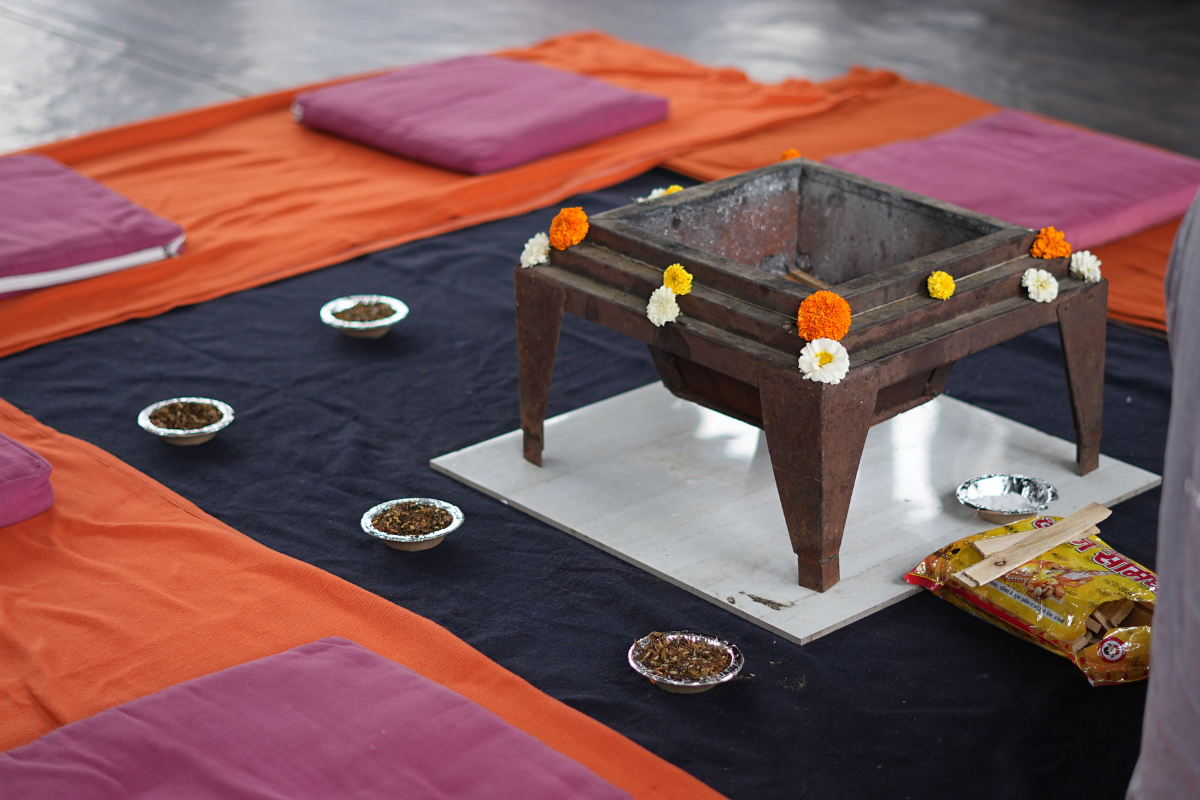
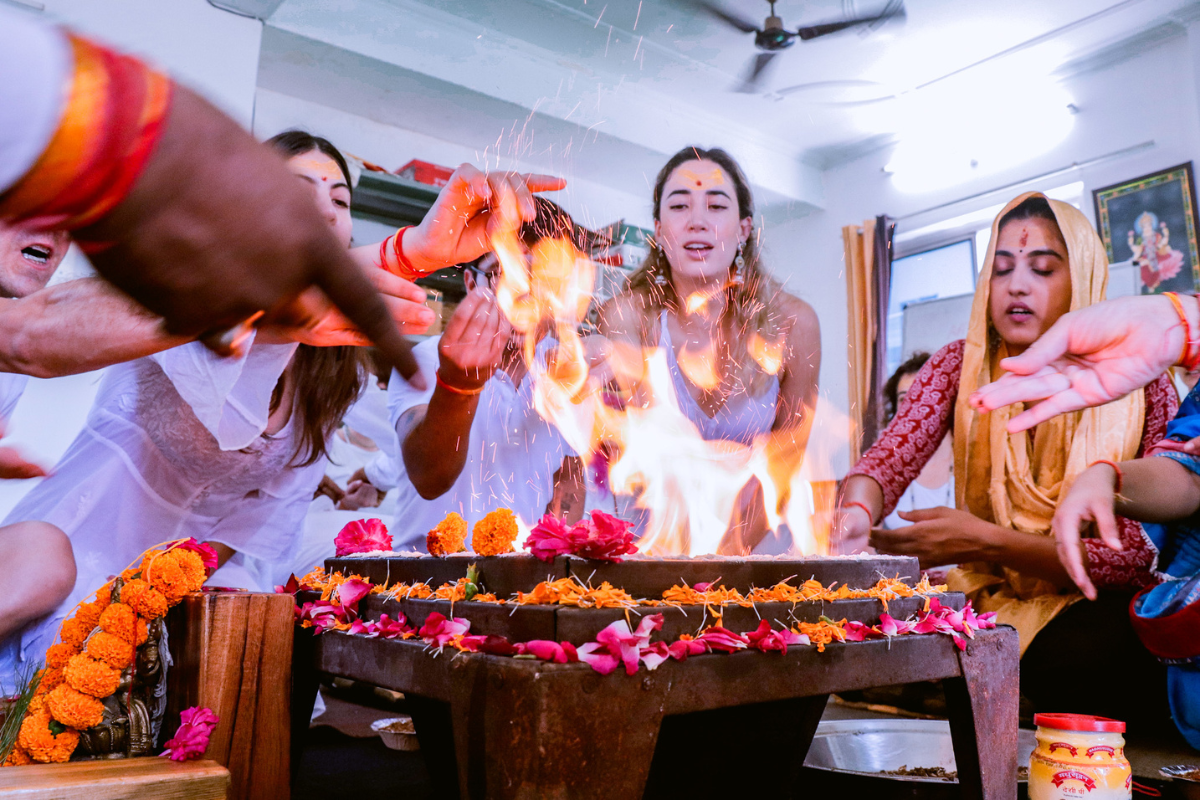
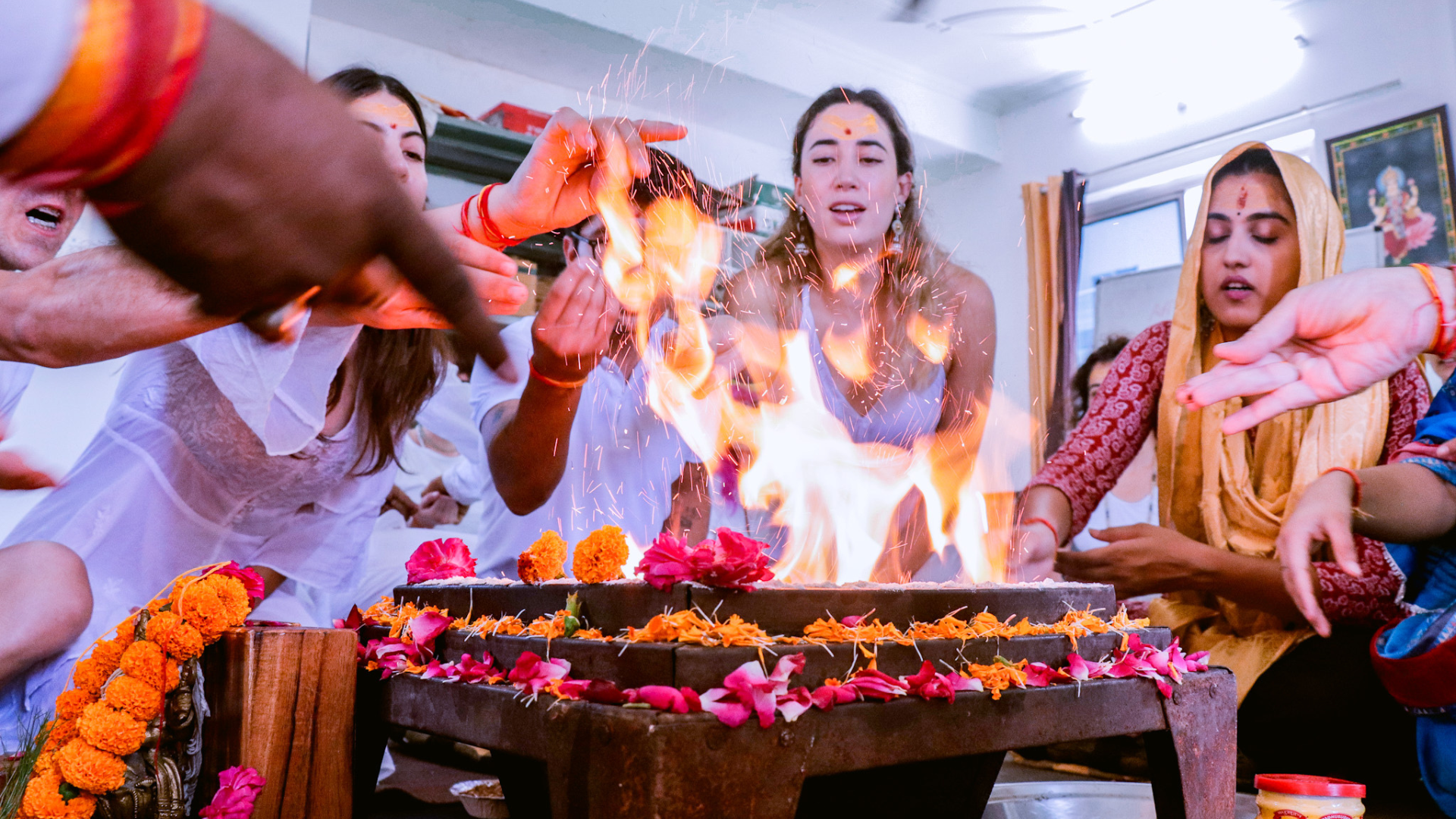
opening hawan fire ceremony yoga retreat Rishikesh spiritual ritual India

OPENING HAWAN

Opening Hawan (Fire Ceremony)

sunrise view himalayas kunjapuri temple Rishikesh scenic mountain view India

SUNRISE VIEW

Kunjapuri/Balkumari Temple

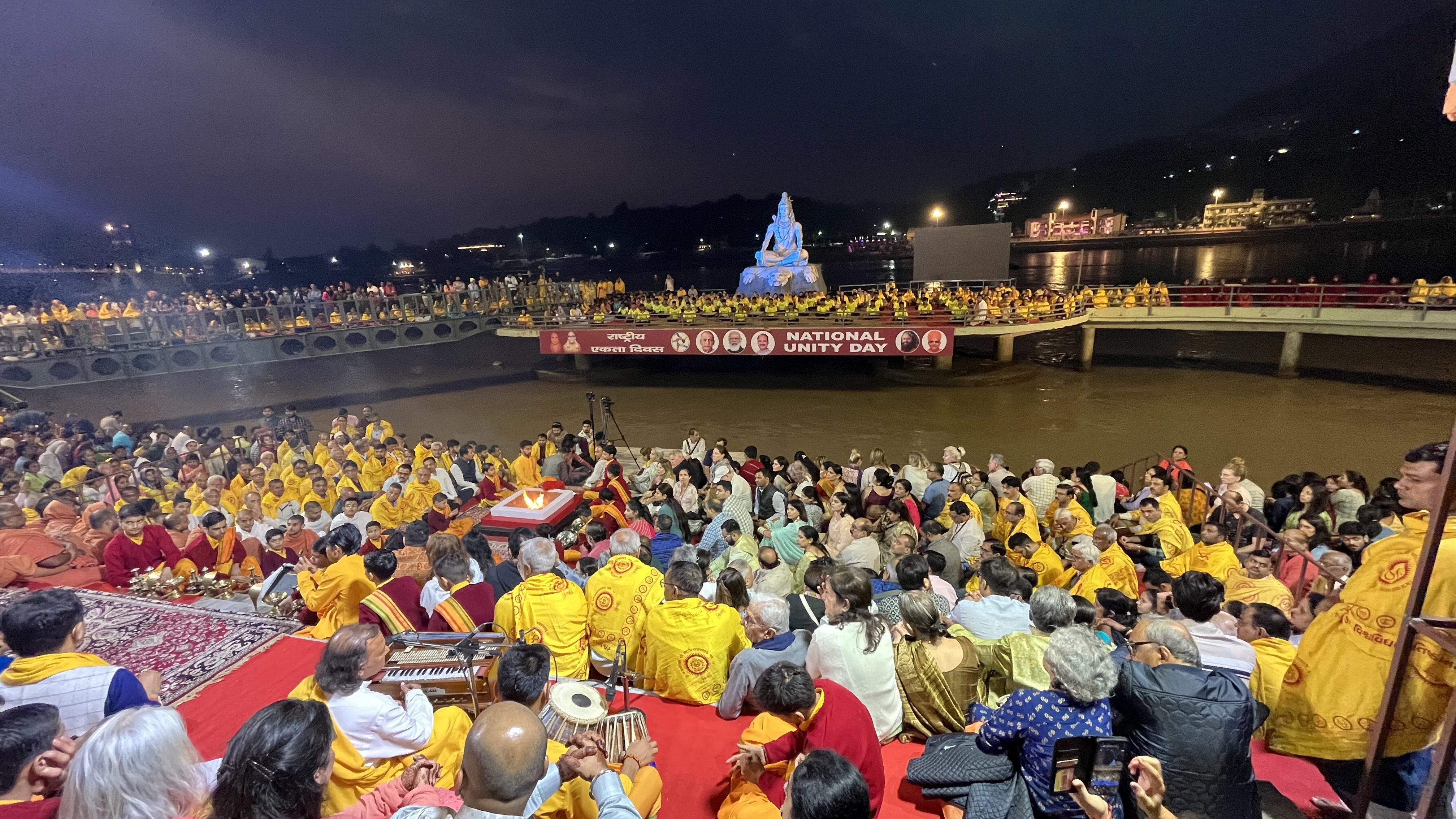
ganga aarti rishikesh parmarth niketan spiritual evening ritual ganges river

GANGA AARTI

Parmarth Niketan Ashram

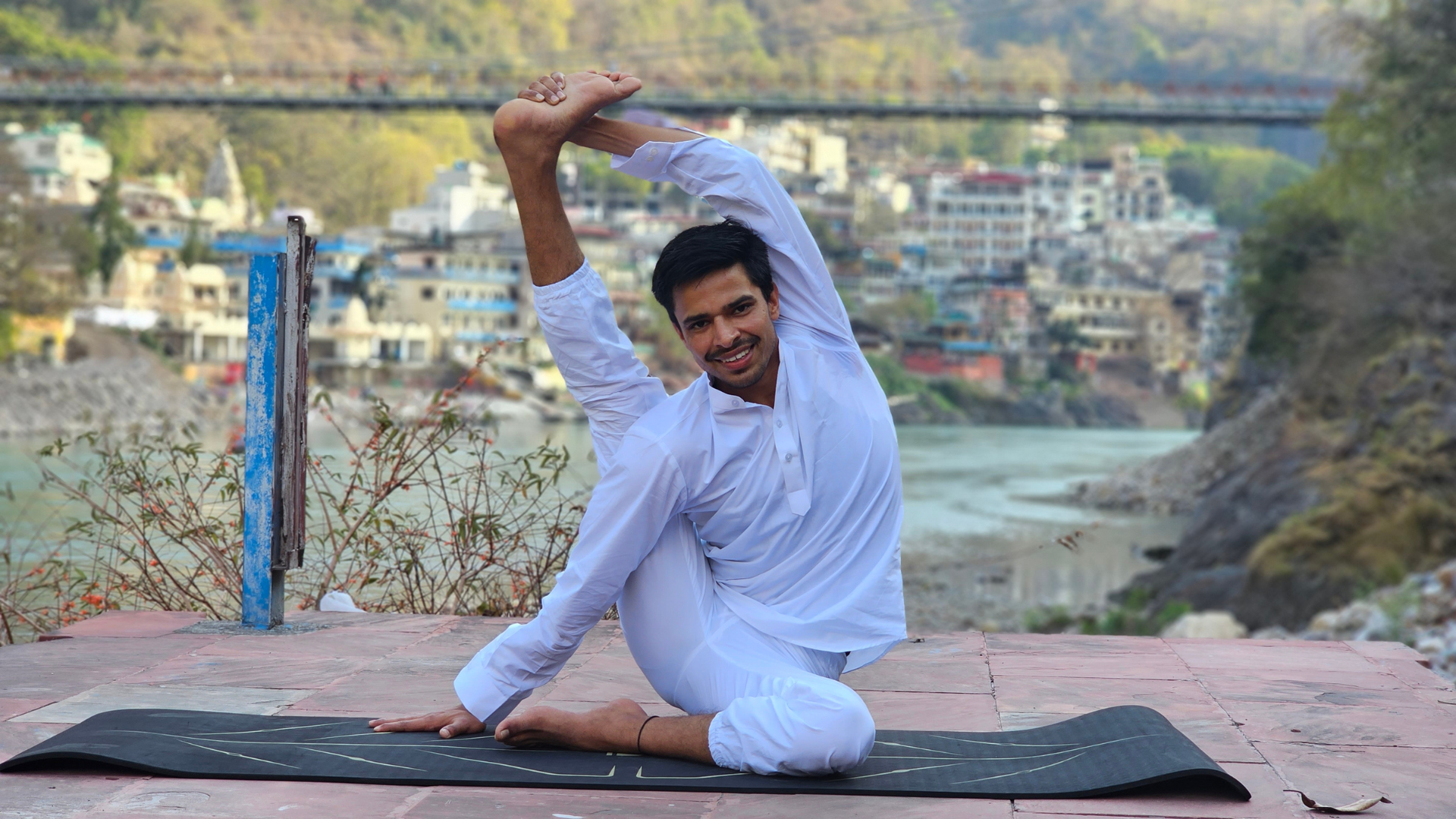
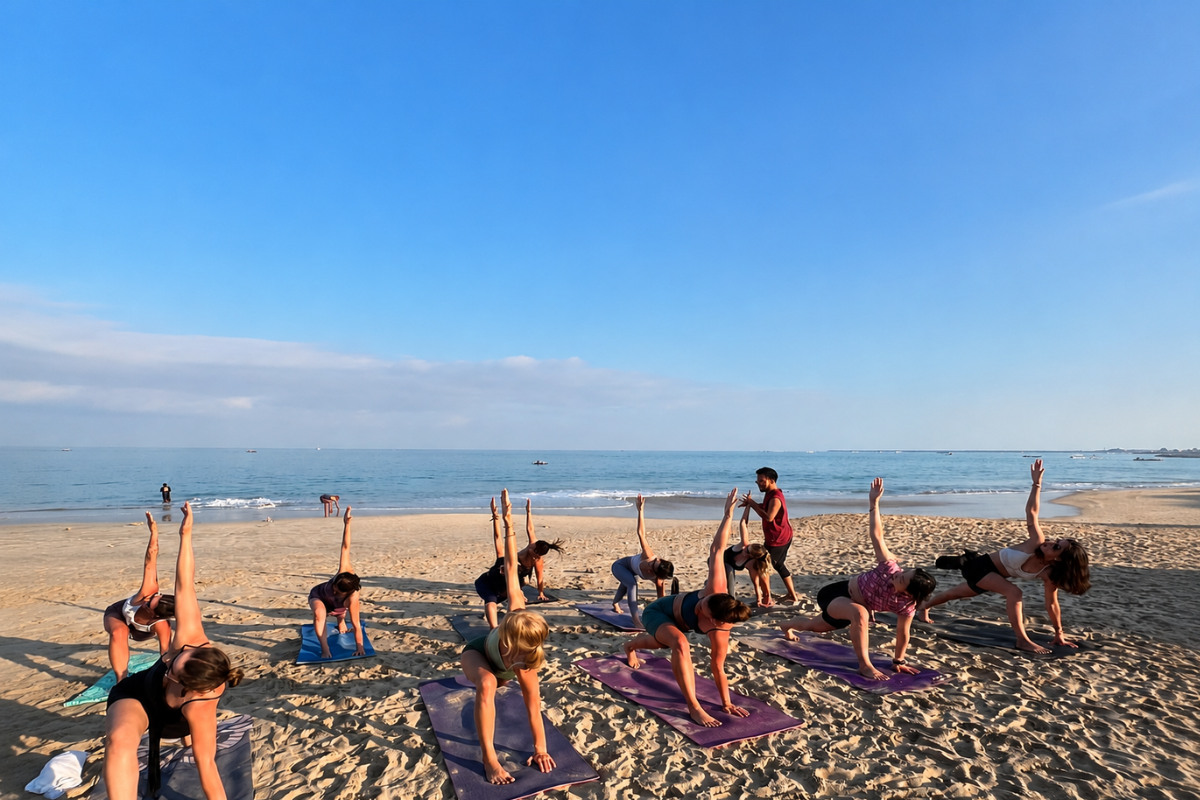
outdoor yoga by ganges river Rishikesh himalaya nature yoga session India

OUTDOOR YOGA

Yoga by the Ganges

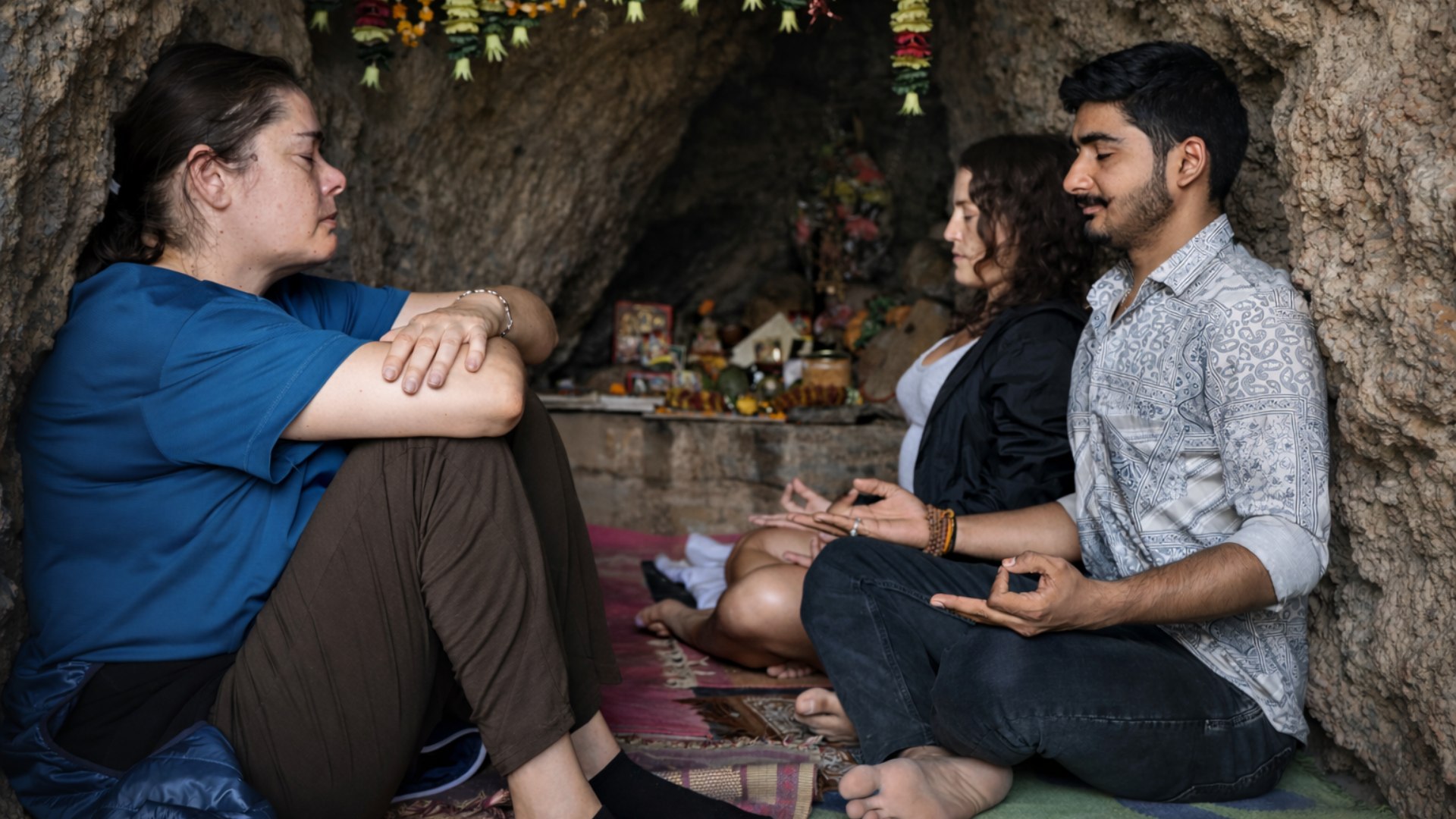
meditation cave rishikesh vashishta cave spiritual meditation himalaya India

MEDITATION CAVE

Meditation Cave Tour (Mouni/Vashishtha)

bhootnath temple rishikesh sunset view spiritual place uttarakhand india

BHOOTNATH TEMPLE

13th floor Bhootnath Temple (Sunset view)
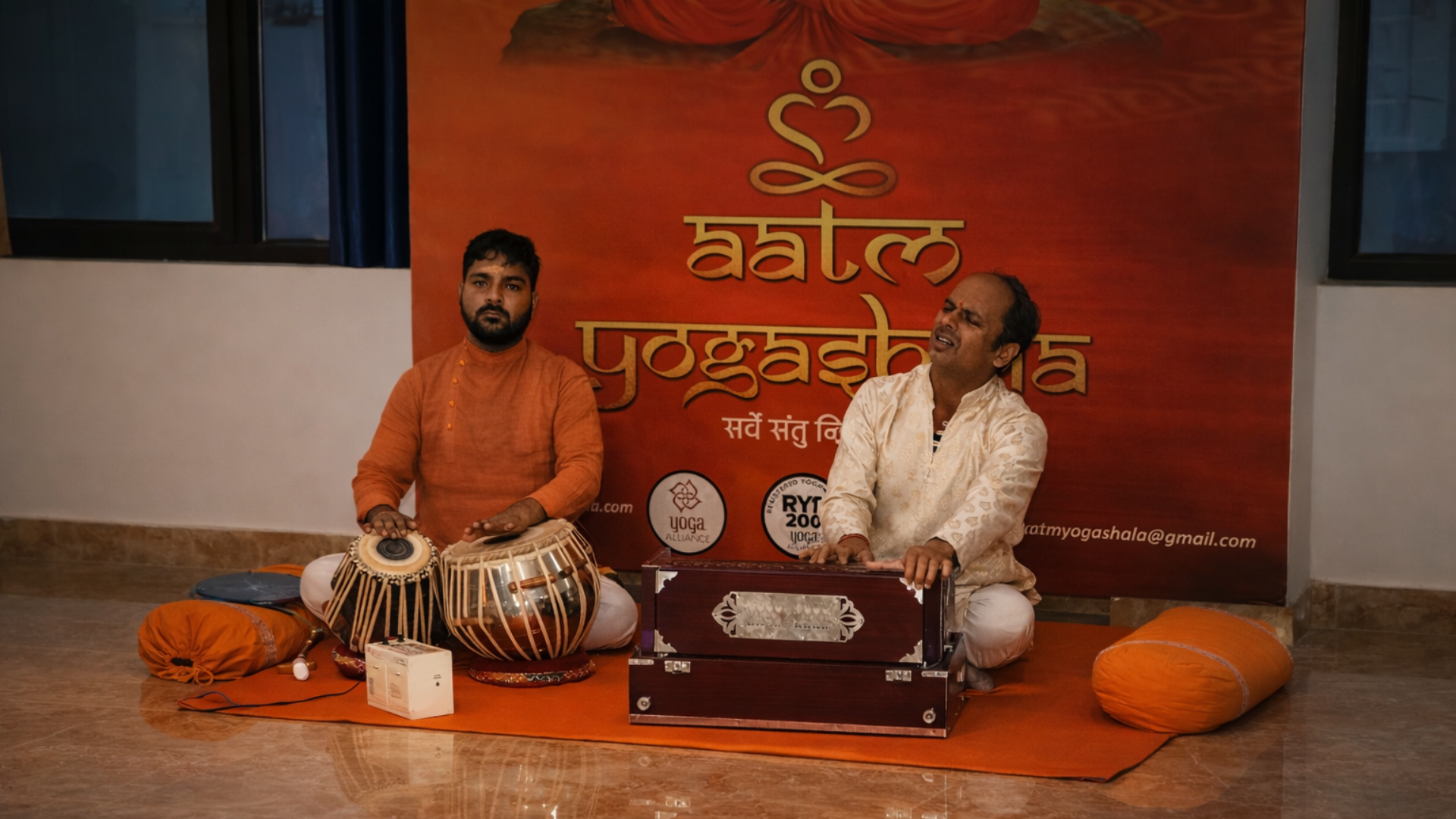
classical music concert yoga retreat rishikesh indian cultural experience

CLASSICAL MUSIC CONCERT

Classical Music Concert (with Gurukul students)
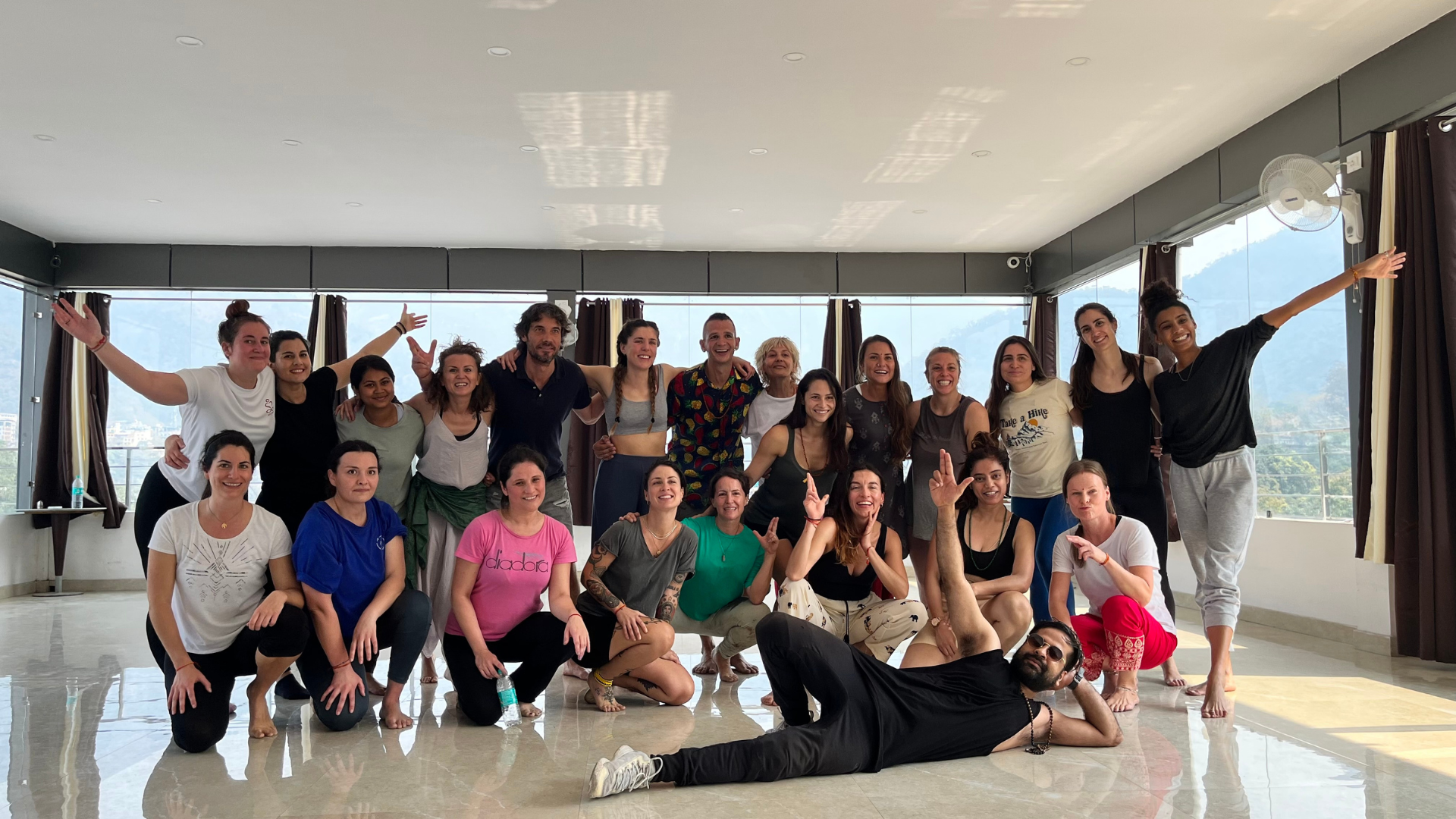
dance class yoga retreat rishikesh bollywood classical dance session india

DANCE CLASS

Dance Class (Bollywood, Classical)

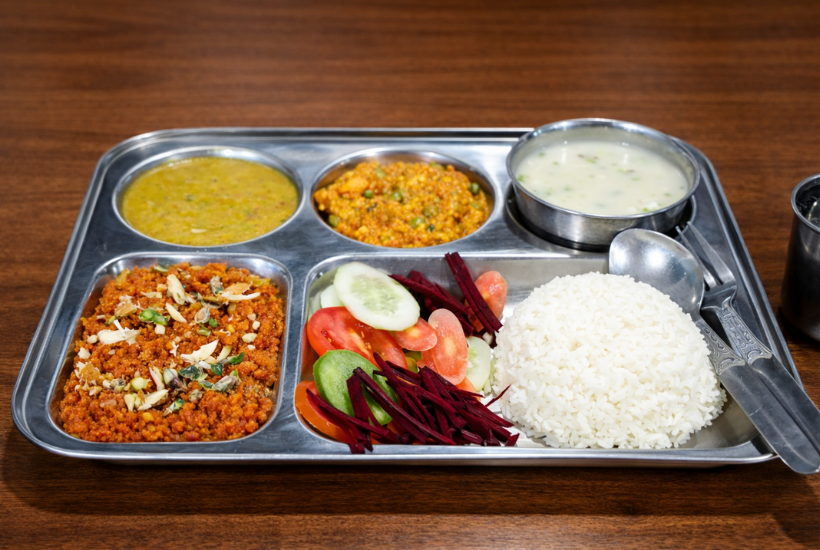
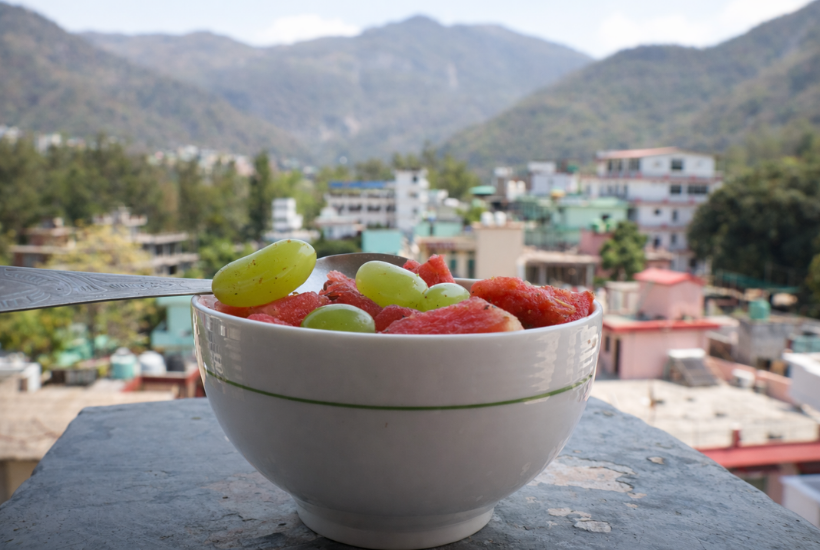
Food: Sattvic & Healthy

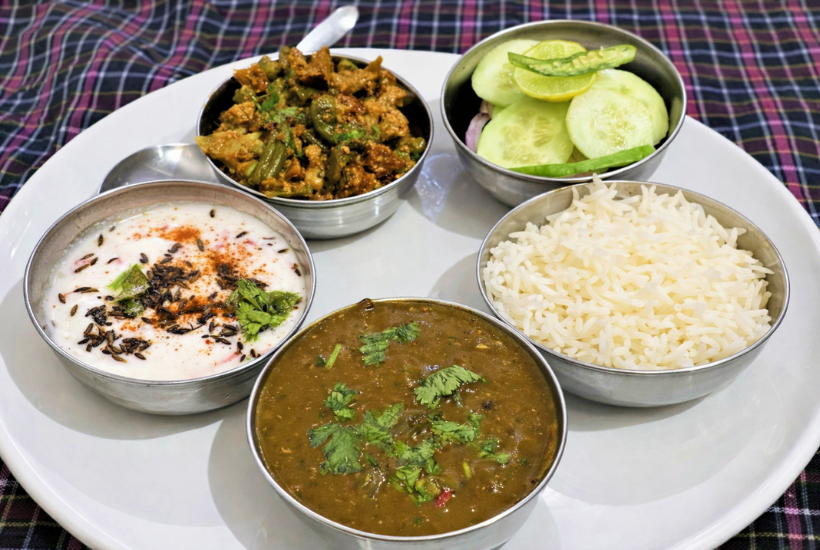
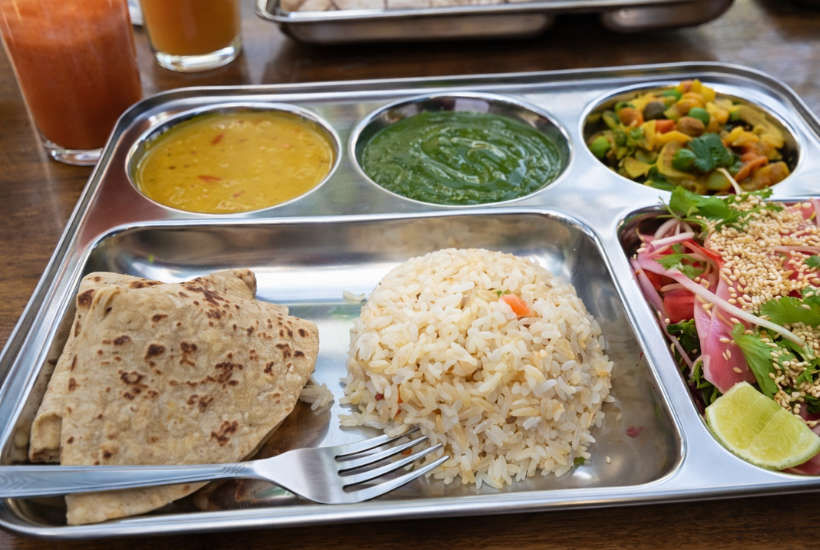
food not only determines our physical health, but also our thinking and feelings. Yoga does not divide food into protein, carbohydrate, and fats; it divides it into the influence on the body and the mind into three types: sattva, rajas, and tamas, Sattvic food is that which makes you feel enthusiastic & energetic
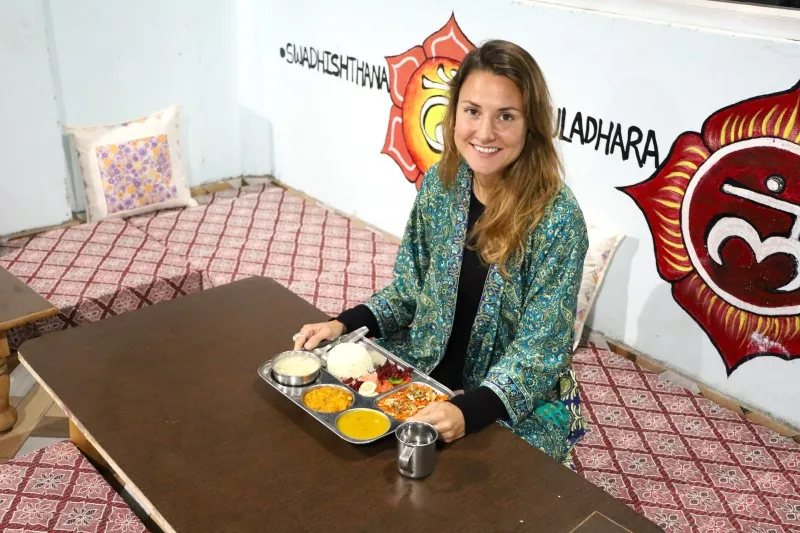
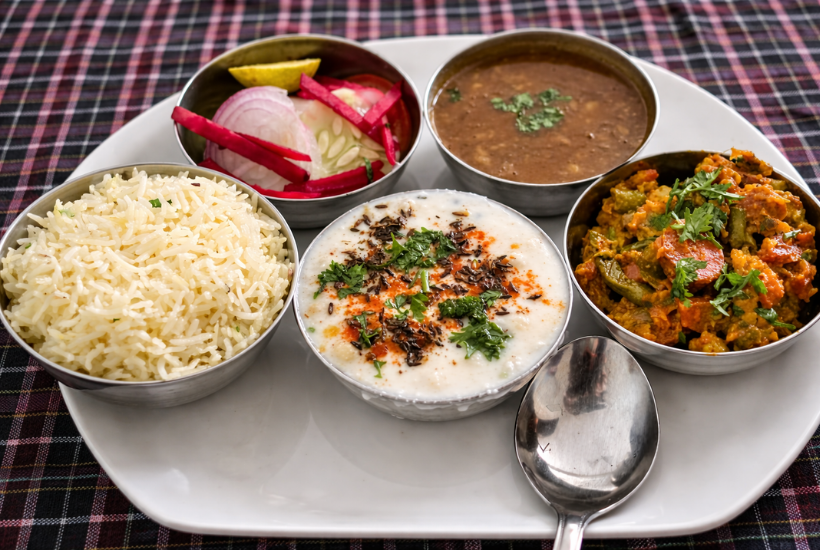
Rajasic food is that food that causes agitation or busyness.
Tamasic food refers to food that makes us heavy and sluggish.

Our Accommodation

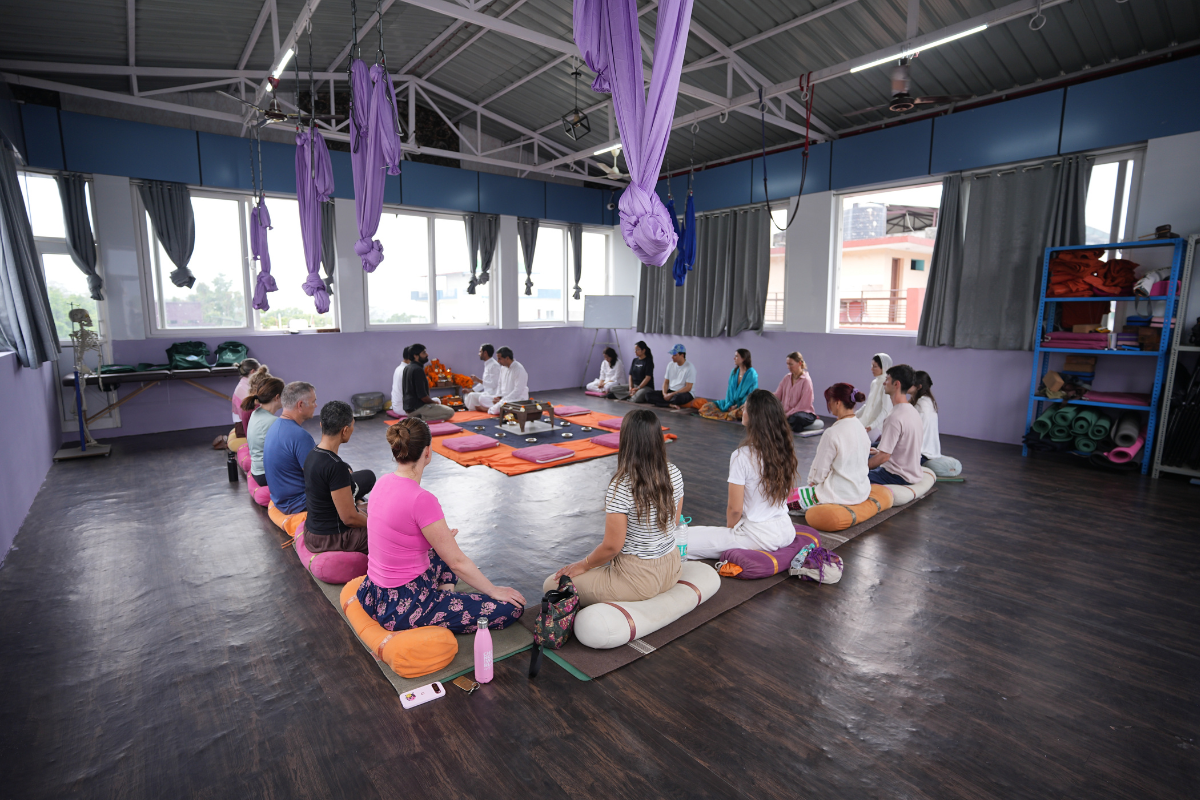
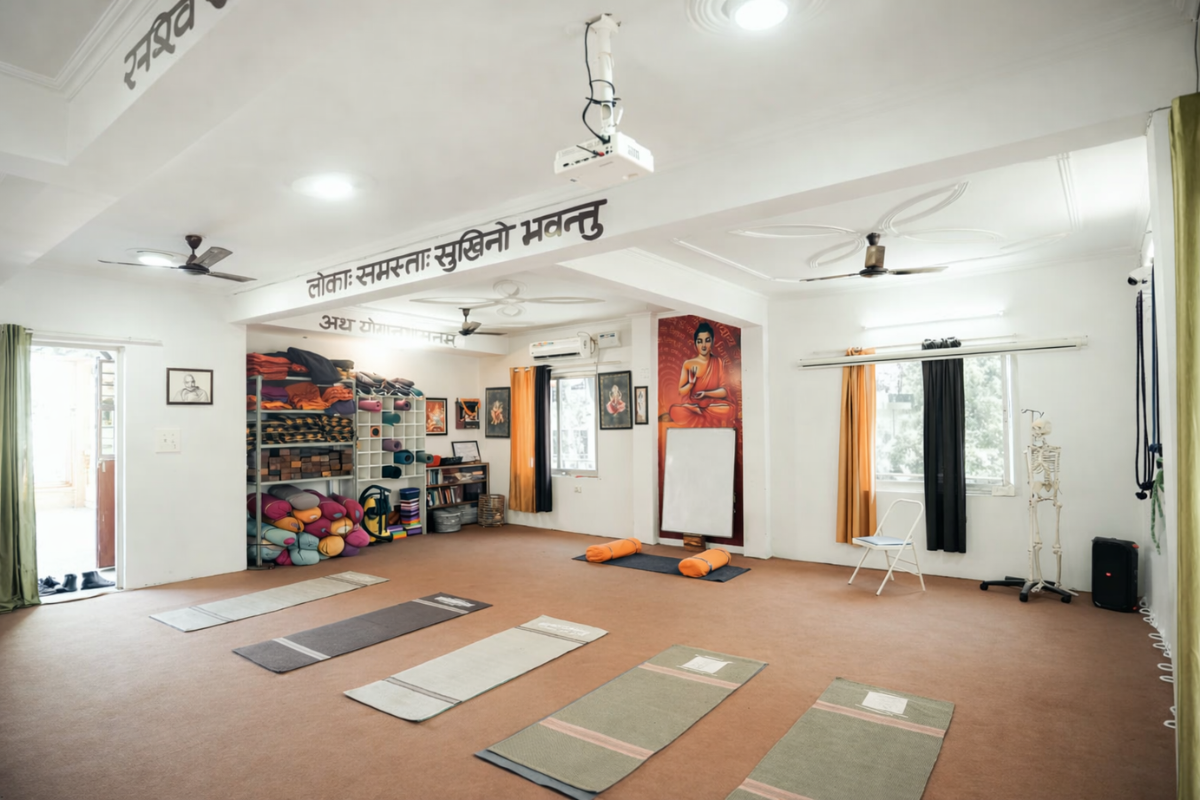
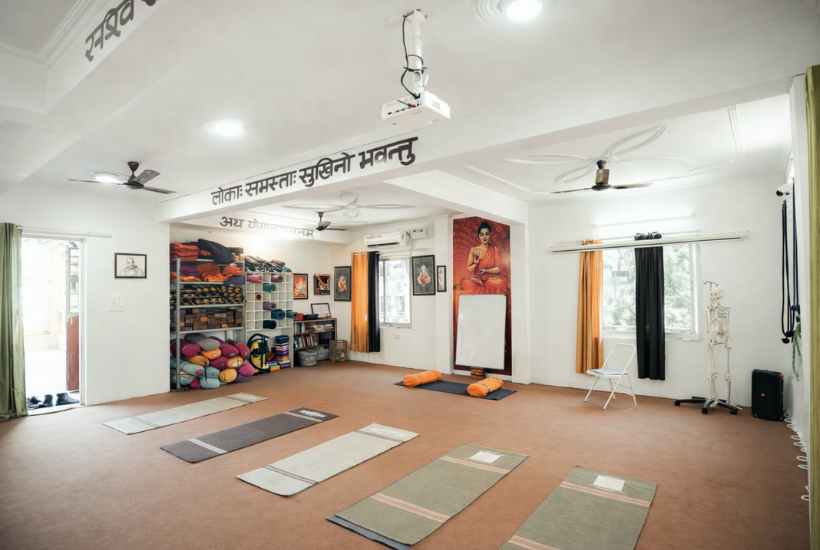
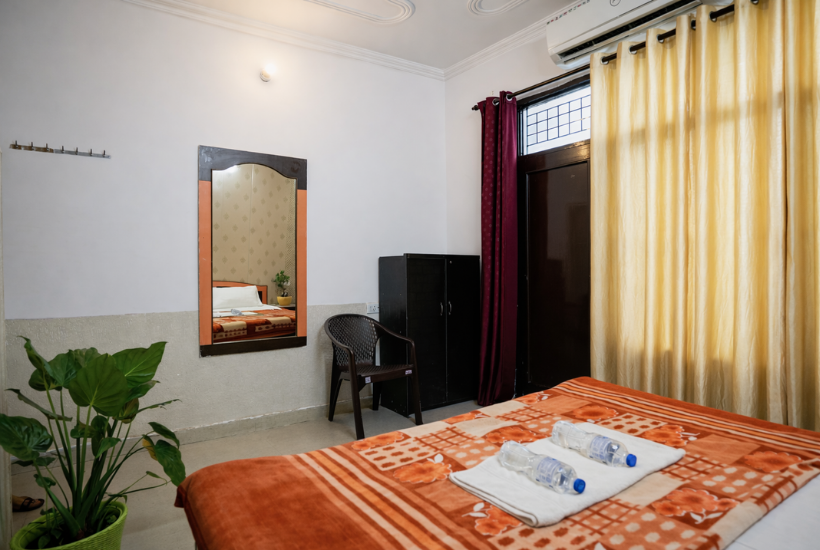
Aatm Yogashala offers accommodations which are a sparkling combination of Indian traditions and modern amenities to make the student feel a part of home out of his/her site and a good place to work as a learning environment in yoga. Both the Yoga halls at Aatm are clean, neat, and have ample space in the lap of nature. We are persistent when it comes to providing our students with the most adequate environment to learn yoga hence, peaceful and quiet surroundings making, and at the same time, conducive to a healthy mind and body.


our yoga halls are located at the lap of nature along the locals of the sacred river Ganga
it apt in achieving the spiritual as well as meditation parts of yoga

What to Bring: Packing Checklist (24 Days)

To ensure your 24-day stay is comfortable and your mind remains completely focused on your spiritual sadhana, here is our recommended packing checklist for your training at Aatm Yogashala:

01

Comfortable Light or White Cotton Attire

Bring 4–5 sets of loose, breathable white or light-colored cotton clothes. In Kundalini practice, white fabric is traditional as it reflects positive energy, supports auric expansion, and ensures freedom of movement during dynamic kriyas.

02

Personal Sadhana Journal & Stationery

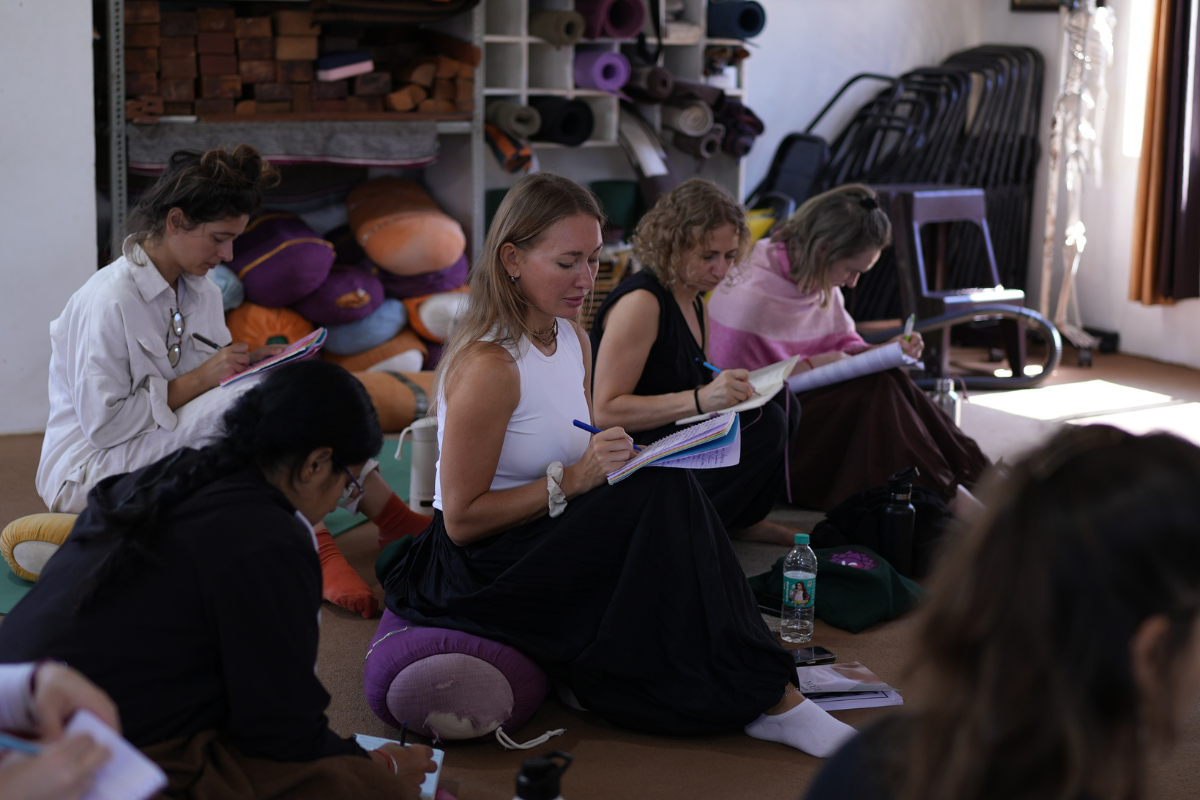
A dedicated notebook and pens for taking notes during philosophy lectures, subtle anatomy sessions, class sequencing designs, and personal chakra contemplation reflections.

03

Reusable Water Bottle & Eco-Toiletries

An eco-friendly refillable water bottle (filtered water is freely available at the ashram), personal eco-friendly toiletries, natural mosquito repellent, and any personal vitamins or prescriptions.

04

Modest Attire for Sacred Temple Excursions

Shoulder-covering tops and full-length pants or long skirts for visiting sacred Himalayan Shakti Peeth temples, ashram ceremonies, and evening Ganga Aarti along the riverbanks.

05

Slip-on Shoes & Meditation Shawl / Light Layer

Easy slip-on sandals or slippers for moving comfortably around the ashram, along with a warm shawl or light jacket for cool early morning meditation and evening outdoor kirtan sessions.
Recommended Books

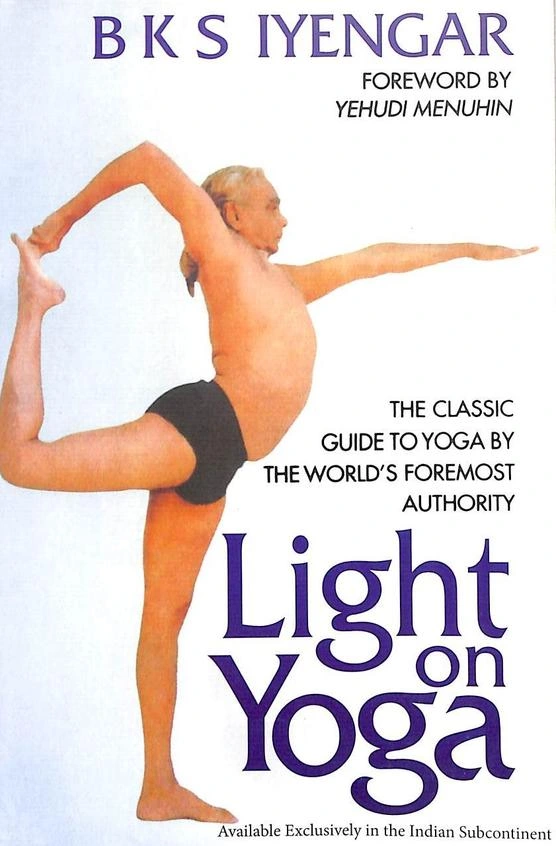
01 Light on Yoga - BKS Iyengar

Light on Yoga

BKS Iyengar

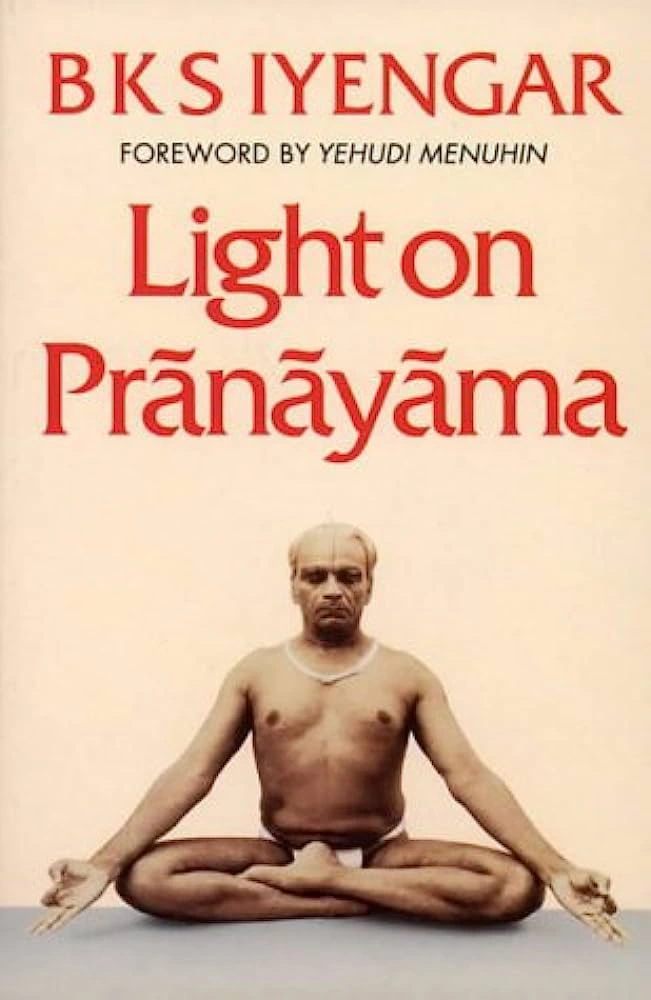
02 Light on Pranayama

Light on Pranayama

BKS Iyengar

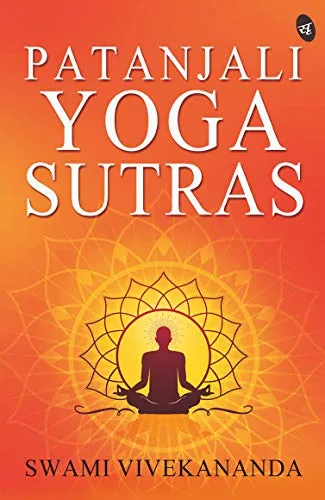
03 The Yoga Sutras of Patanjali

The Yoga Sutras

of Patanjali

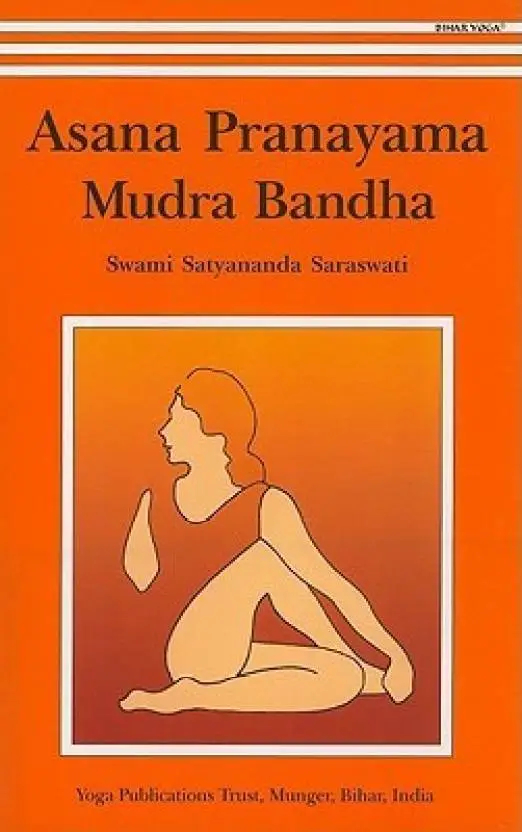
04 APMB - Bihar School of Yoga

APMB

Bihar School of Yoga

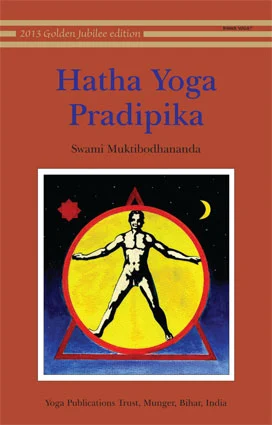
05 Hatha Yoga Pradipika

Hatha Yoga Pradipika

Bihar School of Yoga

Frequently Asked Questions: FAQs

Yes. This course is thoughtfully structured to welcome beginners as well as intermediate and experienced practitioners. Our Himalayan masters guide you step-by-step through foundational postures, pranayama, and subtle energy work in a safe, nurturing environment.

Upon successful completion of the course and practical assessments, you will receive a Yoga Alliance USA registered RYT 200 certificate from Aatm Yogashala, qualifying you to teach Kundalini Yoga and general yoga classes globally.

While Hatha and Ashtanga emphasize physical postures, alignment, and bodily strength, Kundalini Yoga (the 'Yoga of Awareness') combines physical postures with dynamic kriyas, rapid pranayama, bandhas, mudras, mantra chanting, and chakra meditation to awaken dormant spiritual energy.

Yes, sincere students are introduced to traditional Mantra Diksha (sacred spiritual initiation) by our experienced Himalayan masters, establishing a dedicated energetic foundation for lifelong meditation and inner sadhana.

To receive Yoga Alliance certification, students must maintain a minimum of 90% attendance across all scheduled theory lectures, practical classes, and meditation sessions.

Yes, both private and shared rooms (double/triple) with attached private bathrooms and hot water are available. The fee covers 24 nights accommodation, 3 daily sattvic vegetarian/vegan meals, free airport pickup from Dehradun, course manuals, sound healing, and weekend spiritual excursions.

Rishikesh is one of the safest and most spiritually welcoming holy towns in India. Located in peaceful Swargashram along the holy Ganges, our ashram provides a secure, caring, family-like residential environment with 24/7 support.

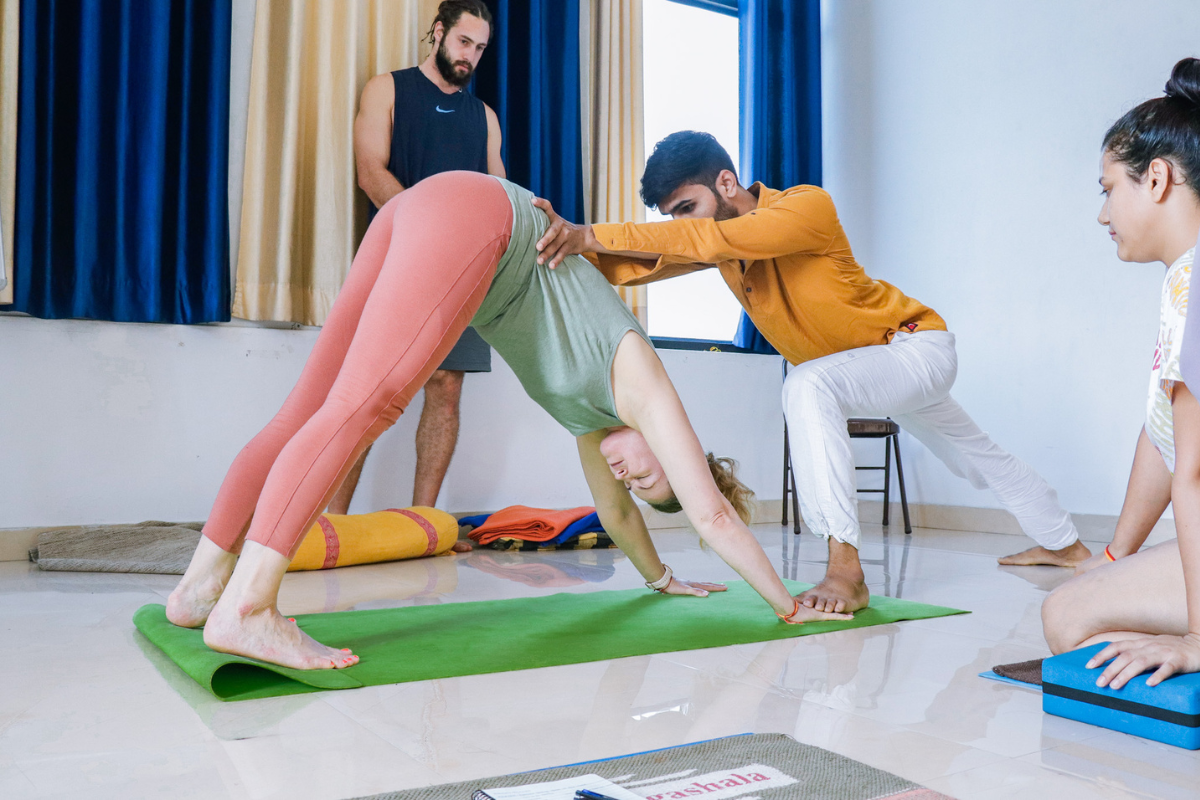
Yes. The course provides comprehensive training in teaching methodology, hands-on adjustments, class sequencing, ethics, and voice modulation, enabling you to confidently lead authentic Kundalini classes and chakra workshops worldwide.

Related Yoga

Teacher Training in Rishikesh, India

100 Hour Yoga TTC

100 Hour Yoga Teacher Training Course

Beginner Level Course

100 Hour Yoga TTC for beginners, who want to start their yoga journey with a short-term course. It is an 11 days course with multi-style asanas based course in Rishikesh.

Course Highlights
  • Duration: 11 Days
  • Date: 03rd - 13th of every month
  • Style: Hatha, Ashtanga, Iyengar
  • Level: Beginner
  • Location: Yoga Village, Swargashram
  • Certification: Aatm Yogashala, India
Course Fees
$450 Private Room
$399 Double Sharing
$299 Triple Sharing
icon
200 Hour Yoga TTC

200 Hour Yoga Teacher Training Course

Intermediate Level Course

200 Hour Yoga TTC is a gateway to Yoga Alliance certification. This is a 24 days course for becoming a certified teacher.

Course Highlights
  • Duration: 24 Days
  • Date: 03rd - 26th every month
  • Style: Hatha, Ashtanga, Iyengar
  • Level: Intermediate
  • Location: Yoga Village, Swargashram
  • Certification: Yoga Alliance RYT 200
Course Fees
$1050 Private Room
$950 Double Sharing
$699 Triple Sharing
icon
300 Hour Yoga TTC

300 Hour Yoga Teacher Training Course

Master Level Course

300 Hour Yoga TTC is an advanced course for deepening the study of Yoga. This course will last for 28 days with RYT 300 Hour by Aatm Yogashala in compliance with Yoga Alliance.

Course Highlights
  • Duration: 28 Days
  • Date: 03rd - 30th of every month
  • Style: Hatha, Ashtanga, Iyengar
  • Level: Advance
  • Location: Yoga Village, Swargashram
  • Certification: Yoga Alliance RYT 300
Course Fees
$1350 Private Room
$1250 Double Sharing
$899 Triple Sharing
WhatsApp