Chanting refers to a rhythmic repetition (either without sound or vocally) of a song, prayer, word or sound. It is among the oldest spiritual practices and a component of most religions and spiritual paths. Chanting Yoga helps calm the mind and deepen your meditation practice. Sound in the Indian yoga tradition is curative and holy. Sound is also considered one of the most powerful forces.
The singing sessions in yoga enhance focus and devotion, relax the mind, and deepen consciousness. In our yoga school, you will learn Asthanga yoga chanting as well. Having defined the meaning of yoga chanting, we will now discuss the chants that are most useful and popular in yoga. Practising yoga with chanting can improve focus and create a peaceful inner rhythm.
Chanting: Yoga of the Mind
Chanting is simply the process of connecting up to the perennial technology of our ancient prophets. They developed compositions using ancient Sanskrit sounds. Some elements of yoga and chanting:-
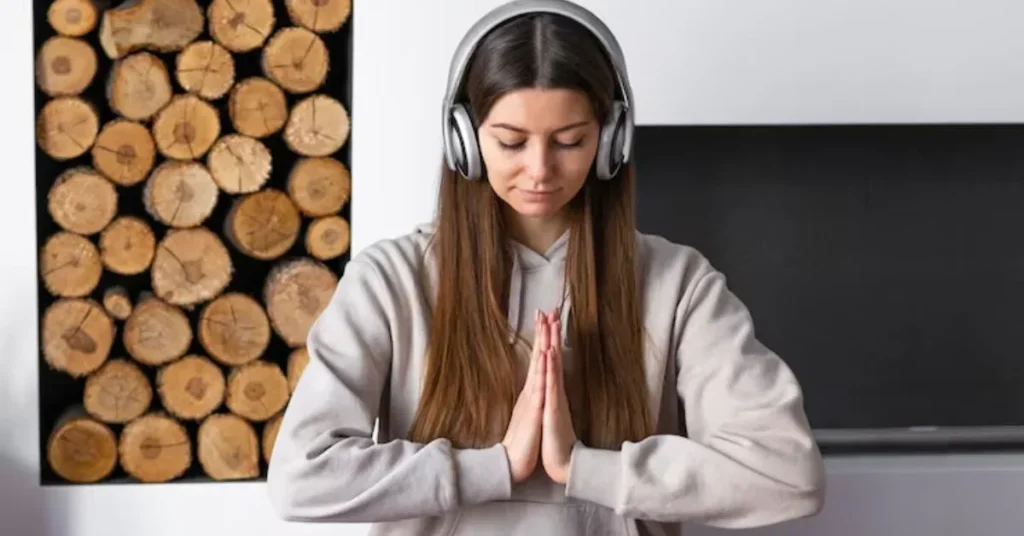
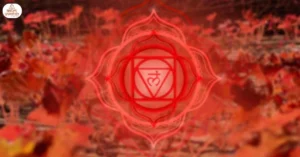
- Every Sanskrit letter corresponds to a sound, and this corresponds to a particular centre of subtle energy (chakra) in our subtle bodies. Sanskrit chanting triggers centres of subtle energy. Sanskrit chants are known to have calming and healing effects on the human mind and body, promoting relaxation.
- Group chanting is also very advantageous. We have varying thoughts as we sit together in one place. But when we begin to chant, we have one thought and one beat in all our minds. All minds become one. This unity gives a great power that makes us vibrant.
- When properly practised, chanting enables all other senses to melt into one and the mind to harmonise with itself. The chanting may be called the yoga of the mind.
- While it is possible to chant anytime, anywhere, it is best to do so when the environment is conducive. Many spiritual traditions use chanting and mantras to bring mental clarity and positive energy.
- To preserve the subliminal effects of the chants, they are worshipped and sung in sacred locations worldwide.
- The simple chants are numerous, and everyone can chant them and feel the stimulating effect.
What is Om?
Om is taken to be the sound of the Universal Consciousness. Chanting Om helps bring your small mind (you) into the bigger mind (the Universal Consciousness), bringing greater harmony to your life. Om chanting produces vibrations in the body, boosting prana, the life force. Learning how to chanting properly can make your yoga and meditation practice more powerful.
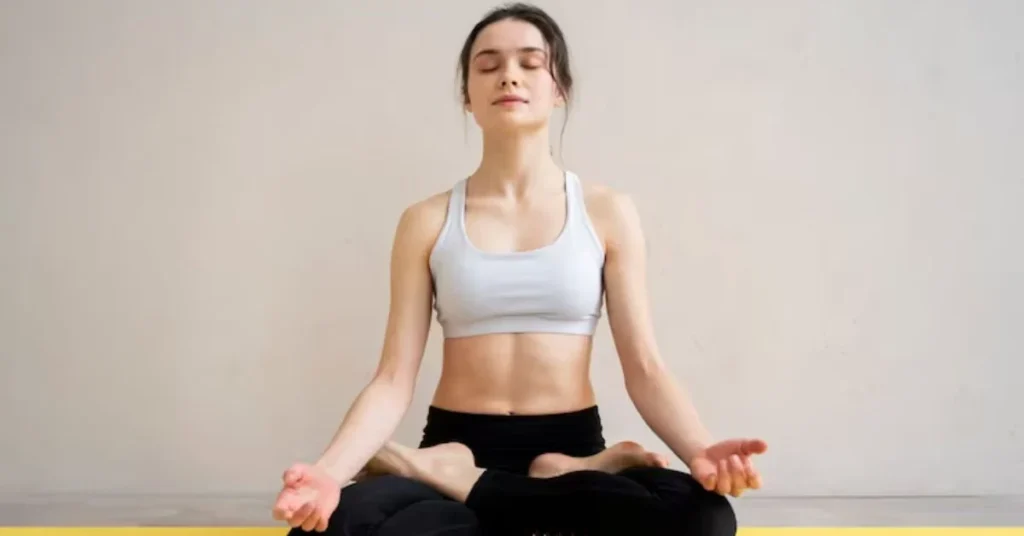
More prana is basically more life force energy working (flowing) through us. The more energy we have, the more connected we will be to ourselves, the clearer our mind will be for decision-making, and the more aware we will be in our relationships. Essentially, a happier you.
Read Also:- Top 11 Mantras for Health and Healing for Inner Peace
Advice on Your Daily Yoga and Chanting
We must give time and space, as we do to our yoga practice, to sit and chant every day. In the long run, we have a peaceful yoga space. The mantras also contribute to the space’s serenity and calm.
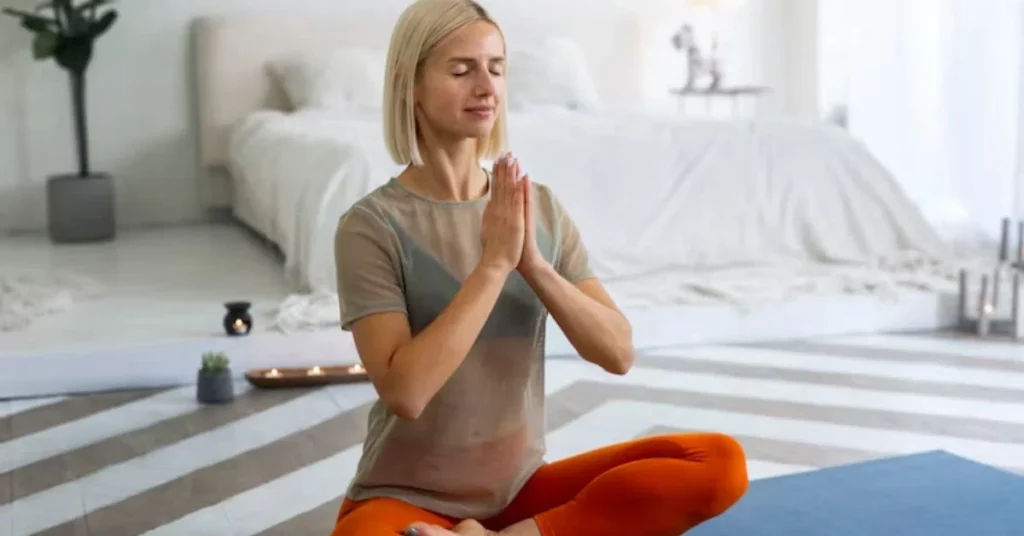
Before we begin chanting:-
- Choose a comfortable sitting place to chant.
- Sit in sukhasana.
- Remain straight and relaxed in the shoulders. Do not open your eyes until you have finished with the chants.
- Assuming you already have an altar where prayers are performed, you can face it and chant.
- When chanting, maintain concentration on the breath.
- The best way to deepen meditation is to include chanting after a yoga session.
- It is okay if the mind wanders. Allow it and do not resist.
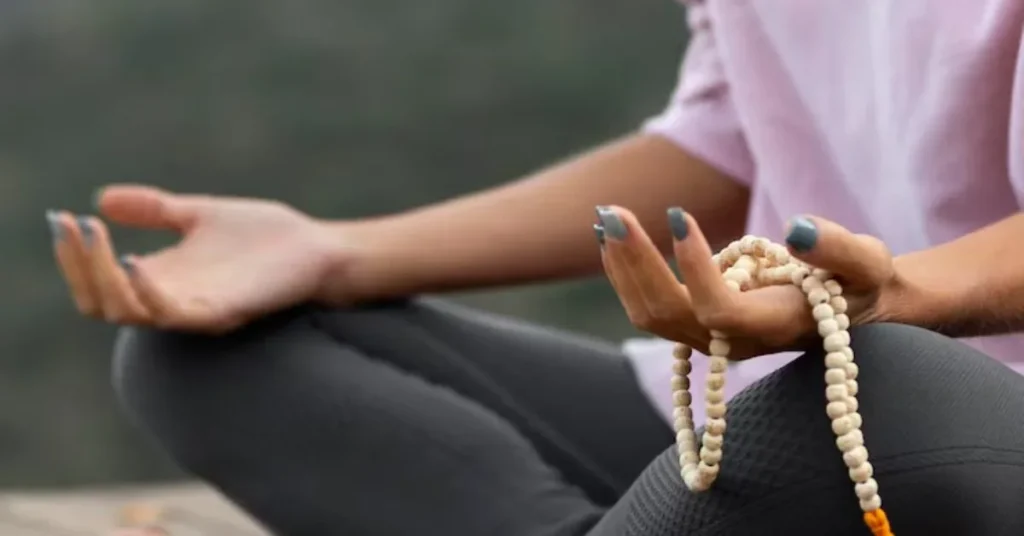
- Numerous traditions use rosary beads and rudraksha beads, which are associated with specific numbers. This has also been found to be an excellent way to chant.
- It is also nice to sing with a group at least once in a while. The group has more energy.
Yoga is a union that you develop with yourself. Reciting mantras is another way to enhance such a relationship. A yoga mantra is often repeated during meditation to enhance concentration and spiritual awareness.
The Advantages of Chanting: Over the Voice Box
Chanting is not just a vocalization but a process which involves the whole being. Sound vibrations are transmitted into the body when we chant, which has a calming effect on the nervous system. It is especially useful when teaching yoga in a training environment, where learners must process a significant amount of information and discover new aspects of themselves.
1. Soothing the Mind
The monotony of chants such as the traditional Om or Gayatri Mantra can induce a meditative state, calming the mind and reducing mental chatter, thereby encouraging concentration. There is also scientific evidence that chanting can activate the parasympathetic nervous system, which is the body’s rest-and-relaxation system.
2. Enhancing Group Cohesion
The chanting with the group creates the feeling of community in the context of training. It brings the experience that could be shared even without speaking; as a result, students get bonded more deeply. The harmony of the voices also creates encouragement and sympathy in the group, and this is priceless in the generally intensive training process.
3. Energetic Balance
Sound and vibration, as per the yoga philosophy, influence the centres of energy, the chakras, in the body. Repeating some mantras can assist in clearing the energy blockages, as well as restoring balance, which is particularly helpful when studying the subtle body.
Incorporating Chanting into Yoga Teacher Training
Even though the trainees must be new to the practice of chanting, it must be done extremely slowly and with cultural sensitivity to the trainees. Some ways of incorporating chanting into a teacher training program are as follows:-
- Introduction and Dismissal Rituals:- Open and close every session with a simple chant. This not only ascribes the tone but also gives a stable ritual that can possibly relax the participants. This is achievable with the assistance of the conventional Om or brief shanti (peace) mantra.
- Thematic Mantras:- Have the chants in coordination with the study subjects. As an example, in case the module is devoted to the heart chakra, one should keep in mind the Yam mantra that echoes the power of love and compassion. When studying the yogic philosophy, it can be informative to recite some of the sutras or verses of the Bhagavad Gita.
- Encouraging Individualised practice:– Have students practice chanting as a sadhana (spiritual practice) of their own. This can be as simple as simply chanting a mantra during the meditation or even using chanting in their asana. Such experience can also be shared with others to make them adopt this practice in their own manner.
Also Go Through:- Sound healing course in Rishikesh
Closing Thoughts
Chanting yoga is an effective form of yoga that uses sound, breath, and awareness to achieve mental clarity, emotional balance, and spiritual unity. By repeating sacred sounds, mantras, or syllables, practitioners can relax the mind, regulate breathing, and cultivate a deeper sense of inner peace.
The constant chanting will reduce stress, enhance concentration, and create a meditative environment that supports overall well-being. Chanting yoga, whether in a group or individually, promotes harmony, mindfulness, and the integration of body, mind, and breath. When practised regularly, it becomes an easy yet deep tool for relaxation, self-reflection, and spiritual development.
Answers to Common Questions
Q. Do you need to learn Sanskrit to practice yoga chanting?
A. No, I do not need to know Sanskrit. Many newcomers begin by chanting simple sounds or popular mantras. Mastery of language is of less significance than intention, rhythm and conscious repetition.
Q. How much time do you spend doing yoga?
A. You can start with 5-10 minutes of chanting and gradually increase it as you get used to it. Other practitioners incorporate chanting at the start or end of their yoga or meditation practice.
Q. Should a yoga beginner chant?
A. Yoga chanting is easy to learn. One can begin with the simplest sounds, such as Om or short mantras, and concentrate on breathing and mindfulness.
Q. Is yoga chanting effective for reducing stress and anxiety?
A. Yes, the monotonic repetition of sounds and controlled breathing used in chanting can help relax the nervous system and reduce mental tension.
Q. How does mantra meditation compare with chanting yoga?
A. Mantra meditation typically involves silently repeating a mantra, whereas chanting yoga may involve vocal repetition, group chanting, or music during practice.
Q. At what time of the day should one chant yoga?
A. Yoga is often chanted in the early morning or during meditation sessions, but it can be practised at any time of day when you need to relax, concentrate, or connect with your inner being.
You May Also Like:-