Meditation is not just sitting still; it is all about channeling your energy, relaxing your mind, and bringing balance to your body. But one of the best and most popular forms of meditation that is often overlooked is the use of hand mudras for meditation.
These hand gestures will help you channel your energy and deepen your understanding of meditation. The article provides information on hand mudras meanings and benefits, and how people can use them in their daily activities.
What are Hand Mudras?
Hand mudras are specific hand positions people use in meditation to help control the flow of energy in the body. These mudras are based on ancient yogic practices. They affect the five elements in the body: earth, water, fire, air, and space.
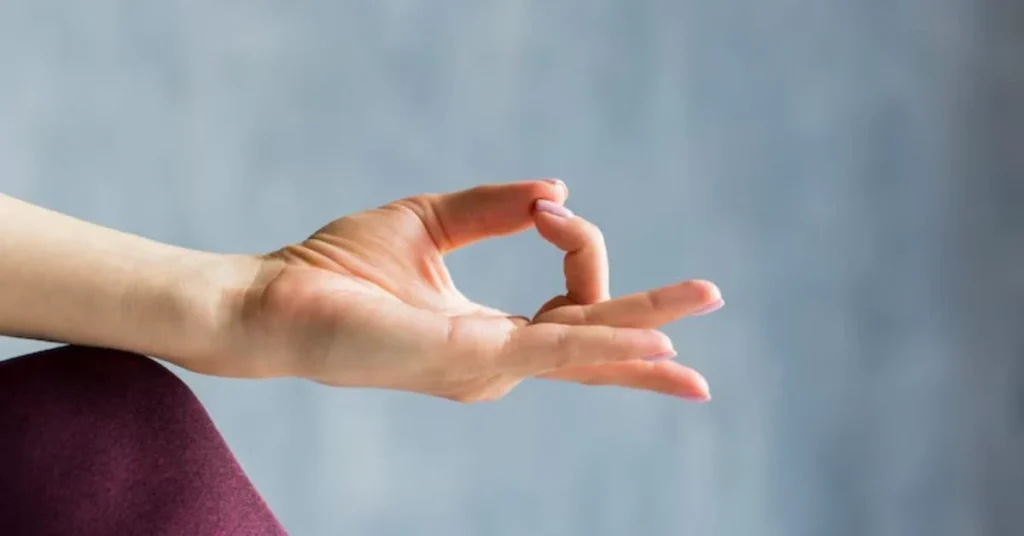
Each finger represents a different element. When arranged in a certain way, they create balance in the body. They can benefit your life in many ways if you practice them regularly. If you are interested in meditation techniques in detail, you can also refer to some useful resources on Aatm Yogashala.
Why Use Hand Mudras During Meditation?
Meditation practitioners can use mudras to enhance the benefits of their practice. The following are the mudra benefits:
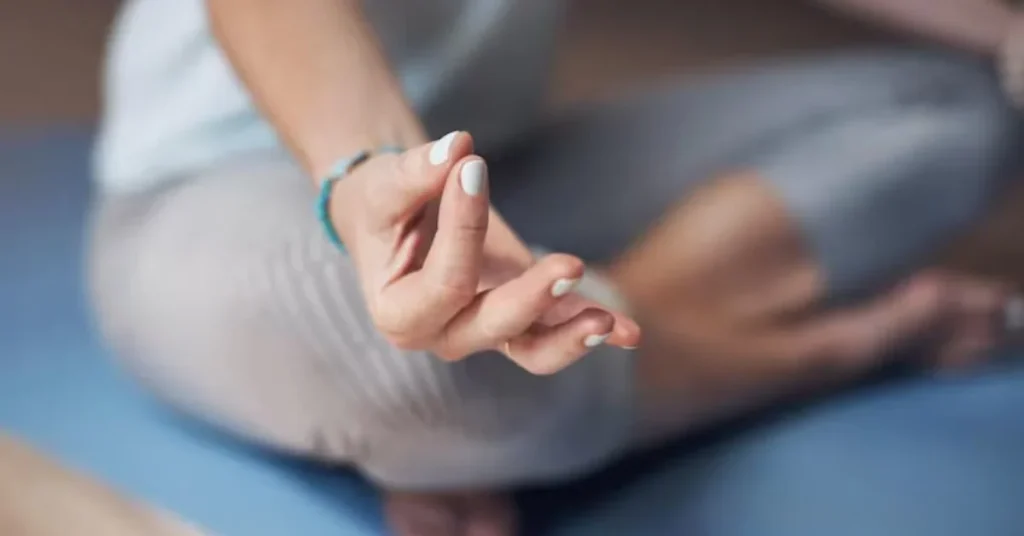
- The practice enhances focus and maintains present awareness.
- The practice maintains balanced energy levels in the body.
- The practice helps people to decrease their levels of anxiety and stress.
- Helps increase spiritual awareness.
- Helps in emotional healing.
In Aatm Yogashala, yoga practitioners are often encouraged to use mudras during meditation.
Read Also:- 200 Hour YTTC in Rishikesh
1. Gyan Mudra:- The Mudra of Knowledge
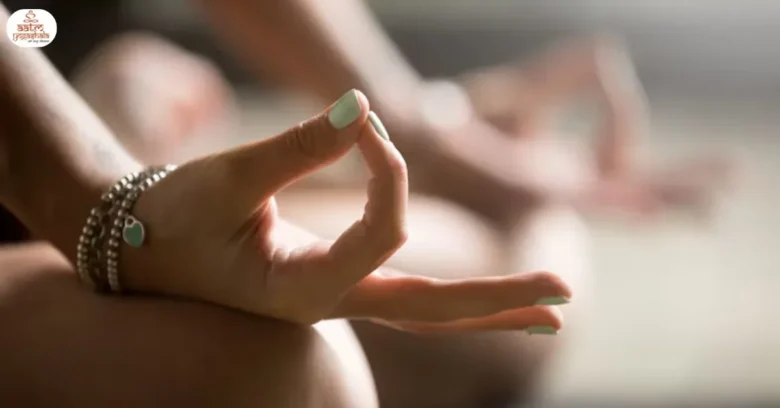
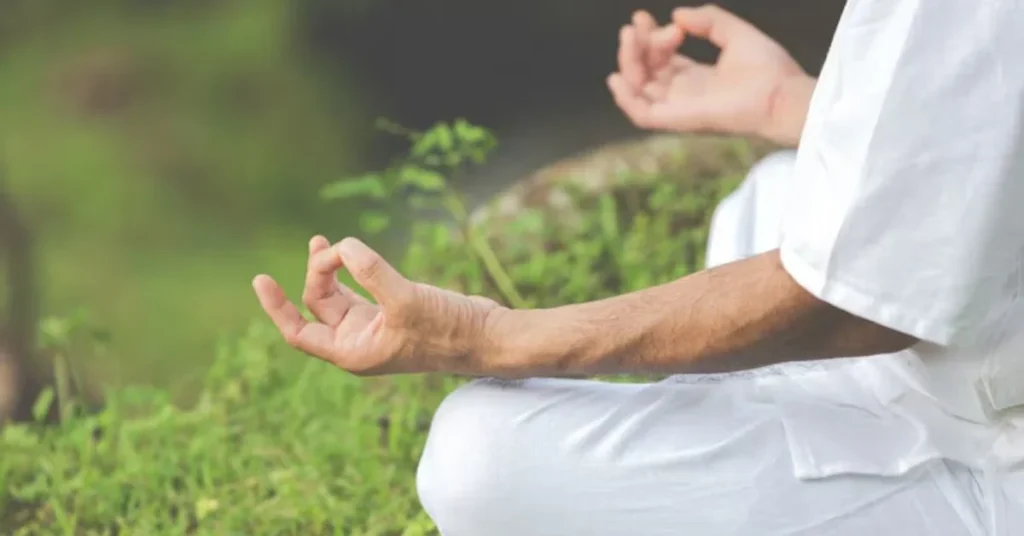
One of the most common meditation hand mudras for meditation is the Gyan Mudra.
Gyan mudra meaning:- “Gyan” means “knowledge”. Is a symbol of wisdom and consciousness.
How to Practice:-
- You need to touch the tip of the thumb and index finger.
- Keep the other fingers extended.
- Now, rest the hands on the knees, and palms facing upwards.
Benefits:-
- Helps to concentrate.
- Helps to improve memory.
- Helps to stay calm.
It is said to be the best hand mudra for concentration, especially for a beginner.
2. Brahma Mudra:- For Inner Awareness
Brahma Mudra is a strong gesture that links you to inner consciousness and self-awareness.
How to Practice:-
- Make fists of both hands.
- Keep them close to the navel region.
- Palms of both hands must be directed towards the ceiling.
- Join both knuckles.
Benefits:-
- Activates internal energy.
- Helps in improving awareness of breathing.
- Helps in deep meditation.
This gesture is often practiced alongside breathing exercises included in the yoga classes at Aatm Yogashala.
3. Chin Mudra:- For Peace of Mind
If you want a specific mudra for peace of mind, then Chin Mudra is highly effective.
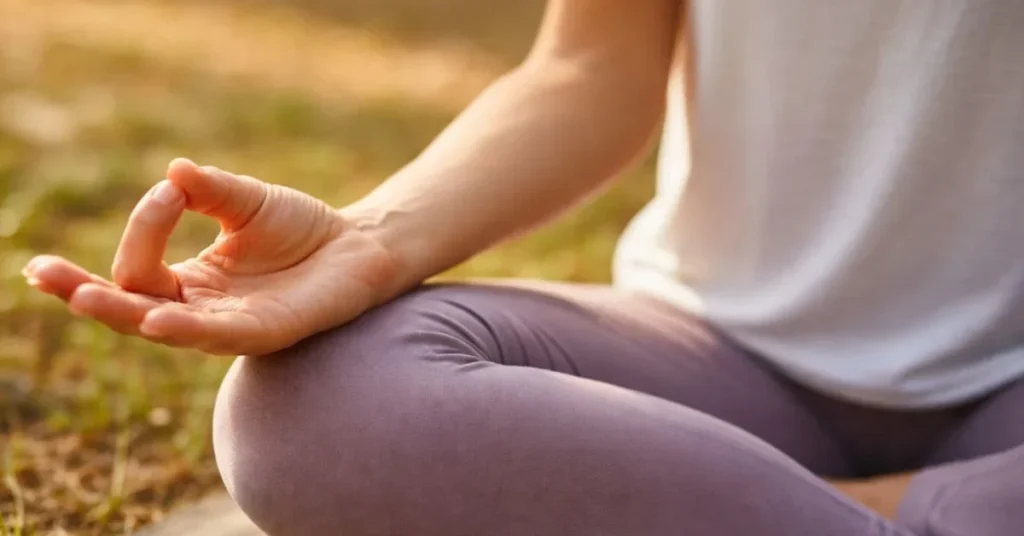
How to Practice:-
- Firstly, touch your thumb and index finger.
- Then, place your hands on your knees, with palms facing down.
Benefits:-
- Calms the nervous system.
- Helps in relieving stress and anxiety.
- Helps in relaxing.
4. Prithvi Mudra:- The Thumb and Ring Finger Mudra
The thumb-and-ring-finger mudra, called Prithvi Mudra, is associated with the earth element.
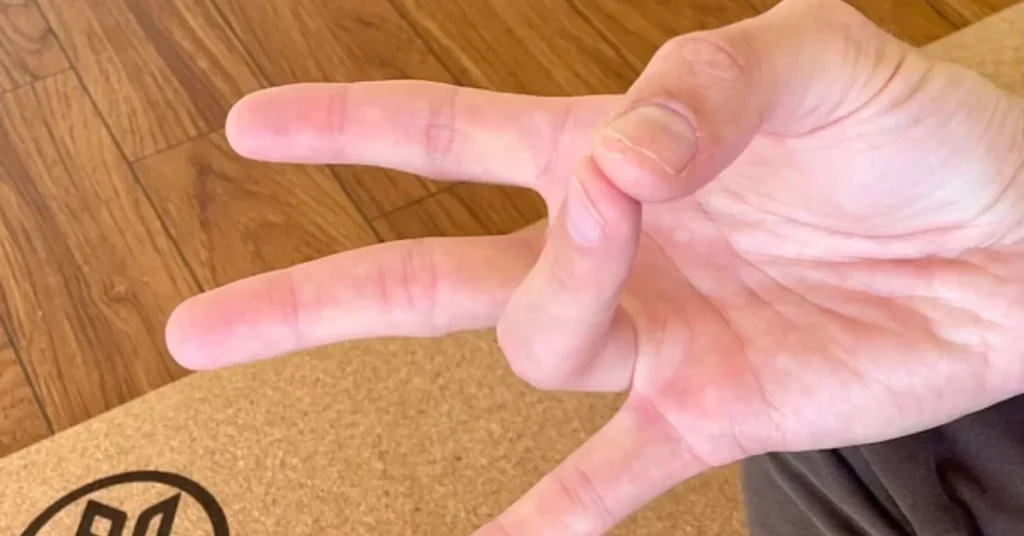
How to Practice:–
- Touch the thumb and ring finger.
- Other fingers should be straight.
Benefits:–
- Increases energy levels.
- Increases physical strength.
- Helps in grounding.
This is a mudra for positive energy.
5. Pustak Mudra:- For Learning and Wisdom
Pustak Mudra represents knowledge and learning. It is often associated with students.
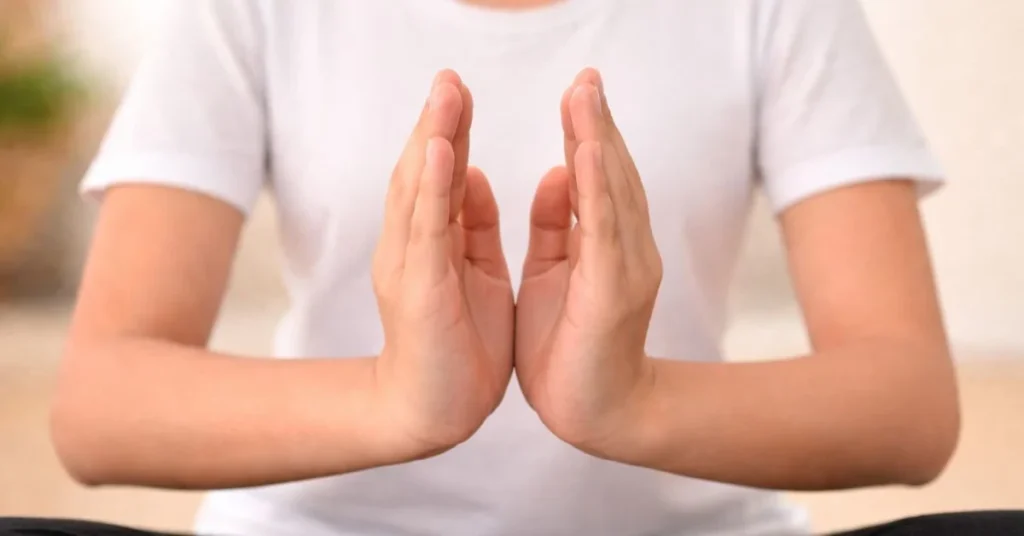
How to Practice:–
- Place one hand in chin mudra.
- Rest the second hand on your lap, palm open.
Benefits:–
- Improves learning capacity.
- Helps in focus.
- Deepens meditation.
6. Vishnu Mudra:- For Breath Control
Vishnu Mudra is usually employed during pranayama practices.
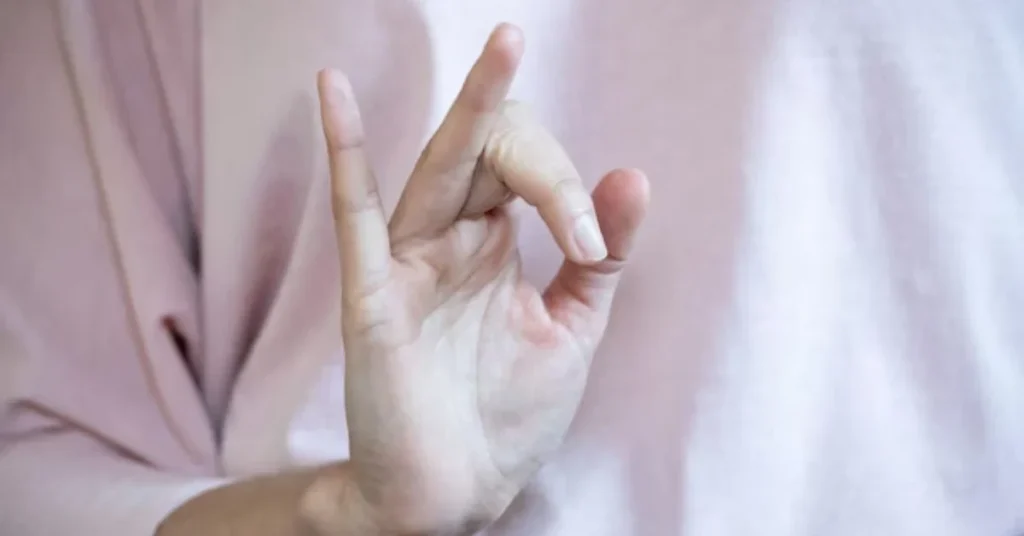
How to Practice:-
- Fold your index and middle fingers.
- The thumb and ring finger control the nostrils.
Benefits:-
- Improves breathing.
- This mudra helps in balancing the left and right hemispheres of the brain.
- Improves focus.
This particular mudra is a must for all practitioners of advanced meditation techniques.
7. Apana Mudra:- For Confidence and Detox
Are you looking for a mudra for confidence? Apana Mudra is the answer.
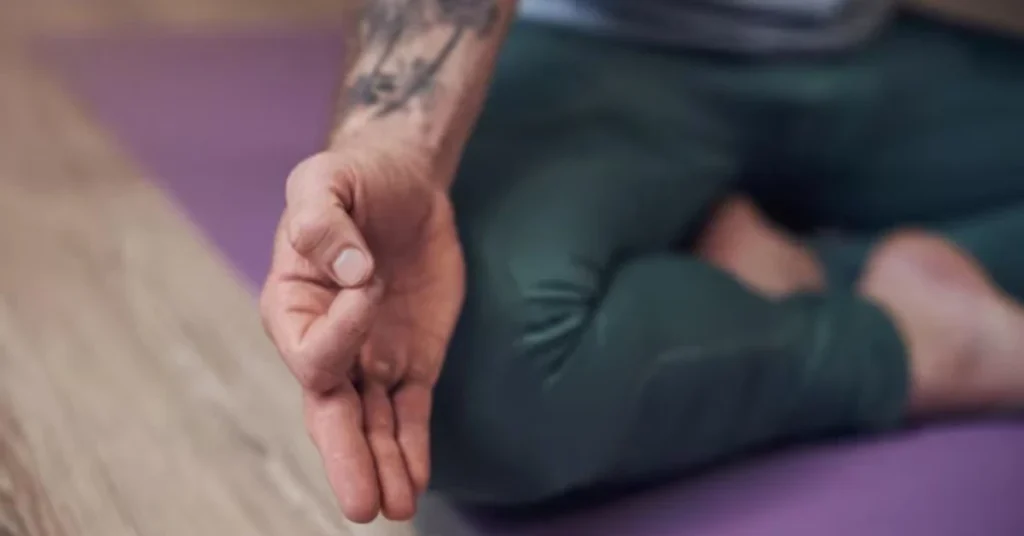
How to Practice:–
- Touch thumb, middle, and ring fingers.
- Leave other fingers straight.
Benefits:–
- Confidence.
- Detoxifies the body.
- Improves digestive power.
8. Chakra Meditation Hand Positions
Chakra meditation hand positions guide you in balancing the body’s energy centers through various mudras. Prithvi Mudra activates the Root Chakra, Apana Mudra balances the Heart Chakra, whereas Gyan Mudra boosts the Crown Chakra. Using the correct mudra during meditation enhances concentration, healing, and your overall chakra meditation experience.
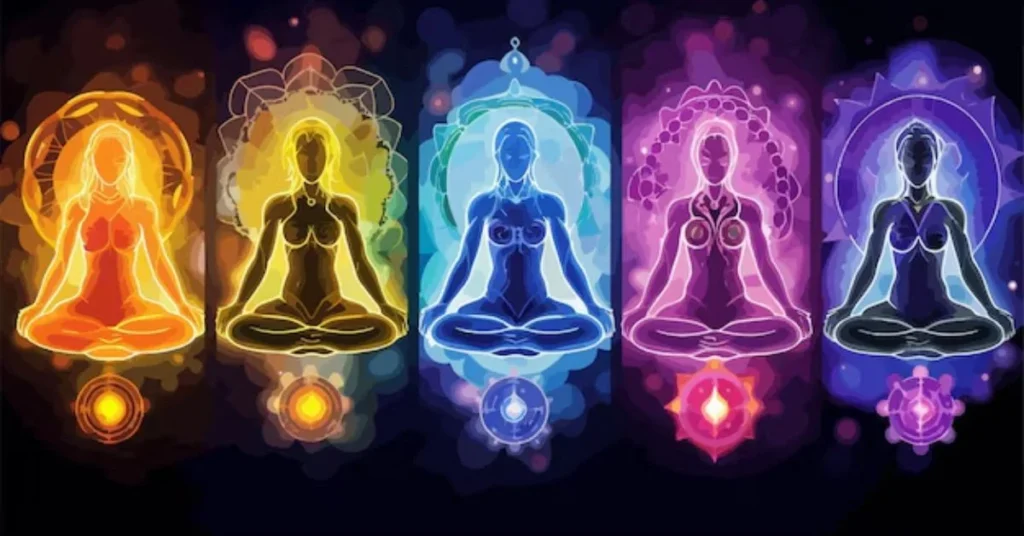
Different chakra meditation hand positions help activate various chakras in the body:-
- Root Chakra:- Prithvi Mudra.
- Heart Chakra:- Apana Mudra.
- Crown Chakra:- Gyan Mudra.
Using the right mudra during chakra meditation helps make it more effective.
How to Practice Hand Mudras Effectively?
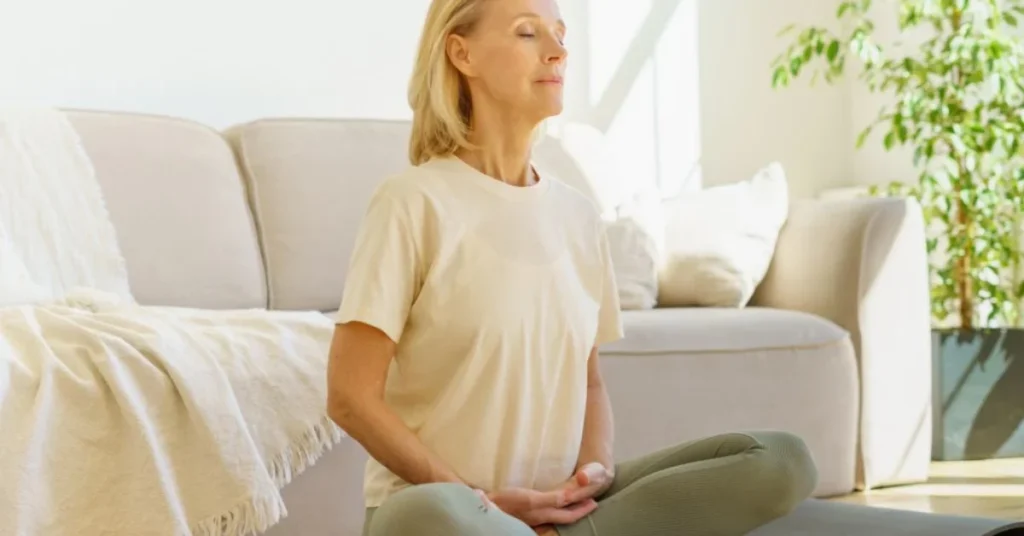
To practice hand mudras, one should sit comfortably and meditate, keeping the spine straight. One should choose a mudra according to one’s intention and practice it for 15-30 minutes daily. The practice of deep breathing will help one derive more benefits from mudras.
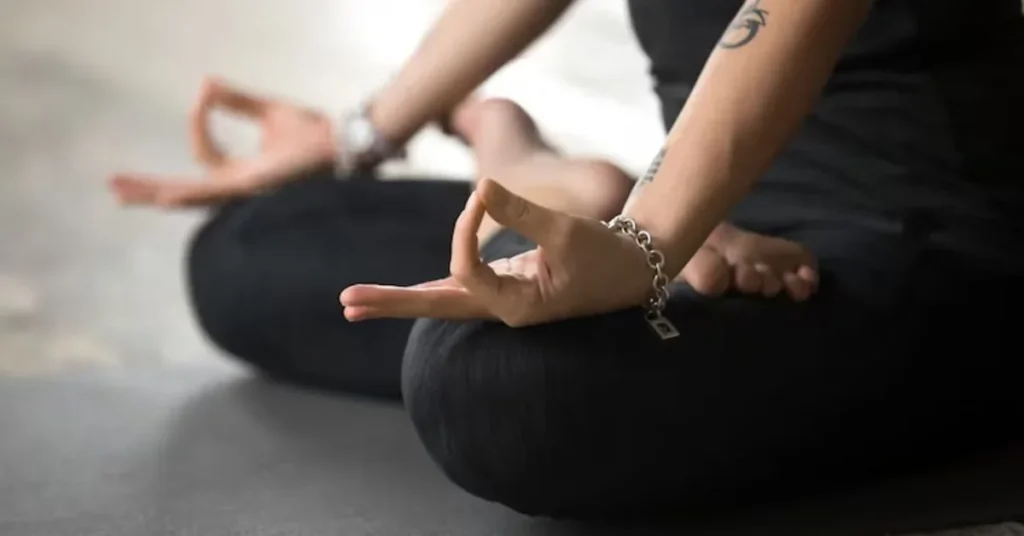
The following steps should be followed to achieve optimal results with Mudras.
- The person should select a comfortable meditation position.
- The person should maintain an upright posture throughout the activity.
- The person should select a Mudra based on their purpose.
- The practice should be done every day for 15-30 minutes.
- Add it to your deep breathing exercises.
To derive maximum benefits from Mudras, you must practice them regularly for a certain period of time.
Combining Mudras with Meditation
Hand mudras and meditation can be combined for better concentration, balance, and inner awareness. Gyan Mudra is used for mindfulness, Vishnu Mudra for pranayama, and Chin Mudra for relaxation. These effective techniques have been combined at Aatm Yogashala to foster a better connection among mind, body, and breath for overall well-being.
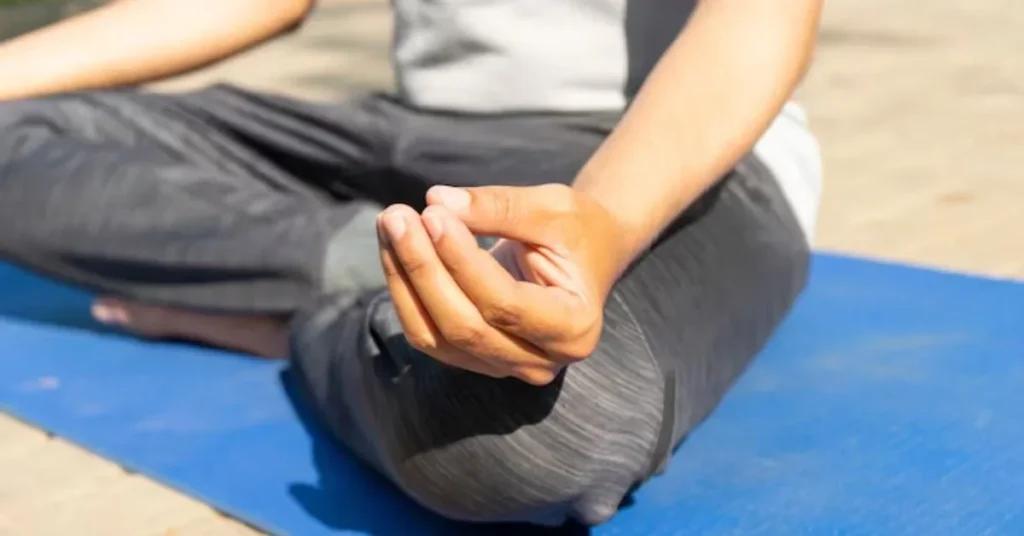
Combining hand gestures for meditation techniques will give you better results. For instance:-
- Add Gyan Mudra to your mindfulness meditation.
- Add Vishnu Mudra to your pranayama.
- Add Chin Mudra to your relaxation techniques.
At Aatm Yogashala, various meditation and yoga techniques help establish a strong connection between the body and mind.
Also Go Through:- Benefits of Yoni Mudra and How to Do
In Summary
Daily practice of hand mudras for meditation delivers substantial benefits to your mental, emotional, and spiritual development. Hand gestures have powerful effects that can enhance your concentration, build self-assurance, and foster inner calm. Hand mudras and their meanings are essential knowledge that all practitioners must learn to attain advanced states of consciousness. Start small, start simple, and let your hands lead your inner path.
Your Questions Answered
Q. Which is the best hand mudra for meditation?
A. Gyan Mudra is recognized as one of the most effective hand mudras for meditation because it enhances mental focus, concentration, and clarity.
Q. How long should I practice hand mudras daily?
A. The optimal duration for practicing hand mudras is 15-30 minutes daily to achieve the maximum benefits.
Q. Can hand mudras really help in maintaining mental health?
A. Hand gestures for meditation have a calming effect on the nervous system, supporting mental health maintenance.
Explore More:-