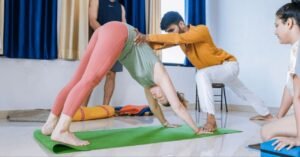

Prone poses are derived with the belly or torso either against or facing the floor. Backbends constitute most of the prone yoga poses which develop energy to the body. Also, it relieves the kidneys, heart and lungs. The Belly down positions also open the chest and strengthen the core body in low back, abs, and gluteal muscles. Prone yoga poses help strengthen the back and improve posture by practicing asanas while lying on the stomach.
Prone postures are easy to learn, but might be extremely difficult to maintain over a long period of time. There are also common yoga positions such as Cobra, Up Dog and Bow pose. They are generally practiced in the course of an asana session. What is prone bone position refers to the body alignment when a person lies flat on the belly with the spine facing upward.
The prone postures are of special energy and predetermined according to some purpose that also influences the body and mind. This post will be aimed at instructing you on the advantages of the prone posture, and proper integration of the prone pose with your yoga work.
What is a Prone Position?
Any yoga posture where a person is lying face-down with his back to the ground is called the prone pose. These poses are referred to as “Bhujangasana” (cobra pose) or Salabhasana (locust pose) among others, in the Sanskrit language.
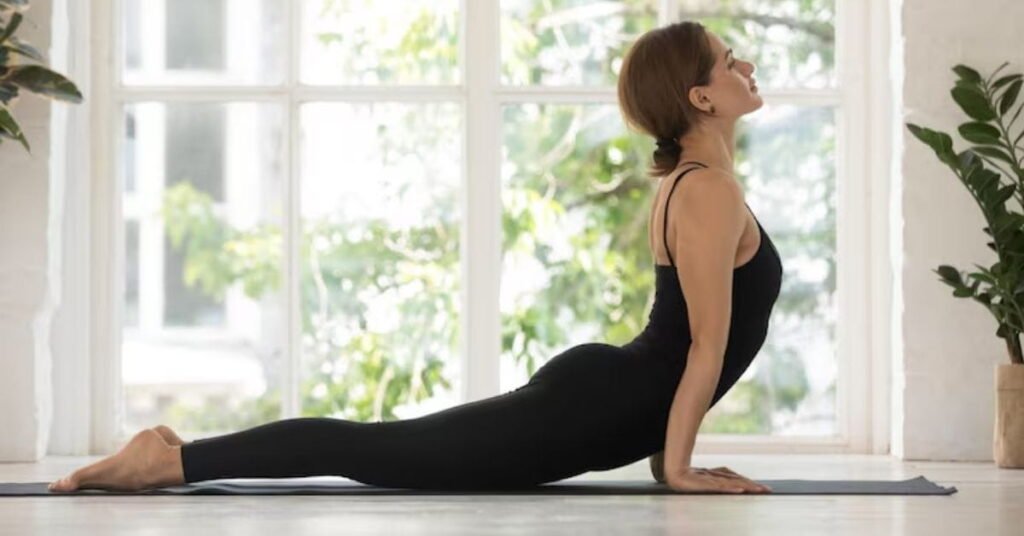
The weight of the body is placed on the abdomen, chest, and thighs, which provides the sense of the grounded feeling. Depending on the variation done, this can be an energy giving and a calmed down position.
What are the Different Forms of Prone Yoga?
There are different forms of prone yoga position including:-

- Cobra Pose (Bhujangasana): This is a pose that is concentrated on the spine and the heart opening the back muscles in the process.
- Sphinx Pose: This comes as a less vigorous version of the cobra, and it is very soothing, yet not overly stretching.
- Locust Pose (Salabhasana): becomes the strongest in the lower back, hamstrings and glutes.
- Superman Pose: Extends the body and involves the core while extending the limbs widely as in flying. Prone body position places the chest and stomach on the floor, supporting spinal extension movements.
Read Also:- Yoga Teacher Courses in Thailand
Advantages of Prone Pose
The prone pose is not just a relaxation pose. It has a number of physical advantages that have the potential to enhance elasticity, power, and well-being. The following are some of the usual physical advantages:-
1. Builds the Back and the Core
The core muscles and lower back are activated when you lie on your back and you raise your chest, or legs, out of the ground. This assists in developing back strength to increase posture and also alleviate back pain. Yoga poses on belly are ideal for improving flexibility and core strength.
2. Enhances Flexibility
Prone stretches the abdominal muscles, chest and shoulders. With time, these stretches enhance the flexibility, and the body becomes opened and the movement is facilitated.
3. Activates Tissues of the Digestive System
The abdominal pressure of prone positions rubs the abdominal organs. This enhances digestion and may help in relieving bloating, constipation and other digestive complications.
4. Endorses Relaxation and Stress Relief
Certain prone poses like the Sphinx pose are relaxing and soothing. They are known to slow the breathing rate, calm the nervous system and give the feeling of inner tranquility.
5. Aids Physique and Back Prostate
Proning regularly helps to align and make the spine strong. This enhances posture, tension on the upper body and promotes healthy deformities of the spinal curves. Prone asanas include yoga poses performed on the stomach to enhance spinal health and body balance.
How to Practice Prone Pose?
To have a safe and productive practice, especially a novice prone poser, consider the following points:
1. Begin with a Comfortable Ubiquity
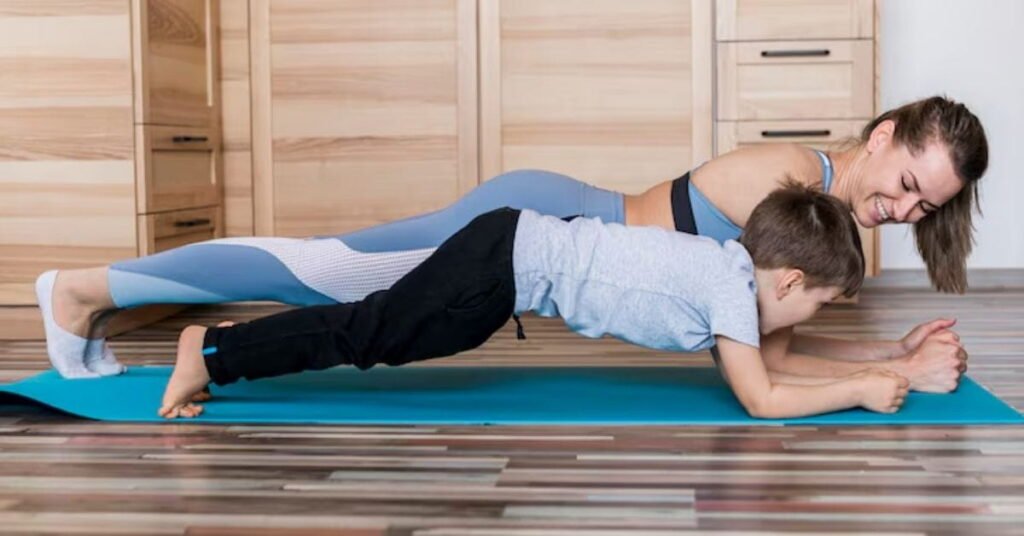
Start by lying on your back with your face on the yoga mat. Make sure that your mat is cushy enough to support your hips, chest and thighs. A folded towel or blanket should be used under sensitive parts in case of necessity.
2. Focus on Alignment
The position of the spine and neck is very important in any type of prone variation. Point your head straight forward making sure that your neck remains parallel to the spine so as to avoid unnecessary strain.
3. Engage Your Core
This yoga helps in strengthening your chest, legs, or both feet off the floor. Overall, it works on harnessing your core muscles. This will aid in supporting the back of your lower part, and you will be using the correct parts of muscles.
4. Mind Your Breath
When performing prone poses, slow steady breathing is a necessity. Breath in when lifting in the position and breathe out when releasing. Such rhythm contributes to the deepening of the stretch and promotes relaxation.
5. Modify for Comfort
In case a prone pose is too intense, then adjust the pose accordingly. E.g. in Sphinx Pose, leave your forearms on the ground rather than raising fully on to Cobra. You have to listen to your body and not have to strain.
Conclusion
Prone pose is a great physical and spiritual energy. This yoga provides a strong sense of connection with the earth whereas the opening of the chest and fortification of the spine is helpful to the body. Using prone posed yoga or spiritual practice with help of poses lets you feel stronger, more stretched, and emotionally stable.
Be it physical perks or quest of inner humility and submission, the prone pose has the basis of end-to-end development. Daily practice of Prone yoga takes you to a higher height of mindfulness, tranquility, and personal responsibility.
Help & Support FAQs
What are prone yoga poses?
Prone yoga are yoga poses that are done on your stomach with the front side of the body resting on the floor. The main strengths of these poses are that they do strengthen the back, enhance flexibility of the spine, and open the chest.
What yoga postures can be referred to as prone poses?
The common prone yoga poses include:
1. Bhujangasana (Cobra Pose)
2. Shalabhasana (Locust Pose)
3. Dhanurasana (Bow Pose)
4. Makarasana (Crocodile Pose)
5. Sphinx Pose
6. Superman Pose
What are the advantages of prone yoga poses?
Prone poses help to:
1. Make the spine and lower back stronger
2. Improve posture
3. Open the chest and shoulders
4. Stimulate digestive organs
5. Alleviate upper-lower back soreness and exhaustion.
Can the prone yoga poses be used by the beginners?
Indeed, a lot of prone poses, including Cobra, Sphinx, and Crocodile are newcomer-friendly. Beginners are expected to do so and not to over-arch the lower back.
Who is not to do prone yoga poses?
Individuals with the following conditions should not practice prone yoga. The considering conditions are:-
1. Recent abdominal surgery
2. Severe lower back injuries
3. Not guided herniated discs (without guidance)
4. Pregnancy (particularly after the first trimester)
Does prone yoga alleviate back pain?
Yes, with proper practice prone poses can be added to make back muscles stronger, and to bring back spinal positioning. It can be beneficial with mild to moderate back pain. Nevertheless, pain aggravates when performed improperly, thus, the technique must be performed correctly.
You May Also Like:-