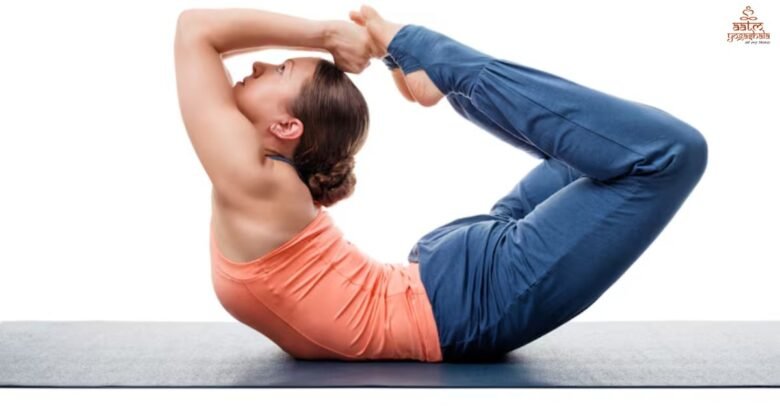
Bow pose yoga is known as Dhanurasana in Sanskrit. But do you know the Dhanurasana definition? It is a term that translates to Dhanu, which means to bow, and asana, which means to posture. The yoga stroke is similar to the bow pulling. It has numerous advantages for your physical and psychological health. Whether you are a seasoned or a beginner, Dhanurasana will enhance your yoga experience and make you feel better in general.
Dhanurasana, or bow posture, is an excellent method of weight loss. It is an essential posture which is included in Hatha yoga. The body takes the shape of bows in this posture. Hence, the name of this pose is Dhanurasana, in Sanskrit. It helps to lose belly fat within a short period of time. Several other variations, like Parsva Dhanurasana and Akarna Dhanurasana benefits are significant.
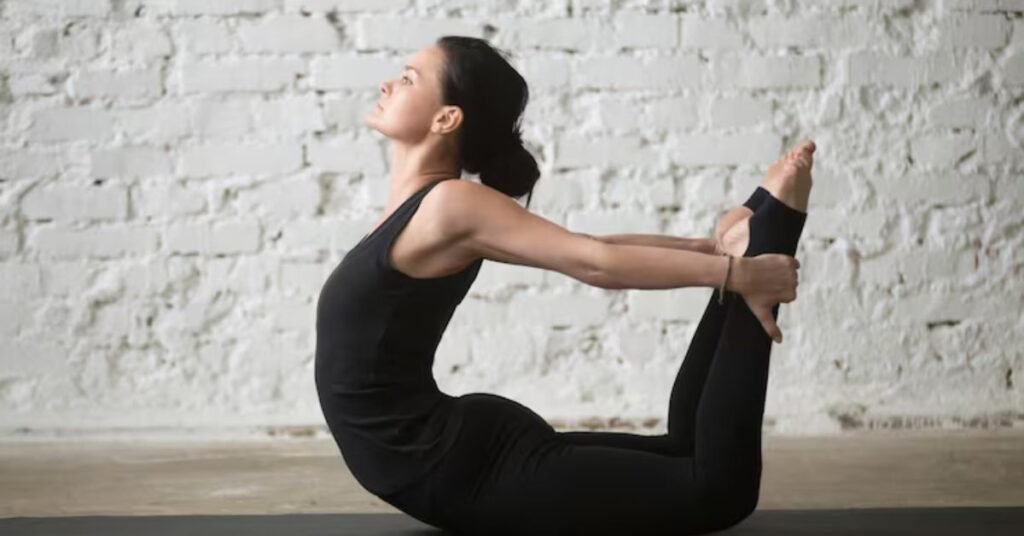
It increases the strength of thighs, ankles, groin, chest, abdominal organs and spinal cord. The bow posture stretches the abdomen, spine, hip flexors, pecs and biceps very well. It is a wonderful posture that bends the back and opens up the whole body. We will discuss the advantages of Dhanurasana and the proper way of performing the posture, the most common errors to be avoided, and basic adjustments to the posture.
What are the Benefits of Dhanurasana?
The multiple Dhanurasana benefits are the following:-
1. Enhances Flexibility and Strength of the Spine-: Dhanurasana is a pose that strengthens and extends your spine. It is also brilliant in remedying an unnatural sitting position, and also helps in alleviating backache that can occur due to prolonged sitting.
2. Opens the Chest and the Shoulders-: This exercise is designed to stretch the shoulders and the chest, which eases the tension and posture. It could be used to relieve stress due to bending over phones and computers.
3. Facilitates Digestion-: Dhanurasana Bow pose yoga may exercise the abdominal organs, and this may result in better digestion. The belly pressure may assist in relieving such problems as constipation and poor digestion.
4. Strengthens Core and Legs-: Bow posture yoga helps make your abdominal muscles tighter, as well as strengthens your hamstrings and thighs. It is an exercise involving the whole body and stretching of all major groups of muscles.
5. Improves Blood Flow-: Dhanurasana improves blood flow throughout your body, allowing oxygen and nutrients to reach all parts of your body. This increases energy and reduces fatigue.
6. Reduces Stress and Anxiety-: The chest opening element of this pose may assist one in releasing negative feelings and alleviating anxiety. Dhanurasana yoga will make you feel lighter and more energetic.
7. Supports Back Health-: It is one of the best Bow Pose benefits for female. Bow Pose stretches, flexes, and stretches the spine and is useful in relieving back pain, especially when that pain is a result of not exercising enough.
8. Useful in the treatment of diabetes-: Bow Pose (Dhanurasana) can be helpful in the treatment of individuals with diabetes by enhancing the pancreas and raising the insulin production, which helps to maintain the level of blood glucose.
The pose also rubs the stomach organs and enhances digestion and metabolism. Regular practice of the Bow Pose enhances the circulation of blood, eliminates stress and helps maintain hormonal balance. Reduction of stress is espoused, especially in blood sugar management.
Also Go Through:- 100 Hour Yoga Teacher Training in Rishikesh
How to Do Bow Pose?: Step By Step Guide
- Lie on your belly, with your hands alongside, palms up.
- Bend and hold your ankles outside with your hands.
- Remain down on your pubic bone, pull your lower belly in and up.
- Breathing in, raise your chest and ankle-thigh up and down.
- Draw your shoulder bones downwards and towards one another to open your chest.
- Stay for a few breaths.
- Breathe out, roll off your ankles and rest a few breaths on your back in a lying position.
- You can perform a counter pose, which is Balasana (Child pose). Stay here for 5 breaths.
Bow Pose Common Mistakes to Avoid
Bow Pose might seem simple, but it is possible to make mistakes in case you hurry or are not concentrating on your pose. These are some of the things that should be considered in order to make the practice safe. You can explore important dhanurasana contraindications to ensure safe practice.
- Holding Your Breath: It will not be unusual to find individuals who fail to breathe in this pose. Taking deep breaths will loosen your muscles and enhance the circulation of oxygen within your body.
- Draped over the Lower Back: Do not press on your lower back too hard. Engage the muscles in your back and spread the strain over your back. When you feel pain in the back region, then it is evident that your spine is not properly aligned.
- Knees Too Wide Apart: For the posture, your knees should be kept at the hip-width. The instability of the knees will decrease the effectiveness of the stretch and make the injury more likely.
- Gripping Toes, Not Ankles: The stress of the weight of your toes might cause stress on the joints of your feet. Always remember to take your ankles, or shins or your shins to get more balance and control.
- Forcing the Stretch: Do not overstrain oneself in the position. It may be because of injuring yourself through overstretching. Patience, you must be patient as you settle into position and consider the weaknesses of your body.
Final Thoughts
Dhanurasana, also referred to as the bow pose in yoga, has numerous physical, mental, and emotional health benefits. The bow pose has many health advantages that render it an important element of yoga. This yoga strengthens, builds flexibility and balance, as well as improves mental and spiritual health.
Dhanurasana can be modified to meet personal skills and objectives, whether you are a new yoga practitioner or an experienced one. To begin, it would be best to be guided by a qualified instructor to achieve the best outcome. Our experienced yoga instructors can guide you to the best in this regard.
Quick Answers to Your Queries
Does Dhanurasana have any variations?
There exist four variants of Dhanurasana are 1- One-Legged Bow Pose (Eka Pada Dhanurasana), 2- Saral Dhanurasana (Easy Bow Pose), 3- Ardha Dhanurasana (Half Bow Pose), 4- Purna Dhanurasana (Full Bow Pose)
Should Dhanurasana be practised by pregnant women?
The bow pose should not be performed when one is pregnant. Later on, particularly in the later trimester, when it entails lying on the belly and intense back bending, that might be the reason for Miscarriage.
What muscles are the ones that are stretched in Dhanurasana?
The poses make your anterior deltoid, pectoralis major, rectus abdominis, front of your hips (hip flexors), and front of your thighs (quadriceps) stretch.
What are the muscles that are strengthened in Dhanurasana?
Bow Pose makes your erector spinae, hamstrings, and buttocks (glutes) stronger.
What is the counterpose of Dhanurasana?
A good counterpose of Dhanurasana is the child pose (Balasana).
Read Post:-